 11
11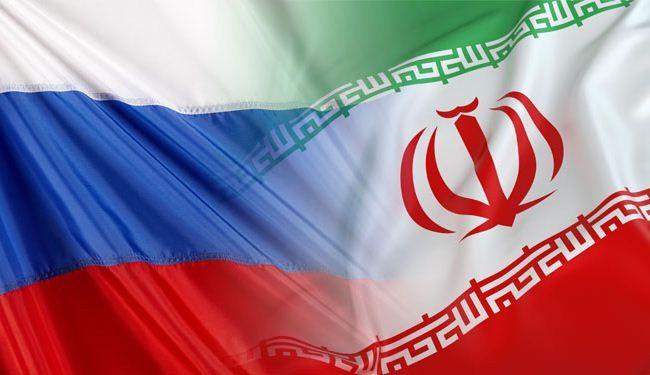
The reported U.S. intelligence investigation into whether Russia may have assisted Iran in targeting covert CIA facilities in the Gulf marks a potentially significant shift in the geopolitical landscape. While officials have emphasized that no definitive conclusions have been reached, the very possibility of Russian involvement raises profound questions about the future of modern conflict and the growing convergence of America’s principal strategic rivals.
If substantiated, such assistance would represent more than routine military cooperation. Russia and Iran have long maintained defense ties, including collaboration on drones, missiles, and sanctions evasion. However, providing intelligence, satellite navigation, or targeting support for attacks on sensitive U.S. intelligence facilities would signal a deeper level of operational coordination, one that blurs the distinction between indirect support and active participation in regional conflicts.
The precision of the reported strikes is central to the investigation. Intelligence officials are examining whether Iran independently identified covert CIA locations or benefited from external technical assistance. Even if the attacks ultimately prove to have been carried out solely by Iranian capabilities, the episode illustrates how advances in drone technology, satellite navigation, and intelligence-sharing have transformed the nature of modern warfare, allowing state actors to threaten highly protected intelligence infrastructure at relatively low cost.
For Washington, the implications extend well beyond the Middle East. A closer Russia-Iran operational partnership would complicate U.S. strategic planning across multiple theaters, linking security challenges in Europe and the Middle East more closely than ever before. It could also accelerate American efforts to strengthen intelligence cooperation with regional allies, invest in counter-drone defenses, and expand cyber and space-based surveillance capabilities.
Yet policymakers should avoid rushing to conclusions. Intelligence investigations require rigorous verification, and premature attribution risks inflaming tensions unnecessarily. History has repeatedly shown that acting on incomplete intelligence can have lasting geopolitical consequences.
Regardless of the investigation’s final outcome, the broader lesson is unmistakable: the lines separating regional conflicts from global strategic competition are becoming increasingly blurred. Military technology, intelligence sharing, and geopolitical partnerships now allow distant powers to influence conflicts far beyond their immediate neighborhoods.
The reported investigation is therefore not merely about identifying who helped target CIA facilities. It is about understanding how great-power competition is evolving into an interconnected security environment where alliances are increasingly defined by shared strategic interests rather than geographic proximity. Managing that reality will require not only military preparedness but also disciplined intelligence analysis, sustained diplomacy, and efforts to prevent regional crises from escalating into wider confrontations.