11
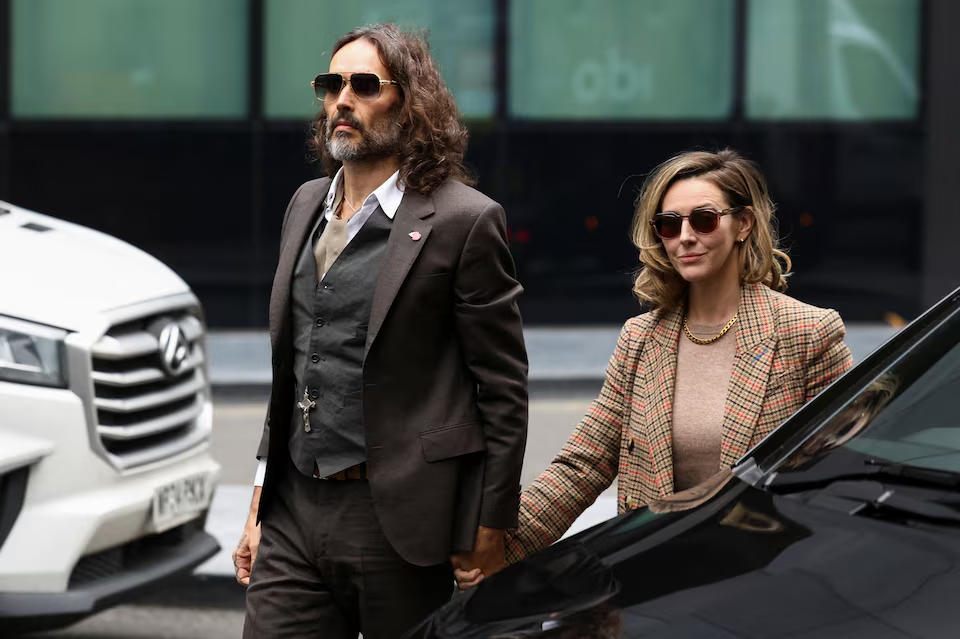
The conviction of Russell Brand for rape and sexual assault has been welcomed as a long-awaited moment of justice. Yet within the British comedy industry, where Brand first built his career, many say the verdict exposes a deeper and more uncomfortable truth: he was far from the only one, and others continue to work unchallenged.
Before the Fame, the Circuit
Before he became a Hollywood star or a conspiracy-minded YouTuber, Brand was a stand-up comedian, taking shows to the Edinburgh Festival and building a following on the comedy circuit. For years, according to many within the industry, it was common knowledge in comedy circles and beyond that he had harmed numerous women.
He has now been found guilty of raping a fan and sexually assaulting three other women, and faces what has been described as a “significant custodial term.” The conviction was made possible by the courage of the four women who came forward. Members of the comedy community, including one prominent female comedian in particular, are understood to have played a role in helping the survivors pursue justice.
A Whisper Network Without a Punchline
For those working in the industry, the case brings into focus a troubling parallel reality. One Bafta-winning comedy writer and performer, whose career has spanned sitcoms, feature films and collaborations with leading directors, has described being drawn into the close orbit of an unusually high number of alleged sexual predators over the years, several of whom are said to still be working.
She recounted withdrawing a project from a production company after learning that a senior executive was widely alleged to have raped a colleague, and alerting another well-known comedian that a celebrated figure they were working with also faced rape allegations. Both conversations, she noted, took place in the same week.
The contrast is stark. On one level, comedy professionals strive to create work that brings joy to audiences. On another, they are quietly passing on warnings about alleged abusers and managing the fallout behind the scenes, time and energy that, particularly for women in the industry, might otherwise be spent writing and performing.
Whether male comedians are statistically more likely to commit sexual offences than men in other professions remains unknown, as no data exists on the question. But the persistence of informal warning systems suggests that the problem is widely recognised within the industry.
Vulnerable Talent, Shrinking Opportunities
Industry insiders warn that young performers, especially women and those from working-class backgrounds, have become more vulnerable as comedy budgets are cut and television commissions dry up. With fewer opportunities available, the power held by gatekeepers has grown.
The same writer has spoken of her regret at introducing a comedy producer to promising new talent, only to learn later that he had allegedly abused them in his flat after offering them accommodation in London for gigs and auditions.
The Limits of the Justice System
Brand’s victims saw the criminal justice system deliver a verdict. For many others, however, cases fail to reach court or collapse into a contest of one account against another, in which the burden of proof weighs heavily against complainants. In this context, informal networks of reporting and intervention remain, for many in the industry, a crucial means of protecting women and vulnerable people.
Within British comedy, it is widely believed that other abusers remain active on sets today and may never face trial. Yet, as those in the industry put it, the community knows who they are, and so do they.
A Missed Chance at Redemption
Brand’s conviction may prevent him from causing further harm, but critics argue that the damage he has done to the culture runs deep. Some had hoped he might confront his conduct, acknowledge the harm he caused and pursue genuine remorse and rehabilitation, sparing the women the ordeal of a criminal trial.
Instead, Brand denied all charges, claimed to be the victim of a media conspiracy and, in recent years, publicly reinvented himself, moving from spiritual wellness figure to professed Christian convert, a transformation his critics regard with deep scepticism. For many in the comedy world, a sincere reckoning with his actions would have been the only performance of his worth watching.