 11
11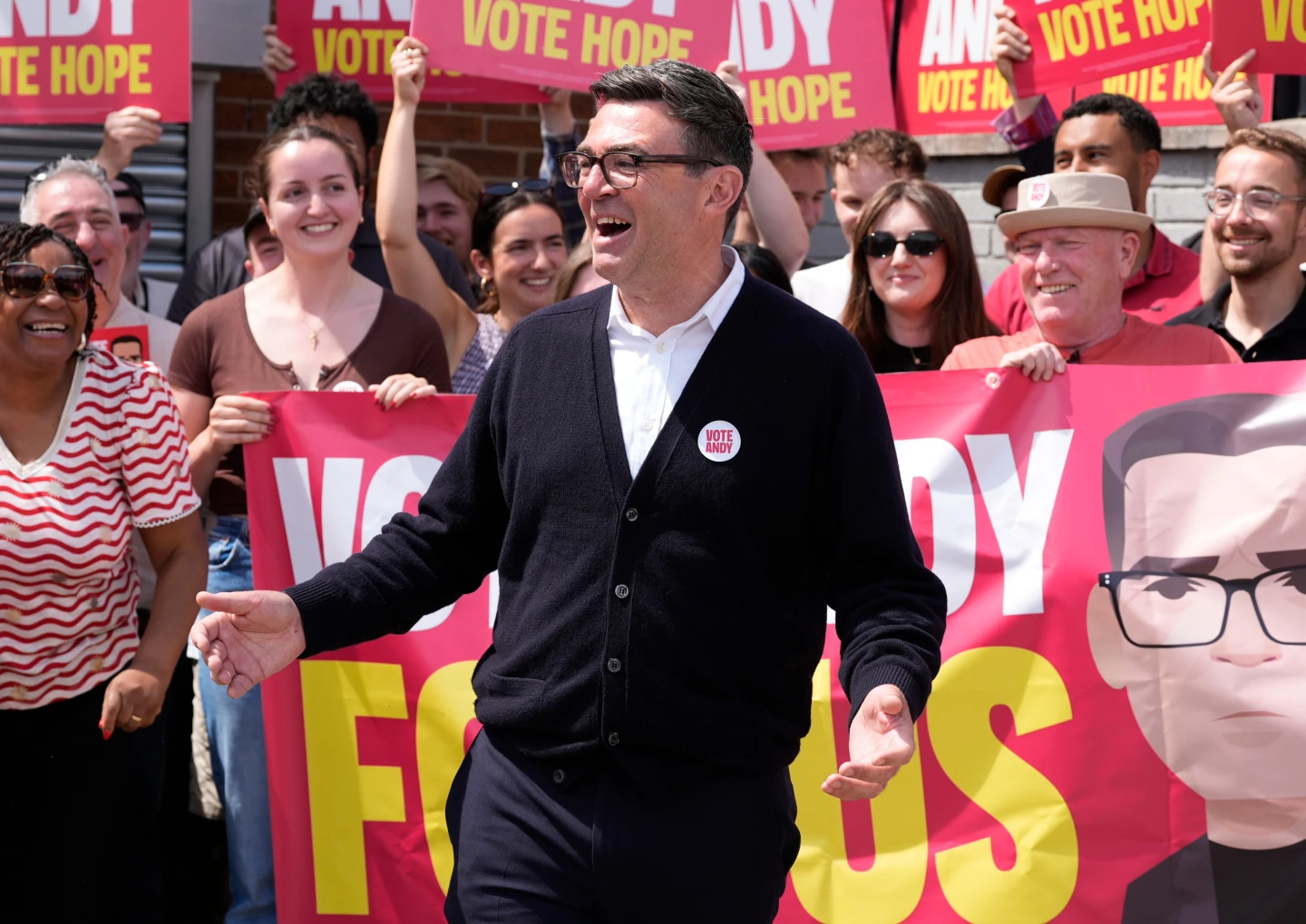
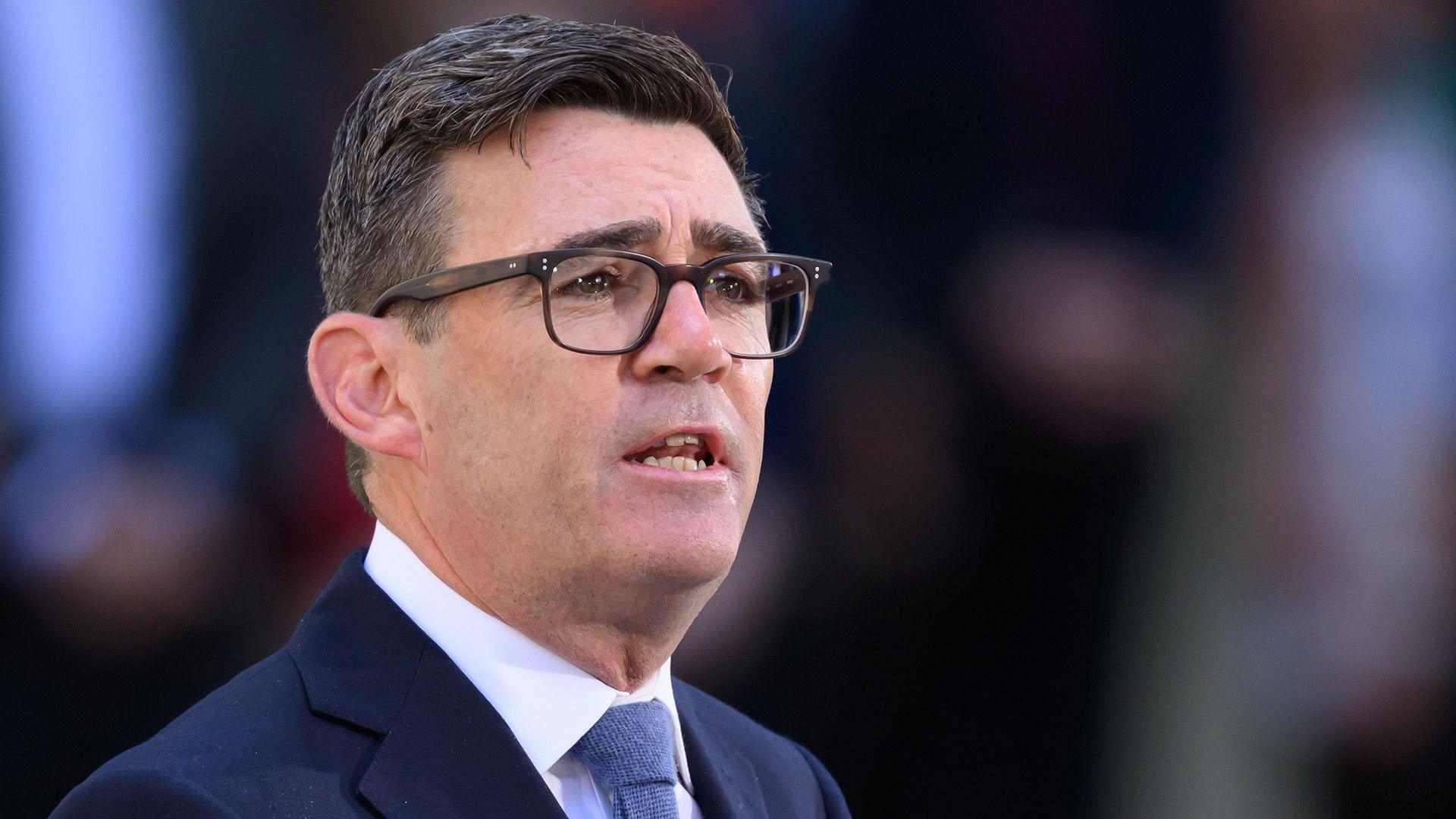
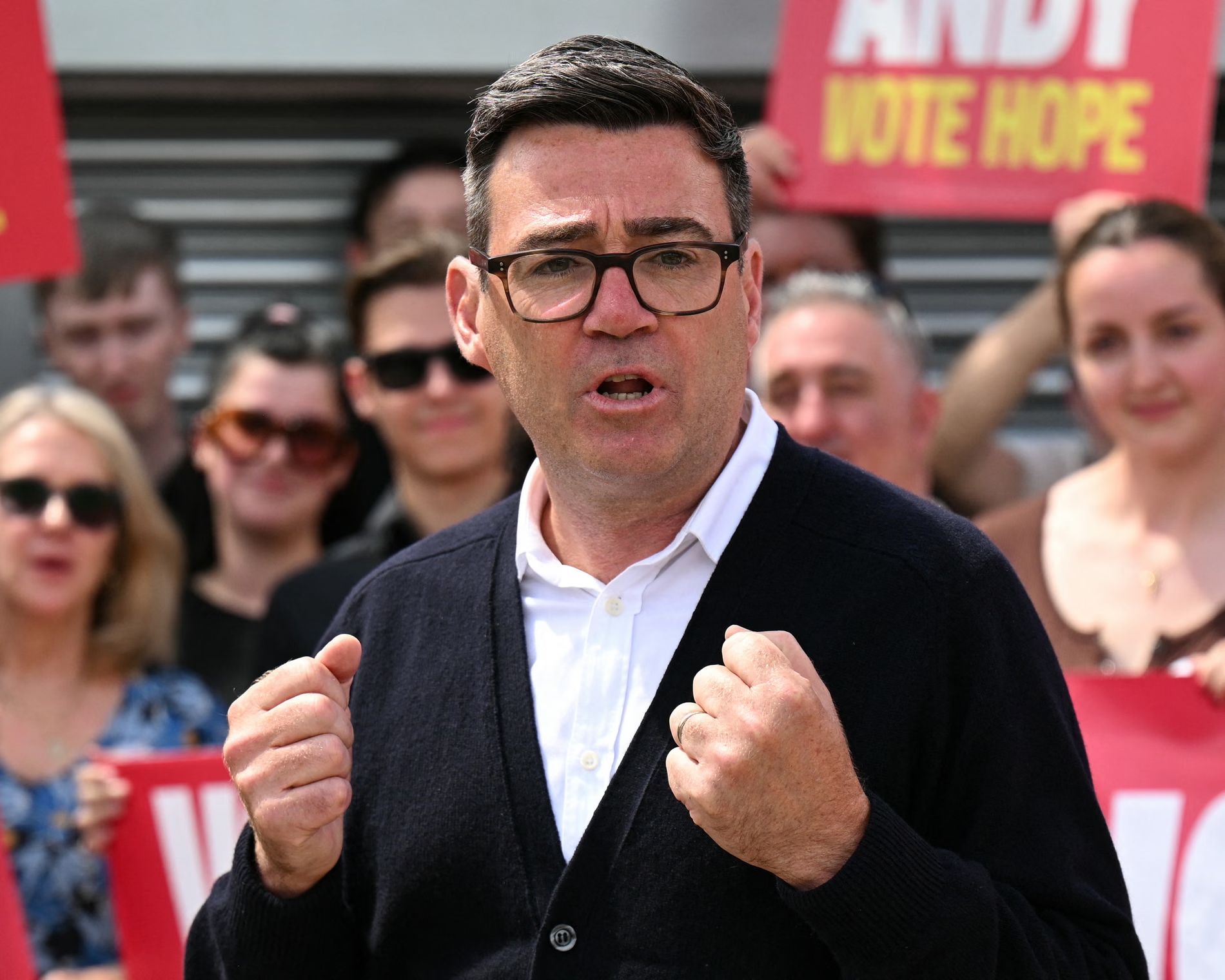
Britain appears to be on the verge of another political transition as Andy Burnham emerges as the overwhelming favorite to succeed Prime Minister Keir Starmer. Yet Burnham’s biggest political challenge may not be winning office—it will be convincing voters that his government represents genuine change while inheriting many of the policies that contributed to Starmer’s declining popularity.
Burnham has carefully cultivated an image distinct from Starmer’s. As the former Mayor of Greater Manchester, he built a reputation for approachable leadership, regional empowerment and practical governance. His popularity stems largely from his hands-on style, particularly during crises such as the COVID-19 pandemic, where he often positioned himself as a defender of local interests against Westminster.
However, political branding alone may not be enough. Labour remains the governing party, and Burnham will inherit an economy marked by sluggish growth, strained public services and persistent cost-of-living pressures. These are the very issues that weakened public confidence in Starmer’s administration.
Burnham is expected to shift Labour’s tone without dramatically abandoning its fiscal framework. Analysts suggest he wants to pursue economic growth while maintaining market confidence—a delicate balance that limits the scope for major spending increases or radical policy departures.
This creates a central dilemma:
This tension is likely to define the early months of his premiership.
One of Burnham’s defining political ideas is greater devolution—giving cities and regions more control over transport, housing, investment and public services.
His supporters argue that Greater Manchester demonstrates how decentralised decision-making can improve economic development and public accountability. Burnham is expected to promote this regional governance model nationally, potentially reshaping the relationship between Westminster and local authorities.
If implemented successfully, this could become the most distinctive feature separating his leadership from Starmer’s.
While Burnham is expected to bring noticeable changes to domestic policy, foreign policy is likely to remain relatively stable.
Reports indicate he intends to maintain Britain’s commitments to NATO, support for Ukraine and existing international alliances. Rather than redefining Britain’s global role, Burnham appears focused on making domestic economic recovery the centrepiece of his government.
Burnham also faces significant political risks.
Conservative opponents and Reform UK are expected to argue that Labour has merely replaced one leader without addressing the structural weaknesses that have affected the government since 2024. Within Labour itself, expectations for meaningful reform will be high, increasing pressure to deliver quick improvements in healthcare, housing, transport and living standards.
Moreover, public patience for political transitions has become increasingly limited after years of leadership changes in British politics.
Andy Burnham enters national leadership with stronger personal popularity than his predecessor and a reputation for pragmatic governance. Yet charisma alone will not determine his success.
His premiership will likely be judged on whether he can transform Labour’s governing approach while preserving economic credibility. If he succeeds in combining fiscal discipline with meaningful decentralisation and improved public services, Burnham could redefine Labour for the next decade. If not, voters may conclude that Britain has witnessed another change of leader without experiencing real political change.