 11
11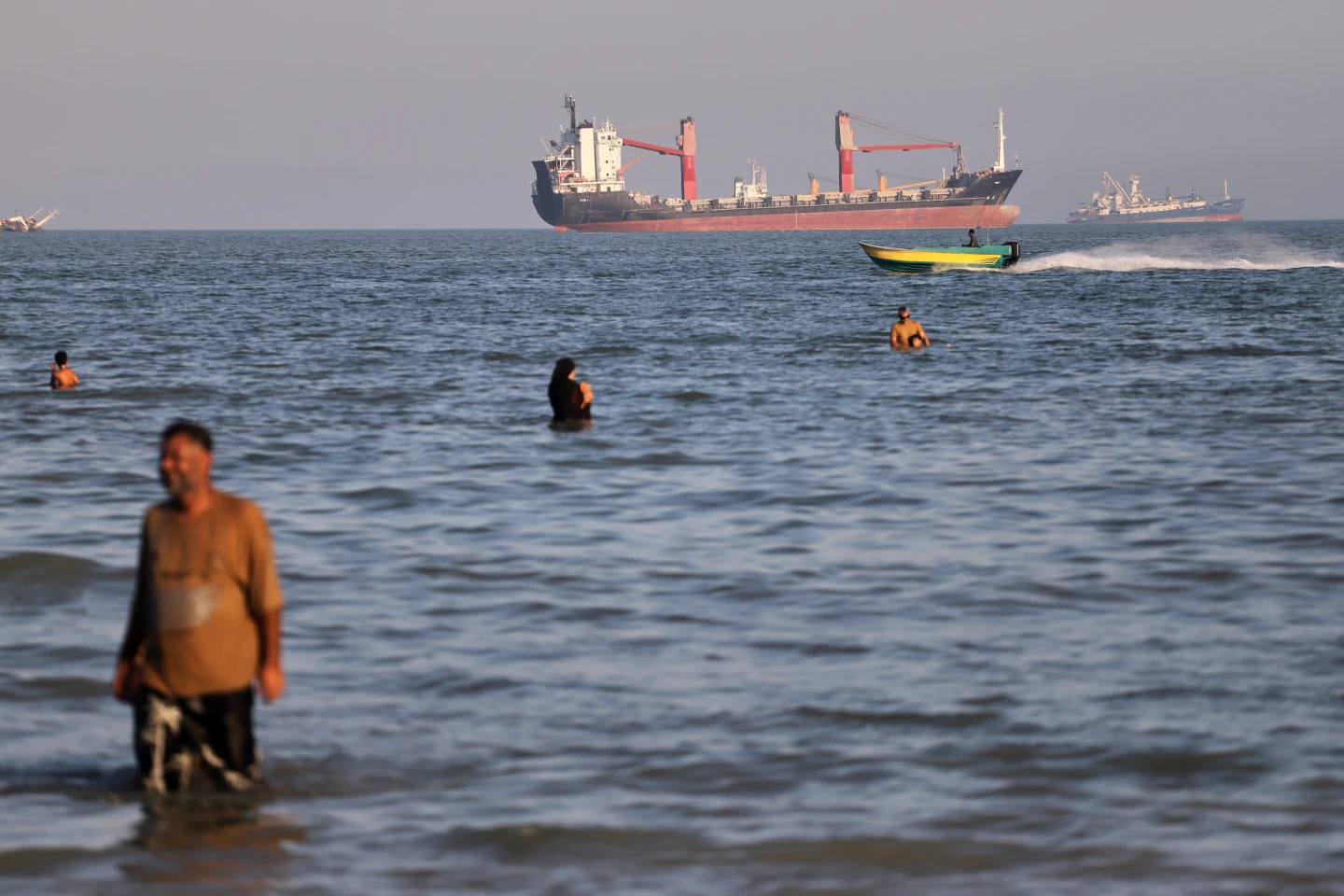
WASHINGTON — The United States launched military strikes against Iranian targets on Friday in retaliation for a drone attack on a cargo ship in the Strait of Hormuz, marking a major escalation that threatens a fragile ceasefire reached just a week ago between Washington and Tehran.
According to U.S. officials, the strikes targeted Iranian missile and drone facilities along the country’s southern coast after Iran allegedly carried out a drone attack on a commercial vessel transiting the strategic waterway. The operation was described as a direct response aimed at protecting international shipping and enforcing the terms of the interim ceasefire.
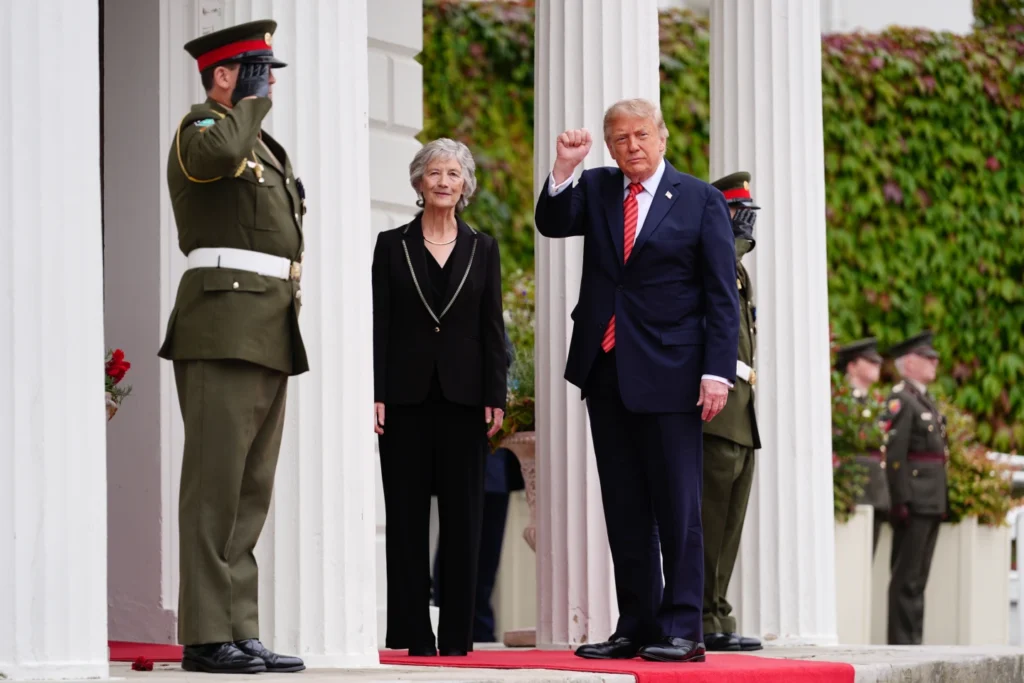
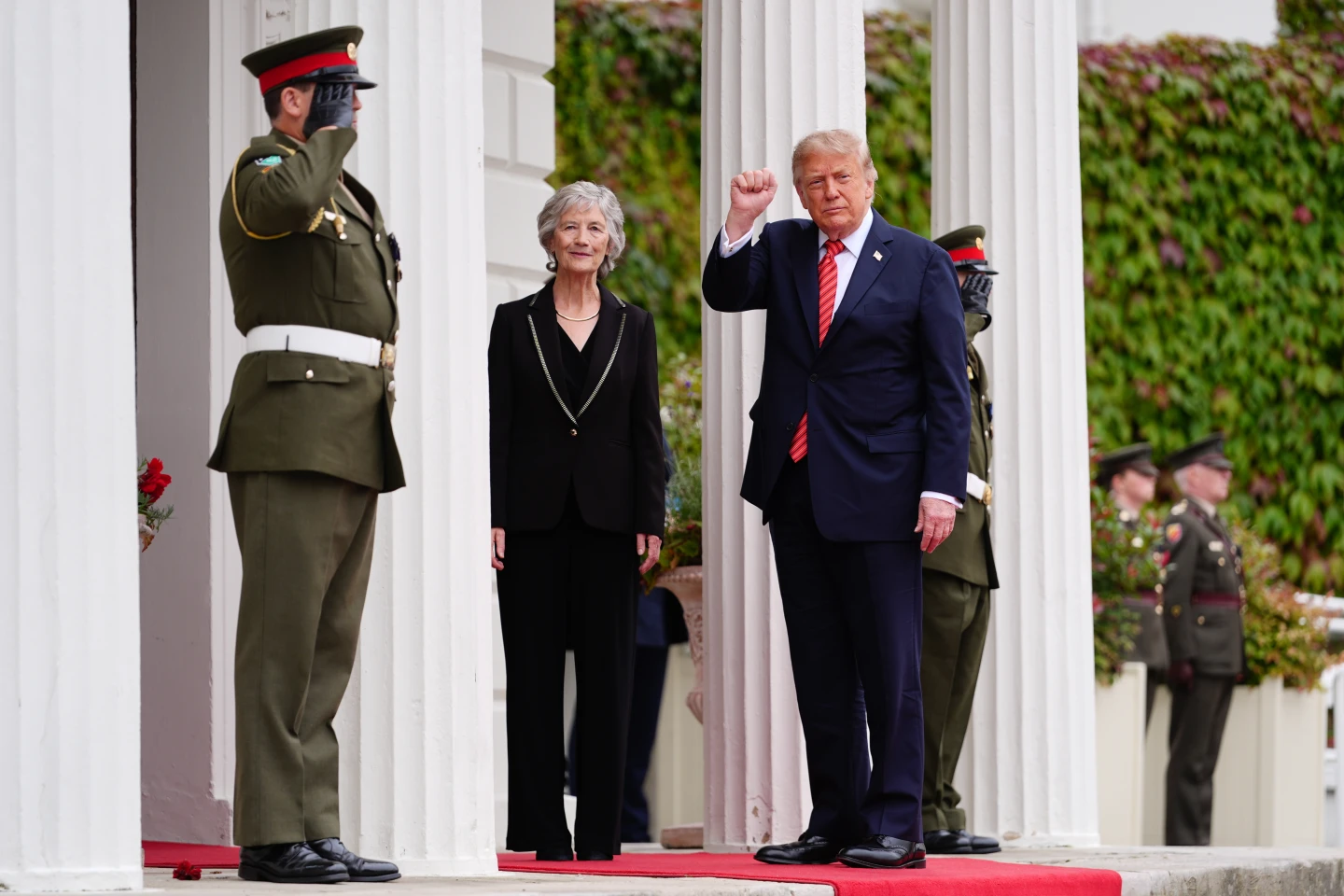
President Donald Trump accused Iran of violating the ceasefire by attacking commercial shipping and warned Tehran that it would face consequences. Speaking to reporters, Trump declined to specify any further U.S. actions, saying only, “You’ll find out.”
Iran, however, rejected the accusation, insisting that its actions were part of what it described as “ceasefire management” rather than a breach of the agreement. Iranian officials warned that any further military action by the United States could trigger additional retaliation.
The latest confrontation has intensified concerns over security in the Strait of Hormuz, one of the world’s most critical maritime trade routes. The attack disrupted shipping operations and prompted international maritime authorities to suspend efforts to move stranded vessels through the waterway. Hundreds of ships remain in the region as shipping companies continue to assess security risks.
The renewed hostilities also cast uncertainty over ongoing negotiations intended to end months of conflict between the United States and Iran, including discussions on reopening the Strait of Hormuz and addressing Tehran’s nuclear programme. Analysts warn that the latest exchange of strikes could further undermine diplomatic efforts and increase volatility in global energy markets.