 111
111 2
2 3
3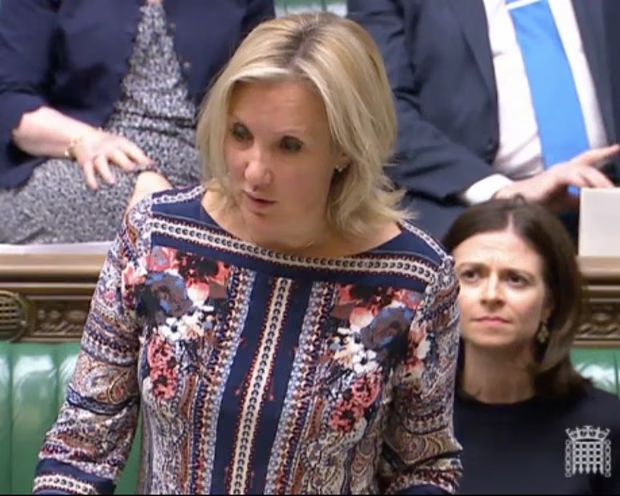
LONDON: A controversy over alleged institutional bias at the British Broadcasting Corporation (BBC) has taken a new and unusual turn after a disputed opinion article—attributed to a senior UK politician—was found to have not been written or approved by her, deepening confusion around the already politically charged debate.
The crisis initially escalated following accusations of bias by former external adviser Michael Prescott, which ultimately led to the resignation of BBC Director General Tim Davie and Head of News Deborah Turness amid mounting pressure over editorial standards and impartiality concerns.
At the height of the fallout, Conservative MP Caroline Dinenage—who chairs the House of Commons Culture, Media and Sport Committee—was quoted in an article published on ConservativeHome that strongly criticised the BBC, alleging “institutional bias within BBC News and current affairs” and “deep anti-Israel bias.”
However, Dinenage later told the BeebWatch podcast, hosted by former BBC presenter Roger Bolton, that neither she nor her office had authored the piece, and that it did not accurately reflect her views. The podcast said the disputed section was subsequently removed prior to publication.
ConservativeHome, where the article appeared, said it could not verify who originally submitted the piece but maintained it was received through standard processes and published in good faith. The platform added that the article remains online as part of its record.
The confusion has raised broader questions about how opinion content attributed to public figures is drafted, verified, and approved—particularly in cases where media teams or third parties may prepare statements on their behalf before publication.
Bolton described the situation as “a rum affair,” noting that the authenticity of the article remains unresolved. He said the episode highlights two possible scenarios: either the MP or her office authored or approved the piece, or it was submitted by an impersonator.
The incident adds another layer to an already sensitive debate over BBC impartiality, which has become a focal point in UK media and political discourse following recent leadership upheaval and sustained scrutiny over editorial decisions.