 11
11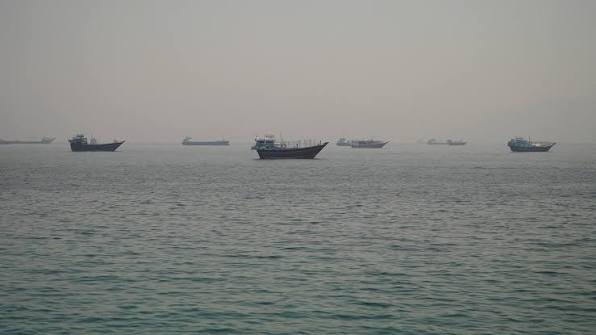
Iran’s ability to restrict maritime traffic through the Strait of Hormuz appears to be weakening, while mounting U.S.-led pressure and shifting shipping behavior are gradually restoring limited oil flows through one of the world’s most critical energy chokepoints.
The Strait of Hormuz—through which nearly one-fifth of global oil and gas supplies once passed—was heavily disrupted after Iran intensified attacks on shipping following the outbreak of war in February. Although Iran’s naval capabilities have been significantly degraded, its earlier threats alone were enough to deter commercial vessels and insurers, effectively choking off key global energy routes and contributing to inflationary pressures worldwide.
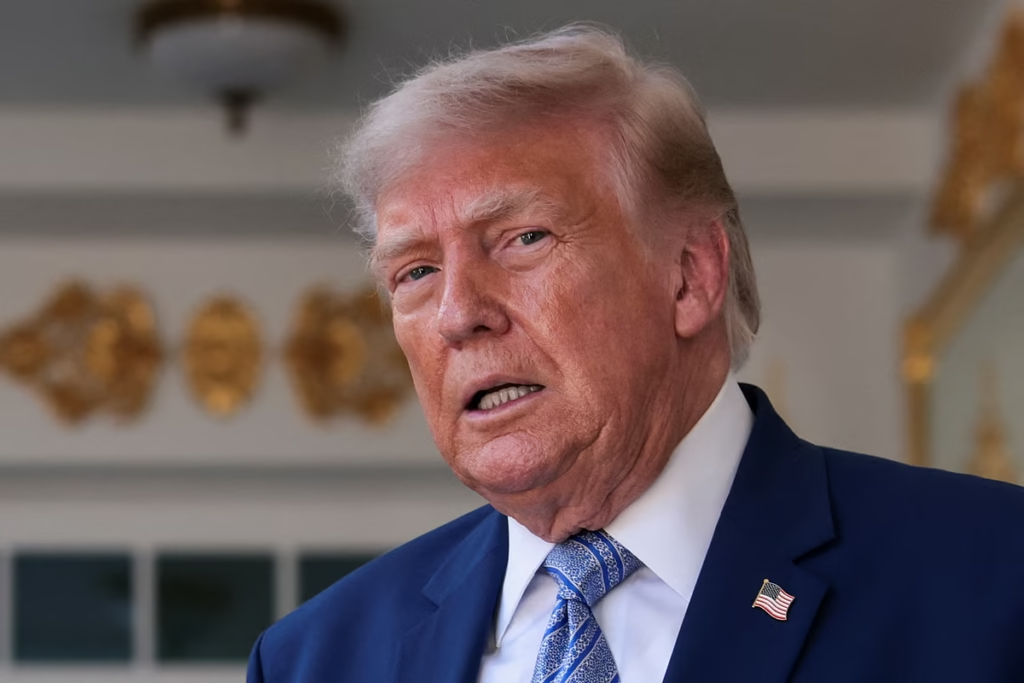
However, recent developments suggest a gradual reopening of maritime traffic. Analysts say increased volumes of Gulf Arab crude are now reaching international markets, supported by a covert U.S.-led maritime security effort aimed at protecting shipping lanes. U.S. President Donald Trump claimed that a “secret mission” has helped move over 100 million barrels of oil through the region in recent weeks.
According to maritime monitoring firms, vessels have increasingly resorted to “going dark”—turning off tracking systems—to pass through high-risk zones undetected. Some Gulf Arab shipments have also reportedly used ship-to-ship transfers in the Gulf of Oman to obscure origins and reduce exposure to Iranian interdiction.
Industry data firm Kpler estimates that roughly 96 million barrels of non-Iranian crude have already left the region since early May, with total volumes likely exceeding 100 million barrels when ongoing shipments are included. Analysts say this is broadly consistent with U.S. claims of a significant rebound in maritime flows.
U.S. forces have also intensified enforcement actions against Iranian-linked shipping, targeting vessels associated with sanctioned oil exports. These operations, described by maritime experts as a “limited overwatch mission” involving drones and aerial escorts, aim to secure passage for commercial tankers while restricting Iran’s ability to generate hard currency through oil sales.
Despite this partial reopening, total throughput remains below historical levels of around 15 million barrels per day, meaning global markets are still absorbing the impact through reserves and alternative supply routes.
Iran, meanwhile, is facing growing economic strain. Iranian President Masoud Pezeshkian acknowledged the severity of the situation, saying the country is operating under sanctions, blocked trade routes, and mounting domestic pressure. “Governing the country is not an easy task under the current circumstances,” he said in a televised address.
The tightening maritime blockade has reportedly forced Iran to store up to 69 million barrels of crude onshore and on tankers near Kharg Island, the highest level since previous sanctions campaigns. Energy analysts warn that production slowdowns at aging oil fields could lead to long-term damage if output is halted for extended periods.
The firm Wood Mackenzie estimates Iran’s oil production has already dropped by around 800,000 barrels per day since the blockade began. Analysts say the resulting fiscal strain is increasing pressure on Tehran to consider diplomatic engagement, even as tensions with the United States and regional rivals continue to fluctuate.
The situation remains volatile, with recent days seeing renewed exchanges involving Iran, Israel, and U.S. forces across multiple fronts. At various points this week, U.S. President Donald Trump issued threats against Iranian oil infrastructure, including Kharg Island, before signaling renewed optimism over potential diplomatic progress.
Iranian officials, however, continue to dispute the legal status of the Strait of Hormuz, with Foreign Minister Abbas Araghchi insisting it is not an international waterway, despite its global strategic importance.
Oil markets have so far avoided extreme price spikes, with benchmark crude remaining below $100 per barrel, supported by strategic reserves, reduced Chinese imports of Iranian oil, and expectations of potential diplomatic breakthroughs. China’s seaborne crude imports from Iran reportedly fell to their lowest level in nearly a decade, further limiting Tehran’s export revenues.
While the partial restoration of shipping offers short-term relief for global energy markets, analysts warn that the situation remains fragile. A sustained reopening of the Strait of Hormuz—or a formal diplomatic resolution—may be necessary to prevent renewed disruption in the months ahead.