 11
11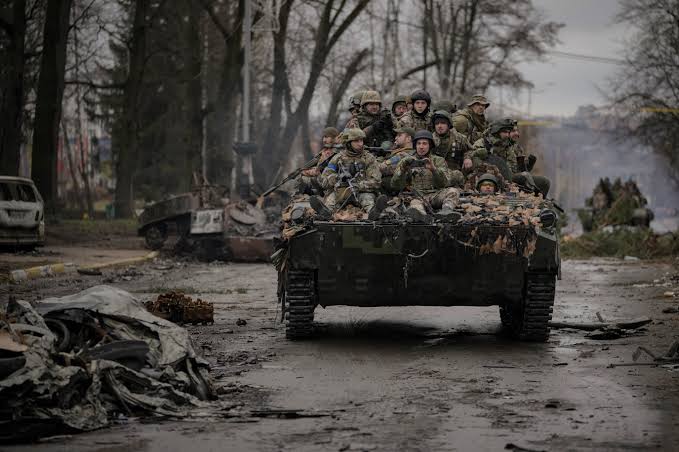
As the war in Ukraine continues, daily news coverage remains dominated by reports of military offensives, territorial gains, weapons deliveries and diplomatic negotiations. While these developments are vital to understanding the conflict, they tell only part of the story. Equally significant are the personal experiences of ordinary Ukrainians whose lives have been irrevocably transformed by war.
Recent reflections on wartime reporting suggest that the true legacy of the conflict may ultimately be found not in battlefield statistics or strategic maps, but in the everyday moments that reveal the resilience, grief and determination of those living through the war. These human stories provide an essential dimension that conventional military reporting often cannot capture.
As the conflict has entered its fifth year, the intensity of fighting remains high, with continued clashes across eastern Ukraine and concerns over renewed Russian military operations. Yet alongside these developments, millions of civilians continue to navigate disrupted lives, displacement, loss and uncertainty. Their experiences illustrate that the consequences of war extend far beyond military objectives and political calculations.
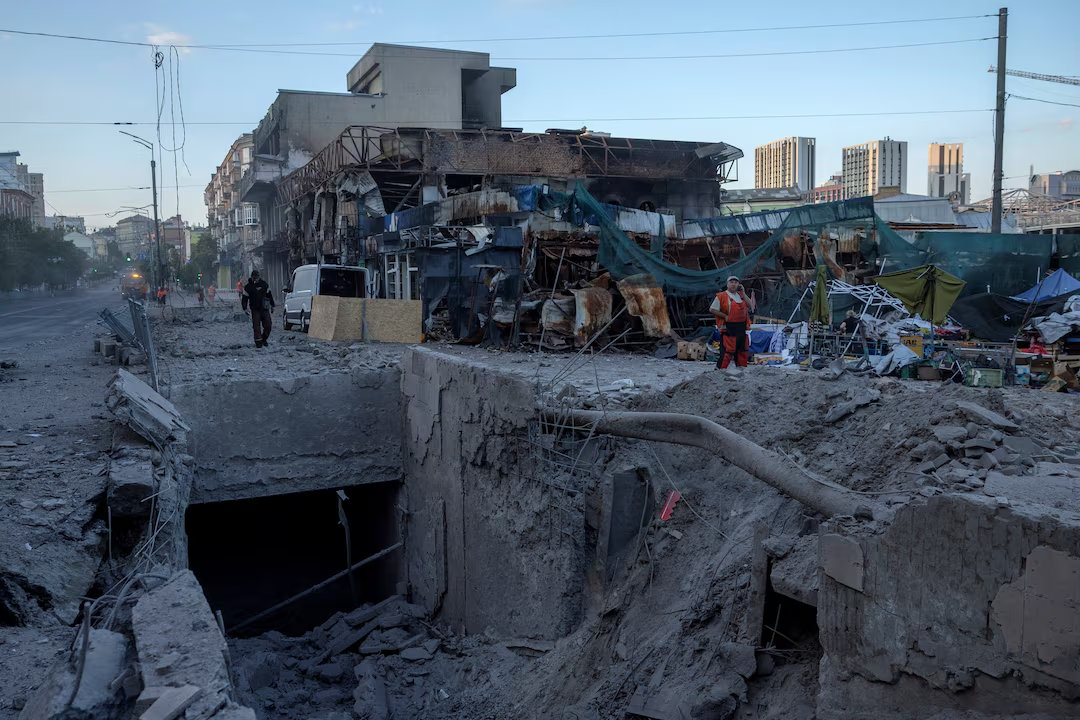
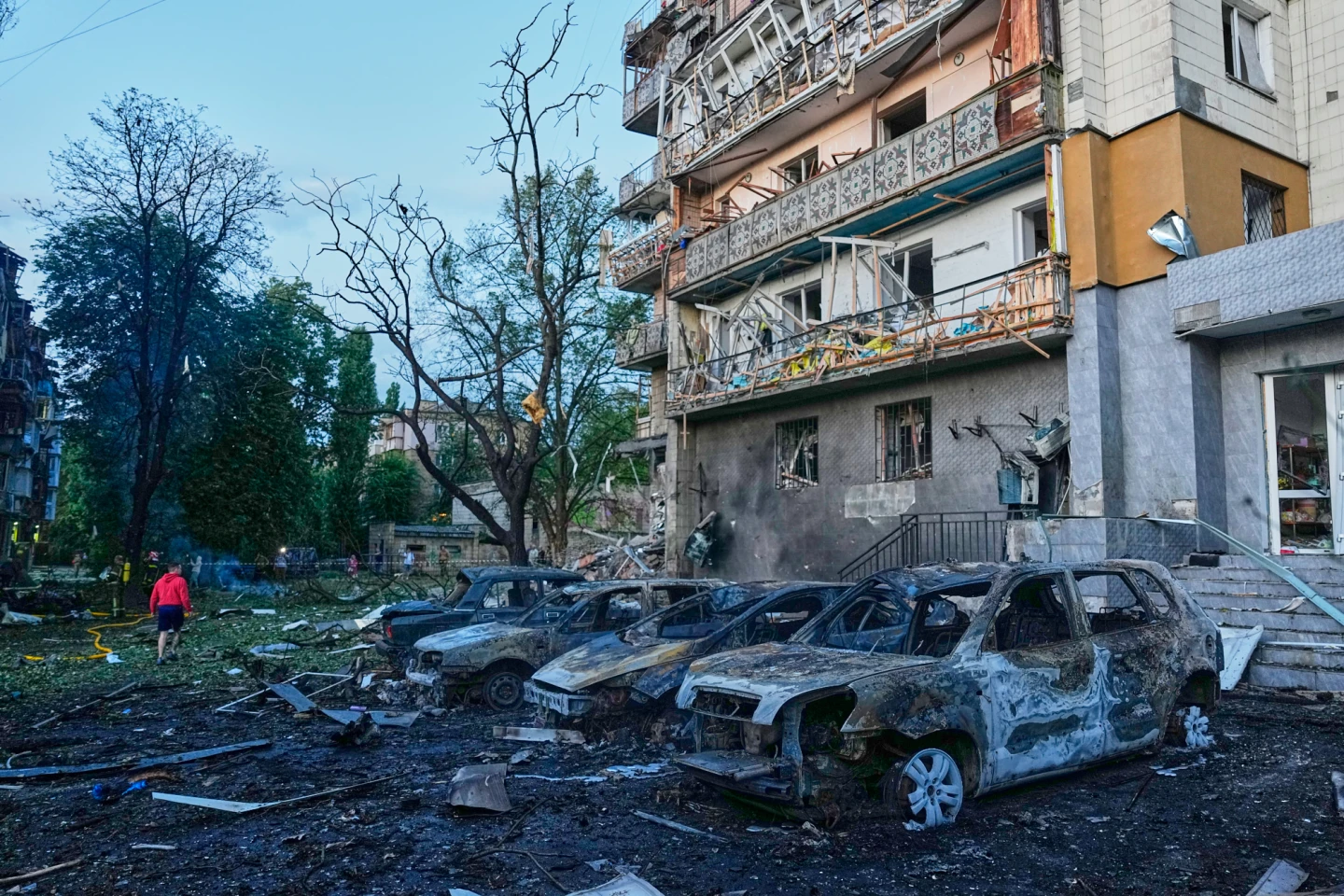
One of the greatest challenges for journalists covering prolonged conflicts is balancing factual reporting with the human realities behind the headlines. While casualty figures and battlefield assessments remain indispensable, they rarely convey the emotional impact of war. Moments such as families separated by evacuation, children adapting to life under the constant threat of missile attacks, or communities rebuilding after destruction offer a deeper understanding of the conflict’s human cost.
These personal narratives also serve an important purpose in sustaining international awareness. As wars continue over several years, global audiences can become desensitized to recurring reports of violence. Stories focusing on individual experiences help maintain public engagement by reminding readers that every military development affects real people whose daily lives have been fundamentally altered.
Ukraine’s writers, artists and photographers have also played a vital role in documenting the conflict. Through literature, photography and other forms of creative expression, they have preserved emotions and experiences that official reports cannot fully capture. Their work creates a lasting historical record of how ordinary citizens endured extraordinary circumstances.
The evolution of modern war reporting increasingly reflects this broader understanding of journalism. Contemporary conflict coverage is no longer limited to documenting military operations; it also seeks to portray the psychological, social and cultural consequences of war. By combining accurate reporting with personal testimony, journalists present a more complete picture of the realities faced by affected populations.
The human dimension of the conflict also carries significant international implications. Public support for humanitarian assistance and continued engagement with Ukraine has been influenced not only by strategic considerations but also by the powerful stories of civilians demonstrating courage and resilience amid ongoing adversity.
Military developments will continue to shape the course of the war, but history often remembers conflicts through the experiences of the people who lived them. Long after battles have ended and political agreements have been reached, the memories preserved by journalists, writers and ordinary citizens are likely to remain the most enduring testimony of Ukraine’s struggle. These stories ensure that the conflict is understood not only as a geopolitical confrontation, but also as a profound human experience marked by sacrifice, resilience and hope.