 111
111 2
2 3
3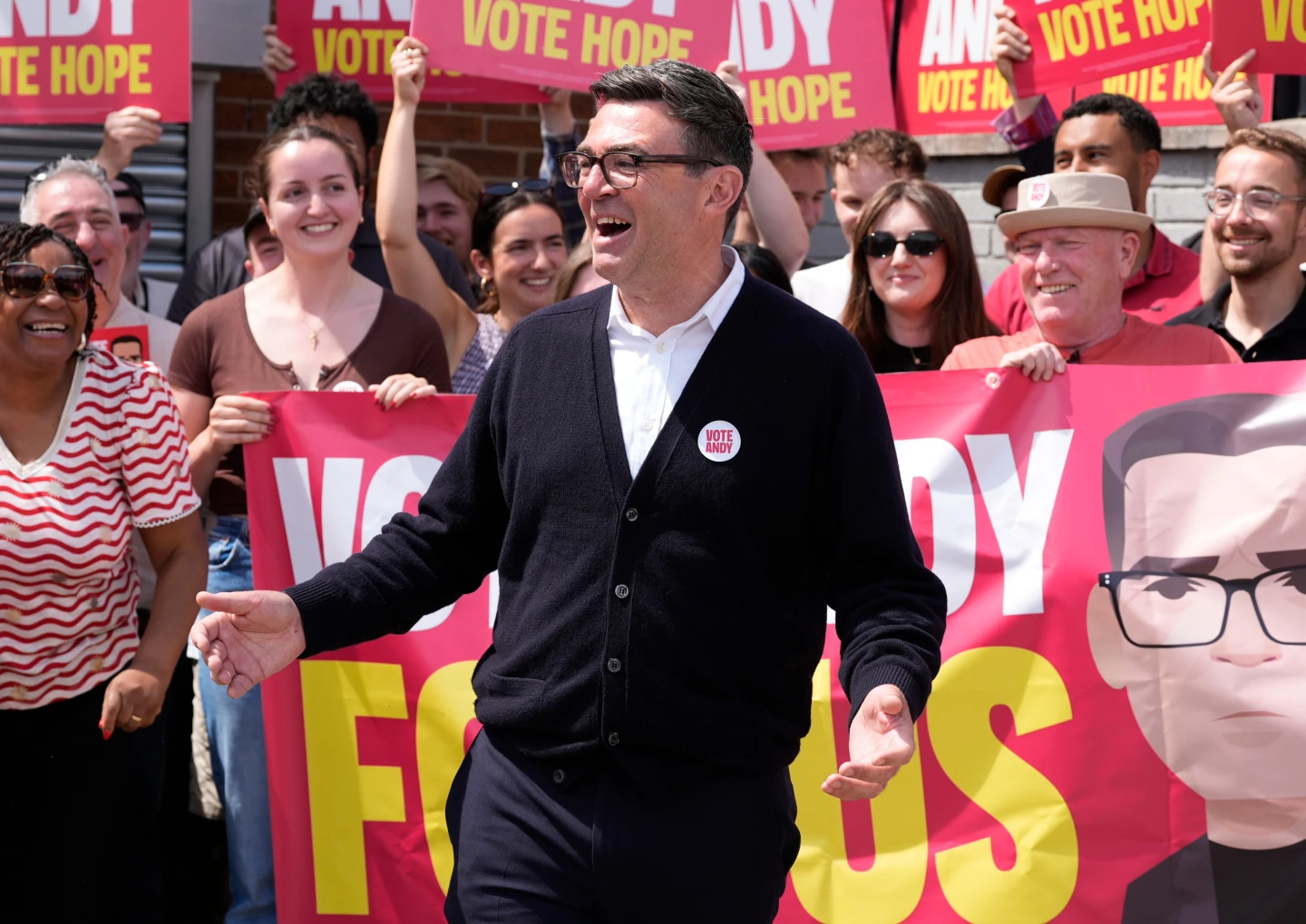
The latest developments in British politics suggest that the United Kingdom is entering a new phase of political competition, with Labour’s leadership transition, Conservative efforts to rebuild under Kemi Badenoch, and Reform UK’s continued influence creating a more fragmented and unpredictable landscape ahead of the next general election.
Andy Burnham’s emergence as Labour’s central figure represents more than a simple change in leadership. Having built a reputation as Mayor of Greater Manchester through policies such as transport reform and regional development, Burnham is seeking to project an optimistic domestic agenda while maintaining Labour’s existing fiscal discipline. His public commitment to largely uphold Labour’s 2024 manifesto indicates that the party is aiming for continuity in economic management while presenting a more positive political narrative than that associated with Keir Starmer’s premiership.
Labour’s immediate challenge, however, extends beyond leadership. The party must restore public confidence after declining approval ratings and demonstrate that a change at the top translates into tangible improvements in living standards, public services and economic growth. Burnham’s emphasis on regional investment, high street regeneration and devolution is designed to reconnect Labour with voters outside London, but success will ultimately depend on delivering measurable policy outcomes rather than simply changing political messaging.
For the Conservatives, the leadership of Kemi Badenoch presents a different set of challenges. While she continues to position the party as the principal opposition to Labour, she must also confront the electoral pressure posed by Nigel Farage and Reform UK. Badenoch has argued that Farage could prove an even more disruptive prime minister than Burnham, reflecting Conservative concerns that divisions within the political right could further weaken their electoral prospects.
Meanwhile, Reform UK remains a significant factor despite reports of internal tensions and speculation surrounding Farage’s future. Even if leadership questions persist, the party continues to influence the national debate on immigration, taxation and public spending, forcing both Labour and the Conservatives to respond to issues that resonate with sections of the electorate.
Public opinion also illustrates the difficulties facing all major parties. Recent polling indicates that neither Labour nor the Conservatives enjoy strong public favourability, while dissatisfaction with established political leadership continues to create opportunities for alternative parties and independent political movements. This environment makes electoral volatility considerably higher than in previous election cycles.
The broader implication is that British politics is evolving from a traditional two-party contest into a more competitive and fragmented system. Labour seeks to consolidate power through renewed leadership and domestic reforms, the Conservatives are attempting to redefine their identity under Badenoch, and Reform UK continues to reshape the debate on the political right. How these competing strategies develop over the coming months is likely to determine not only the next general election but also the future direction of British governance and party politics.