 11
11
BRUSSELS: European Union member states have agreed to formally open accession negotiations with Ukraine and Moldova next week, marking a major step toward potentially expanding the bloc amid ongoing geopolitical tensions with Russia.
Ambassadors from all 27 EU countries decided on Friday to launch the long-awaited membership talks during an intergovernmental conference scheduled for Monday in Luxembourg. The process will officially initiate structured negotiations aimed at eventual EU membership for both countries.
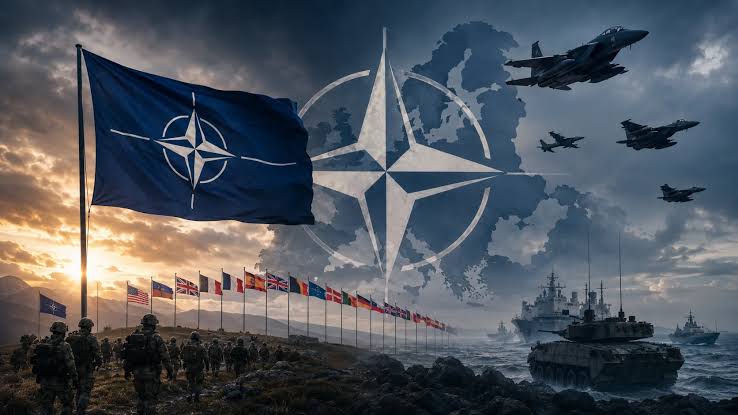
The move comes as Ukraine continues to view EU accession as a key “security guarantee” for its post-war future, following Russia’s full-scale invasion in 2022. While NATO membership is considered a stronger security framework by Kyiv, political divisions among allies and firm opposition from Moscow have complicated that path.
EU leaders welcomed the decision as a strategic milestone. European Council President António Costa and European Commission President Ursula von der Leyen described the accession talks as “a recognition of the determination, courage and hard work” of both Ukraine and Moldova, calling it a step that reinforces “peace, security and prosperity across our continent.”
Ukraine applied for EU membership shortly after Russia’s invasion in February 2022, and has since implemented wartime reforms praised by the European Commission, although concerns remain over corruption and judicial standards. The accession process requires unanimous agreement among EU members at each stage and is divided into 35 policy chapters covering areas such as agriculture, governance, and trade.
The initiative also comes amid renewed debate within the EU over faster integration models. German Chancellor Friedrich Merz has proposed an “associate membership” framework that would grant Ukraine participation in EU discussions without voting rights, while countries such as France and the Netherlands have also explored interim arrangements to accelerate integration.
Hungary has previously blocked the formal opening of negotiations, though recent political shifts in Budapest have softened resistance, raising expectations that the process may now move forward more smoothly.
The broader geopolitical context remains complex, with ongoing war in Ukraine and stalled international diplomatic efforts involving Vladimir Putin. EU officials say the accession talks signal a long-term commitment to stabilizing the region and strengthening the bloc’s strategic influence.