 111
111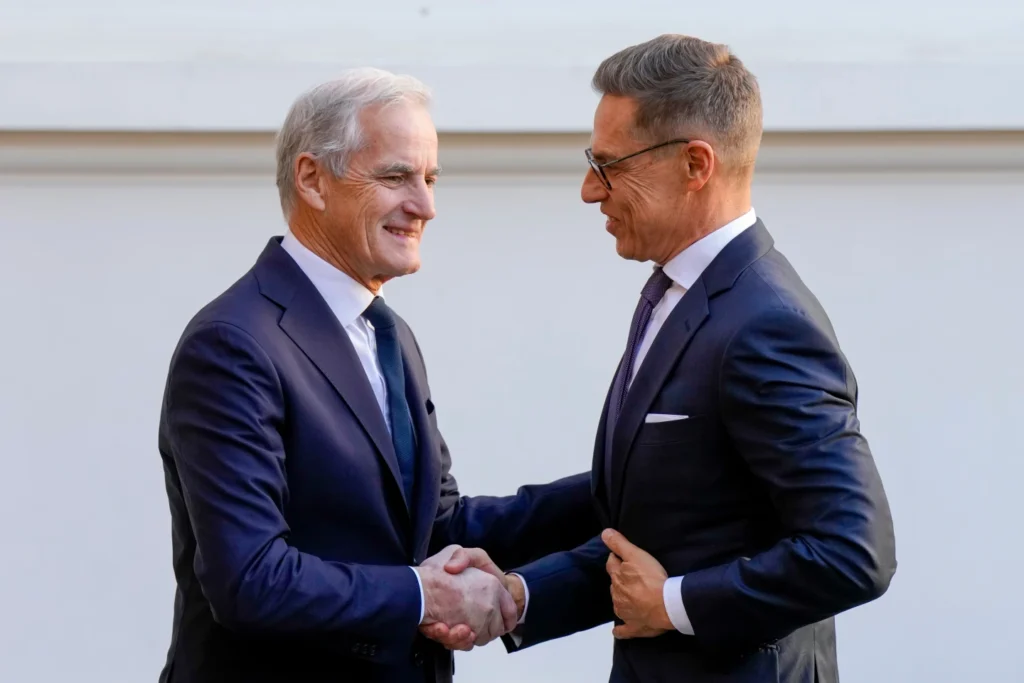 2
2 3
3
TIVAT: Leaders from across the European Union and the Western Balkans gathered on Friday in Montenegro for a high-level summit focused on EU enlargement, regional stability, and countering growing geopolitical influence from Russia and China.
The EU-Western Balkans summit, held in the coastal town of Tivat, brought together senior European officials including French President Emmanuel Macron, German Chancellor Friedrich Merz, Italian Prime Minister Giorgia Meloni, and European Commission President Ursula von der Leyen, alongside leaders of EU candidate countries in the Balkans.
EU Council President António Costa, who hosted the summit, emphasized that enlargement has become a “geostrategic necessity” amid rising global instability, ongoing conflicts in Ukraine and the Middle East, and concerns over hybrid threats to Europe’s security.
A central focus of the discussions was Montenegro’s EU accession process. The European Union has reportedly established a working group to prepare an accession treaty for the country, signaling significant progress toward membership. Montenegro, which joined NATO in 2017 and is a frontrunner among Western Balkan candidates, has set an ambitious target of joining the EU by 2028 under its “28 by 28” initiative.
Montenegro, a small Adriatic nation with a population of around 623,000, marked the 20th anniversary of its independence from Serbia this week. It is currently engaged in extensive reforms required for EU membership, including judicial reform, anti-corruption measures, and alignment with EU standards across 35 policy chapters.
The summit also addressed broader EU enlargement strategy, particularly in light of rising economic competition with China, migration pressures, and security concerns linked to Russia’s ongoing war in Ukraine. EU leaders reiterated that expansion into the Western Balkans is both an economic opportunity and a strategic imperative.
However, officials also discussed introducing stricter safeguards for future members to ensure compliance with EU democratic norms. The proposal follows concerns over past rule-of-law challenges within the bloc, including tensions during the leadership of Hungary’s former prime minister Viktor Orbán, whose tenure raised debates over democratic backsliding and the use of veto powers within EU institutions.
European leaders emphasized that future enlargement must be accompanied by stronger enforcement mechanisms, including potential financial penalties or restricted access to the single market for countries that fail to uphold EU standards.
Regional leaders, including Serbian President Aleksandar Vučić, also participated in discussions as part of broader engagement with candidate countries such as Albania, Bosnia and Herzegovina, Serbia, Kosovo, and North Macedonia.
Other aspiring members, including Ukraine and Moldova, remain under consideration, while Iceland is expected to hold a referendum on its EU aspirations in August.
Officials at the summit indicated growing momentum toward accelerating accession pathways, particularly for Western Balkan states that have already made significant progress in aligning with EU requirements.
The summit concluded with renewed commitments to deepen cooperation, strengthen institutional reforms, and advance the long-term goal of a more integrated and secure European continent.