 11
11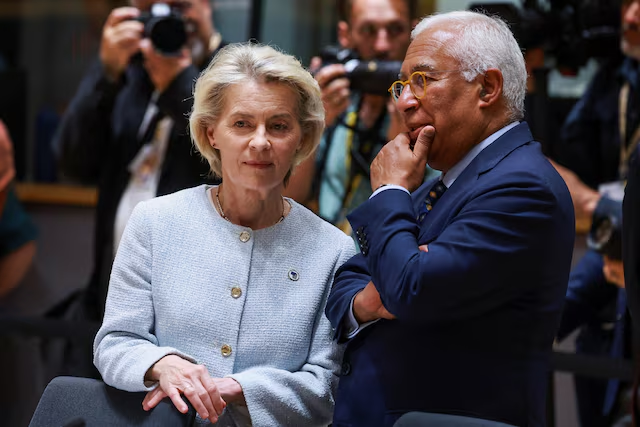
BRUSSELS — Several European Union leaders have expressed caution over proposals to reopen political dialogue with Russia, underscoring deep divisions within the bloc over how to manage relations with Moscow as the war in Ukraine continues.
According to discussions at an EU leaders’ summit, some member states argued that there is little justification for rushing into talks with Russia, noting that Moscow has not demonstrated clear willingness to engage in meaningful peace negotiations. Officials said any future contact should depend on stronger signals from the Kremlin indicating readiness for a ceasefire or diplomatic settlement.
The debate follows recent limited diplomatic outreach initiated by the office of European Council President António Costa, which involved brief, low-level contacts with Russian counterparts aimed at re-establishing communication channels. EU officials clarified that these exchanges were procedural in nature and did not involve substantive negotiations.
The issue has exposed contrasting approaches within the EU. Countries including Latvia, Lithuania, and the Netherlands have taken a firm stance against premature talks, arguing that Russia has shown no credible intent to negotiate peace and that engagement could weaken pressure on Moscow.
In contrast, some member states have supported maintaining or reopening communication channels, suggesting that diplomatic isolation alone may limit Europe’s influence in any future settlement process.
The disagreement highlights a broader strategic dilemma facing the EU: whether to maintain strict isolation and sanctions pressure on Russia or to cautiously reintroduce diplomatic contact to avoid being sidelined in eventual negotiations.
Despite the debate over dialogue, EU leaders remain united in their continued support for Ukraine. The bloc recently agreed to extend sanctions on Russia for another 12 months, reinforcing its long-term pressure strategy on the Kremlin.
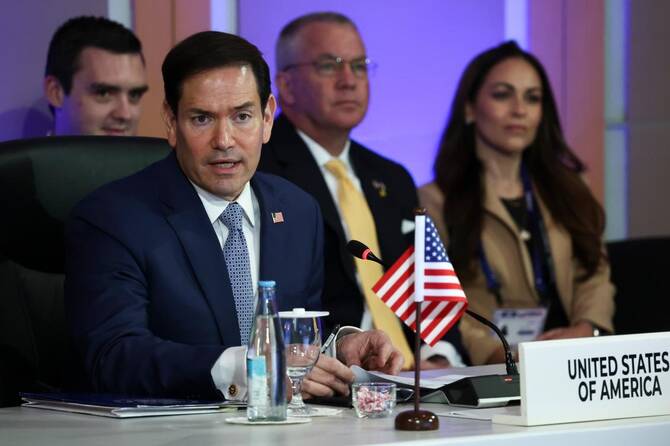
Officials also reiterated that any future talks would need to be aligned with Ukraine’s interests and coordinated with broader Western partners, including the United States.
Analysts say the split reflects a growing tension in European foreign policy between principled opposition to Russia’s war in Ukraine and pragmatic concerns about ensuring the EU remains relevant in any eventual peace process.
While some leaders argue that reopening dialogue could help shape negotiations from within, others warn it could undermine unity and weaken leverage at a critical stage of the conflict.
For now, no consensus has emerged, leaving the EU’s approach to Russia’s war in Ukraine firmly divided as battlefield and diplomatic dynamics continue to evolve.