 11
11
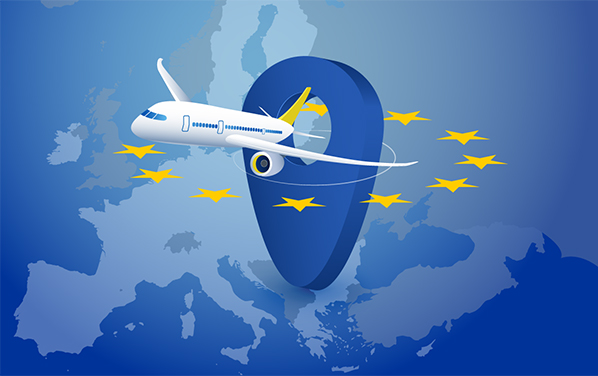
NICOSIA: The recent Iran conflict and the resulting volatility in global fuel prices have intensified European efforts to diversify energy and trade routes away from the Strait of Hormuz, with the European Union accelerating discussions on alternative connectivity projects linking Europe with the Gulf and India.
At the centre of these deliberations is the India–Middle East–Europe Economic Corridor (IMEC), a flagship initiative viewed in Brussels as a potential pillar of the bloc’s long-term energy security and strategic autonomy. European Commission President Ursula von der Leyen has recently renewed support for the project, telling G7 leaders that “alternative export routes have been created that are more resilient and offer choices,” while noting that additional routes such as IMEC are under consideration.
IMEC is designed to strengthen transport, trade, energy, and digital connectivity between India, the Middle East, and Europe. EU officials and diplomats say the project could include new pipelines, electricity transmission lines, and expanded shipping infrastructure aimed at reducing reliance on traditional chokepoints such as the Strait of Hormuz.
Although the EU has endorsed the initiative through a memorandum of understanding, only a limited number of its 27 member states have formally signed on. However, internal political backing is reportedly strong, with discussions now focused on turning the concept into practical implementation across its three core pillars.
A senior EU diplomat involved in the talks said the priority is to move from vision to execution, emphasizing integrated infrastructure planning across transport, energy, and digital networks. The European Commission has not provided a timeline for the project.
The corridor is expected to pass through Israel and has received backing from Israeli leadership. Israeli Prime Minister Benjamin Netanyahu previously described the initiative as a “revolutionary and transformative development” following discussions with Indian Prime Minister Narendra Modi.
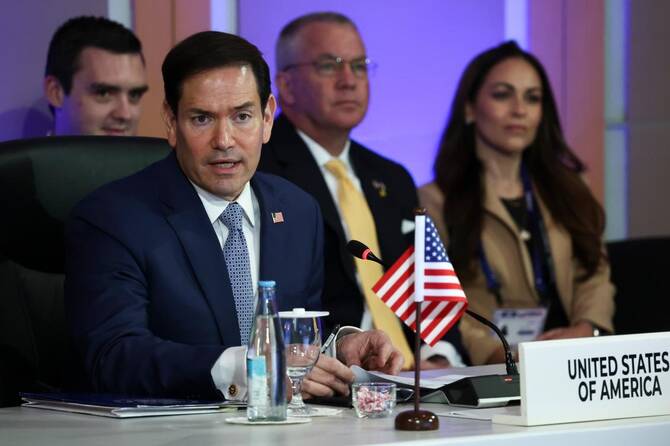
However, analysts note that political challenges remain. Experts argue that U.S. involvement may be crucial in advancing the project, particularly in facilitating broader regional normalization, including between Israel and Saudi Arabia.
“Without normalization between Israel and Saudi Arabia, IMEC cannot be truly realized,” said Lianne Pollak-David, co-founder of the Israel-based Coalition for Regional Security.
Saudi Arabia has maintained that any normalization with Israel would depend on a clear pathway toward Palestinian statehood, a condition opposed by the Israeli leadership.
It remains unclear how the Iran conflict and its wider regional consequences will shape Saudi Arabia’s position on the corridor, with officials in Riyadh declining to comment on the initiative.