 11
11
PARIS: France has recorded approximately 1,000 excess deaths during the record-breaking heatwave that has gripped much of Europe, with health authorities warning the final toll is expected to rise as the full impact of the extreme temperatures becomes clearer.
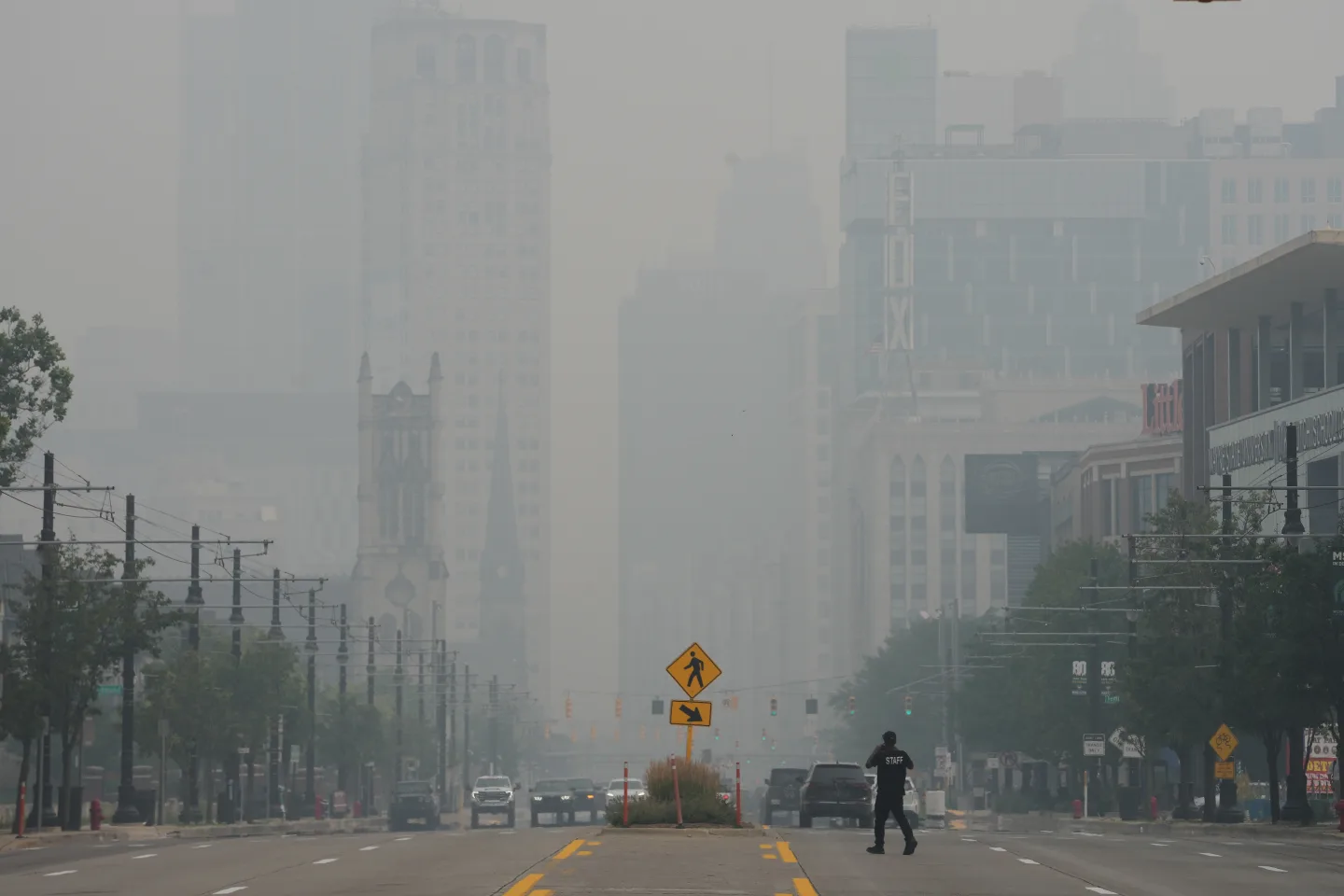
France’s public health agency said the majority of the fatalities involved elderly people, who were particularly vulnerable during several consecutive days of temperatures exceeding 40 degrees Celsius in many parts of the country. Daily mortality rose significantly above seasonal averages during the peak of the heatwave.
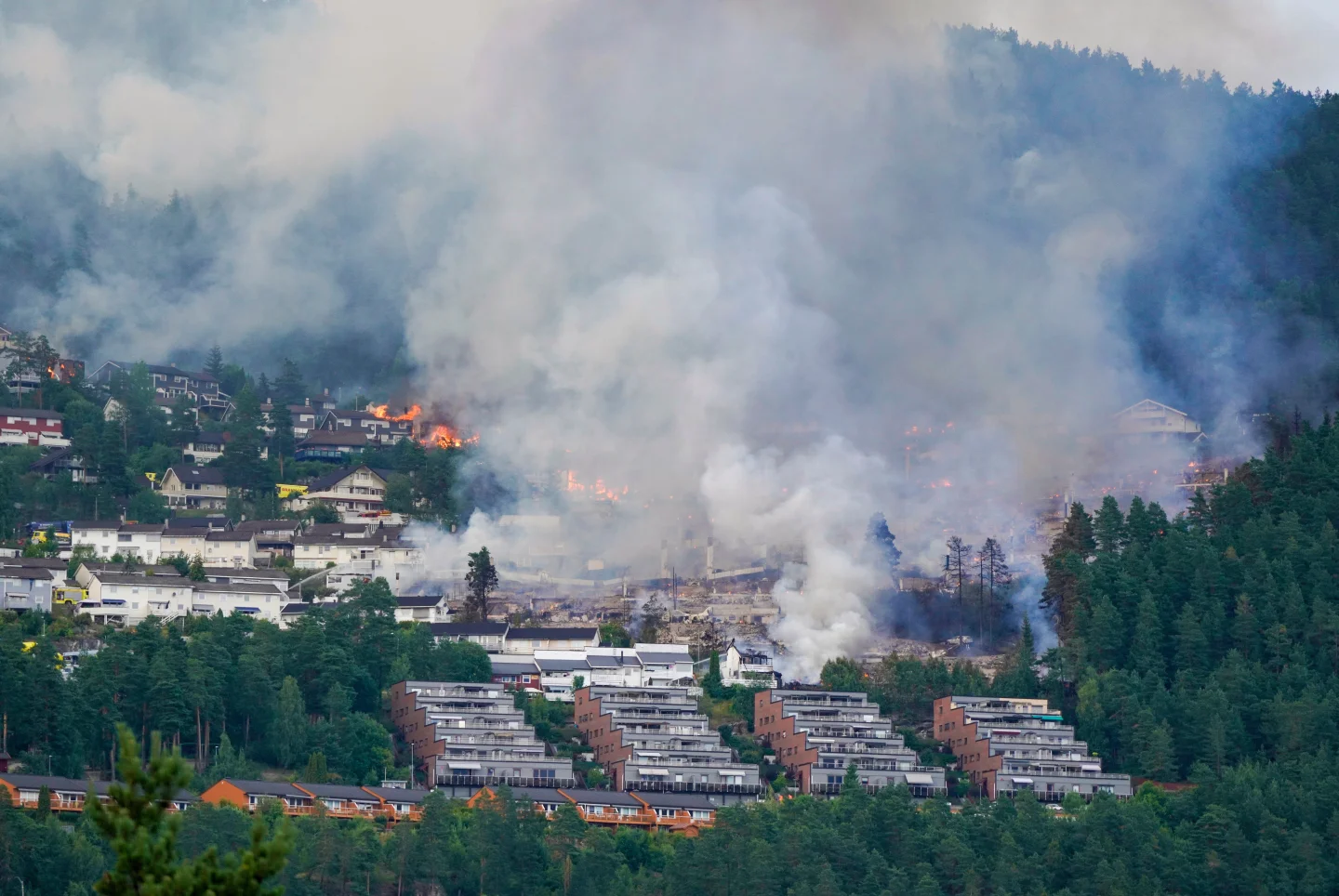
The unprecedented heat has overwhelmed hospitals, strained emergency services and disrupted transport and energy infrastructure across Europe. In France, thousands of households experienced power outages, while several neighbouring countries reported rail disruptions, wildfires and reduced industrial output as soaring temperatures affected critical infrastructure.
The heatwave has also impacted electricity generation, with Hungary’s Paks nuclear power plant reducing output because rising river temperatures limited cooling capacity. In Italy, low water levels in the Po River have allowed seawater intrusion, posing additional risks to agriculture during the peak growing season.
Record temperatures have been registered across Germany, the Czech Republic, Poland and several other European countries, while severe thunderstorms following the heat have caused further damage, injuries and power outages in parts of western Europe.
Climate scientists say human-induced climate change has significantly increased both the frequency and intensity of extreme heat events. The World Health Organization has warned that what were once considered “once-in-a-generation” heatwaves are becoming increasingly common, urging governments to strengthen adaptation measures and protect vulnerable populations.
Although temperatures have begun to ease in parts of western Europe, forecasters expect the extreme heat to move eastward toward Central Europe and the Balkans. Health officials cautioned that heat-related illnesses and fatalities often continue to rise for several days after temperatures begin to fall, meaning the human toll from the latest heatwave may not yet be fully reflected in official figures.