 11
11
BERLIN — Germany and Poland prepared for soaring temperatures on Saturday as a deadly heatwave that has already claimed dozens of lives in Western Europe spread eastward, prompting health warnings, transport disruptions and emergency measures across the continent.
Forecasters said temperatures in parts of Germany and Poland could approach 40 degrees Celsius (104°F) over the weekend as the heatwave, driven by a persistent high-pressure system known as an “Omega block,” continues its advance across Central Europe. The weather pattern has trapped hot air over much of the continent, producing temperatures far above seasonal averages.
Germany has already recorded a preliminary national temperature exceeding 41°C near Saarbruecken, while authorities warned that roads, rail services and other infrastructure could come under increasing strain. National rail operator Deutsche Bahn has offered passengers greater flexibility to cancel or reschedule long-distance journeys due to the extreme conditions.
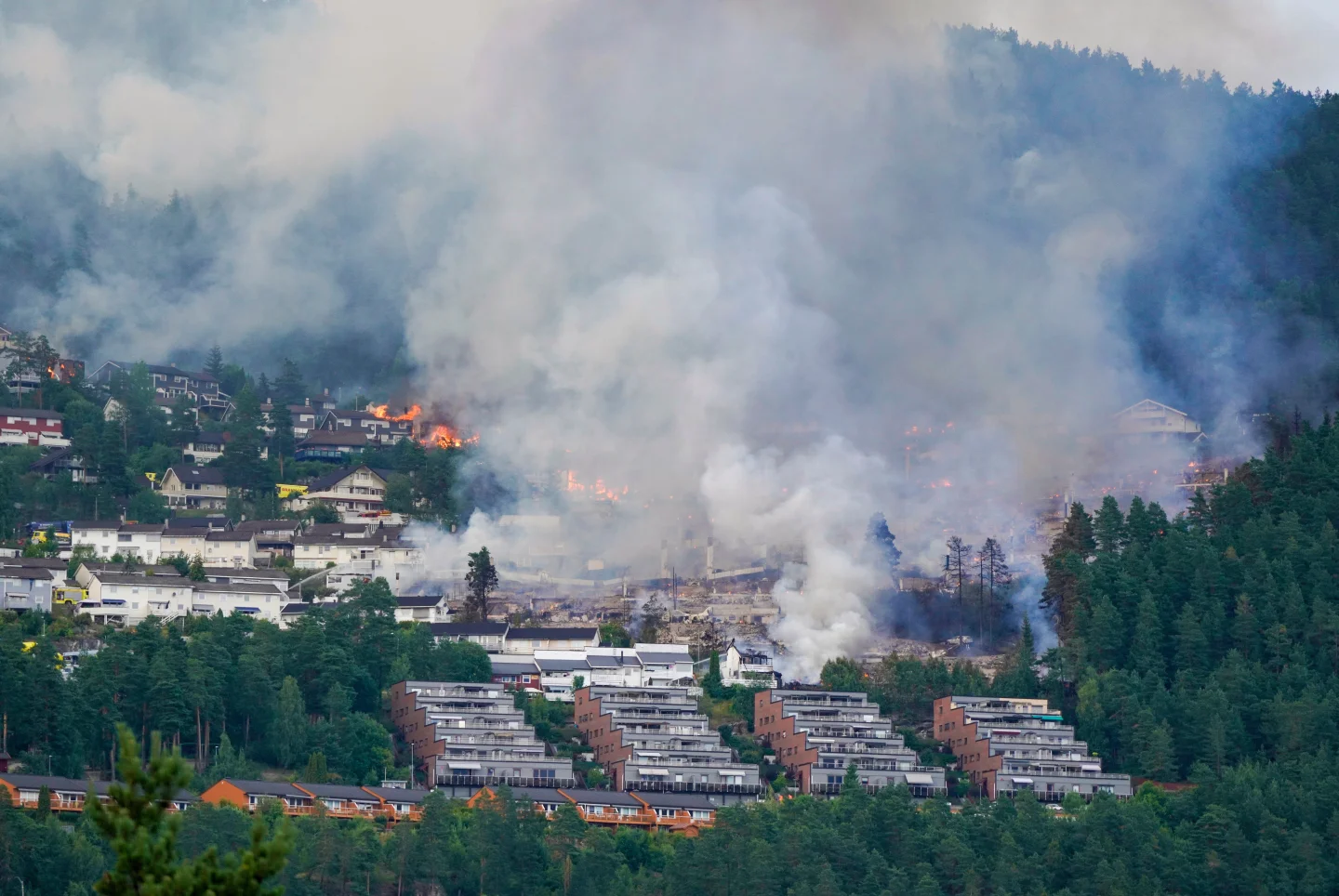
In Poland, officials issued wildfire warnings as high temperatures and dry conditions raised the risk of forest fires. Authorities urged residents to avoid prolonged outdoor activities during the hottest hours of the day and to take precautions against heat-related illnesses.
The heatwave has already caused widespread disruption across Western Europe. France has reported dozens of heat-related deaths, while hospitals have faced increased emergency admissions. High temperatures have also disrupted transport networks, strained electricity supplies and forced the closure of schools and the cancellation of public events in several countries.
Sporting events have also been affected. Organisers of the Ironman European Championship in Frankfurt shortened parts of the competition to protect participants from dangerous heat levels.
Scientists say human-induced climate change has significantly increased both the likelihood and intensity of such extreme heat events, warning that Northern and Central Europe remain particularly vulnerable because many homes and public buildings were designed for cooler climates and lack adequate cooling systems. The World Meteorological Organization expects the heatwave to continue moving toward Central Europe and the Balkans in the coming days.