 111
111 2
2 3
3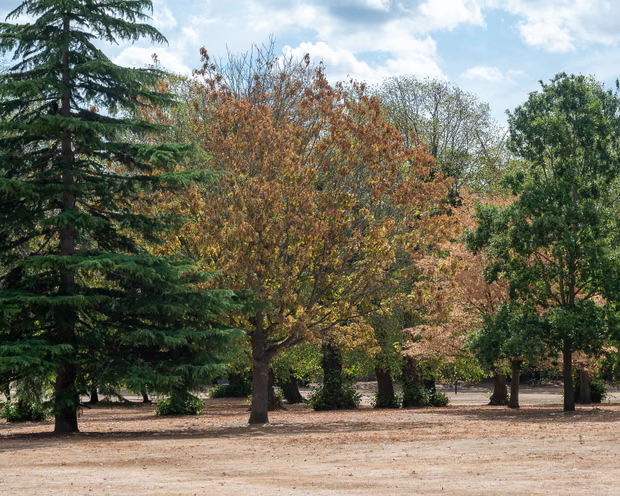
LONDON — Strong winds expected in England this autumn could cause widespread tree damage and mortality after months of record-breaking heat and drought have left forests and woodlands severely stressed, experts have warned.
The warning comes as a strong El Niño weather pattern develops over the Pacific, with the UK Met Office forecasting increased rainfall and storms in Britain later this year. Experts say trees weakened by prolonged dry and hot conditions could be particularly vulnerable to powerful winds and sudden changes in soil conditions.
Kevin Martin, head of tree collections at Kew Gardens, said trees had experienced unusually difficult growing conditions during the year, resulting in weaker and more brittle growth. He warned that extreme winds could therefore have a significant impact on trees across England.
The prolonged drought has also damaged tree root systems. Experts said dry soil followed by heavy rainfall can weaken the soil structure around roots, increasing the risk of trees collapsing at their root plates.
England’s oldest trees are considered particularly vulnerable. Martin warned that species including silver birch, common beech and oak could disappear from some landscapes if extreme weather conditions continue.
The unprecedented weather has already caused widespread signs of stress across England’s countryside, with many trees shedding their leaves prematurely as they attempt to conserve water. The country also experienced an exceptionally hot spring, with temperatures reaching 35°C in May, contributing to severe stress throughout the growing season.
The scale of the potential losses has raised concerns among conservationists. Kew Gardens lost more than 400 trees following the 2022 heatwave, while experts believe the impact of this year’s extreme conditions could be considerably greater. The full effects, however, may not become clear for another two to three years.
Simon Richmond, a technical officer at the Arboricultural Association, said trees were highly resilient and could generally withstand an isolated year of extreme weather. However, he cautioned that repeated episodes of heat, drought and severe weather linked to climate change could place increasing pressure on tree populations.
The warnings come as provisional figures from the Met Office indicate that summer 2026 was the UK’s hottest on record, with an average temperature of 16.5°C. England also experienced its driest July on record, highlighting the exceptional combination of heat and drought affecting the country.
Scientists have warned that repeated climate extremes could increasingly threaten forests and individual tree species, potentially affecting ecosystems, biodiversity and the wider environment.
As England prepares for a potentially stormier autumn, experts say the coming months could provide a crucial test for trees already weakened by one of the country’s most extreme summers on record.