 11
11
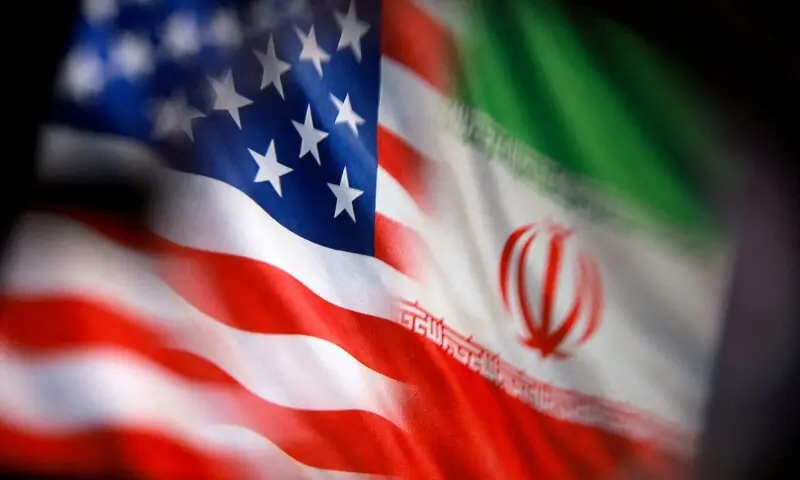
VIENNA: The head of the International Atomic Energy Agency (IAEA), Rafael Grossi, has confirmed that U.N. nuclear inspectors will visit Iran’s uranium enrichment facilities under a recently reached interim agreement between the United States and Iran, despite continuing disagreements between Washington and Tehran over the scope of the arrangement.
Grossi stated that the inspections are a key component of the agreement aimed at easing regional tensions and verifying Iran’s compliance with commitments related to its nuclear program. The IAEA chief stressed that international monitoring is essential to confirm the handling and dilution of Iran’s enriched uranium stockpile.
The announcement follows months of heightened tensions after military confrontations involving Iran, Israel, and the United States. Iran had previously restricted IAEA access to several nuclear facilities following the conflict, raising international concerns about transparency and oversight of its nuclear activities.
However, conflicting statements have emerged regarding the inspections. While U.S. officials and President Donald Trump have asserted that Iran agreed to extensive long-term monitoring, Iranian authorities have rejected claims that inspectors would be granted access to sites damaged during recent U.S. strikes, insisting that no such commitment has been made.
The interim accord reportedly provides a 60-day window for negotiations on a broader agreement addressing Iran’s nuclear program, sanctions relief, and regional security issues. The deal is viewed as a significant diplomatic effort to prevent further escalation in the Middle East and create conditions for longer-term stability.
Meanwhile, the fragile ceasefire environment remains under strain as violence continues in parts of Lebanon. Recent incidents along the Israel-Lebanon border have raised concerns that renewed clashes could complicate ongoing diplomatic initiatives linked to the wider U.S.-Iran negotiations.
International observers regard the planned inspections as a crucial test of trust between Iran and the international community, with the outcome likely to influence future negotiations on nuclear safeguards and regional security arrangements.