 111
111 2
2 3
3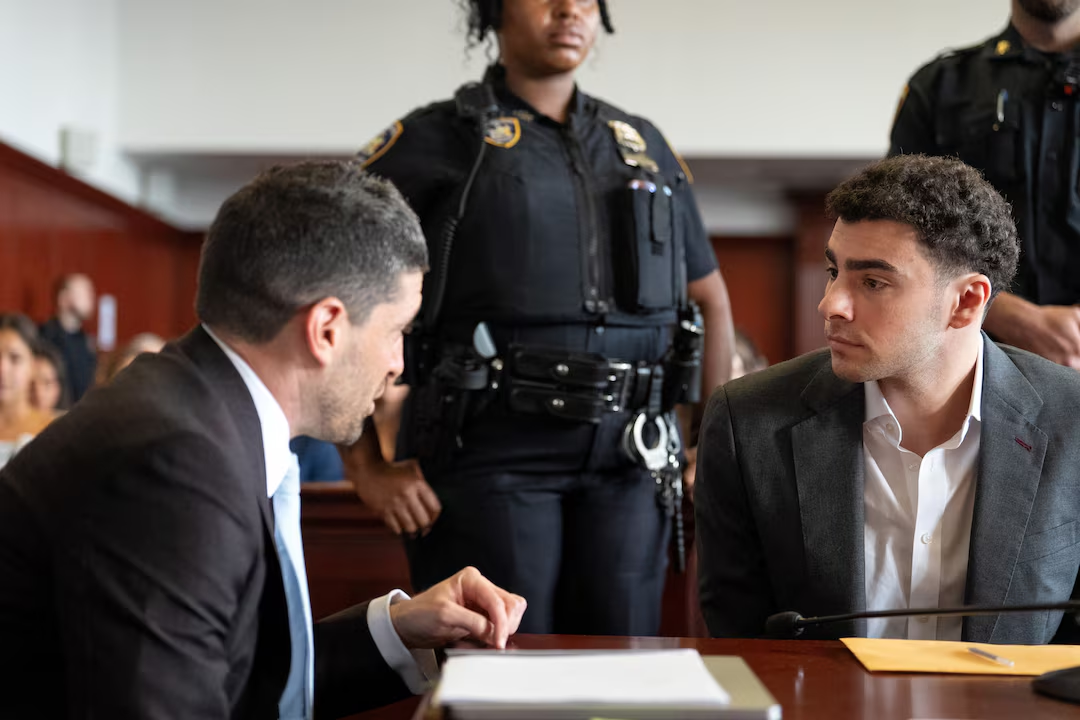
NEW YORK: Luigi Mangione pleaded guilty in federal court on Friday to charges stemming from the fatal shooting of UnitedHealthcare CEO Brian Thompson, admitting that he stalked the health insurance executive with the intention of killing him.
Mangione admitted that he fatally shot Thompson on Dec. 4, 2024, outside a Manhattan hotel where UnitedHealthcare was holding an investor conference. The killing triggered a nationwide manhunt and attracted intense public attention, including widespread debate over the U.S. health insurance system.
Under his guilty plea, Mangione faces a possible life sentence. Federal prosecutors said they intend to seek life imprisonment, while his sentencing is scheduled for Dec. 18.
During the court proceedings, Mangione acknowledged that he deliberately planned the attack and used deceptive means to determine the time and location of the company’s investor conference. He said his actions were driven by personal frustrations, including difficulties he experienced with his health insurance following a serious back injury.
The federal case had initially included murder and weapons charges, but those charges were dismissed earlier this year. Mangione remained exposed to a possible life sentence on the federal stalking charges.
Mangione also continues to face separate charges in New York state, including second-degree murder and weapons offenses. His lawyers are seeking dismissal of those charges under constitutional protections against double jeopardy, arguing that prosecuting him in both federal and state cases would amount to punishment for the same conduct. Prosecutors are expected to challenge that argument.
Thompson’s family has welcomed Mangione’s guilty plea as an important step toward justice. Federal prosecutors have stressed that anger or ideological opposition to the healthcare industry cannot justify the killing.
Mangione’s case has become one of the most closely followed criminal proceedings in the United States, in part because some critics of the healthcare system have portrayed him as a symbol of frustration with insurance companies, despite the killing being widely condemned by public officials.