 11
11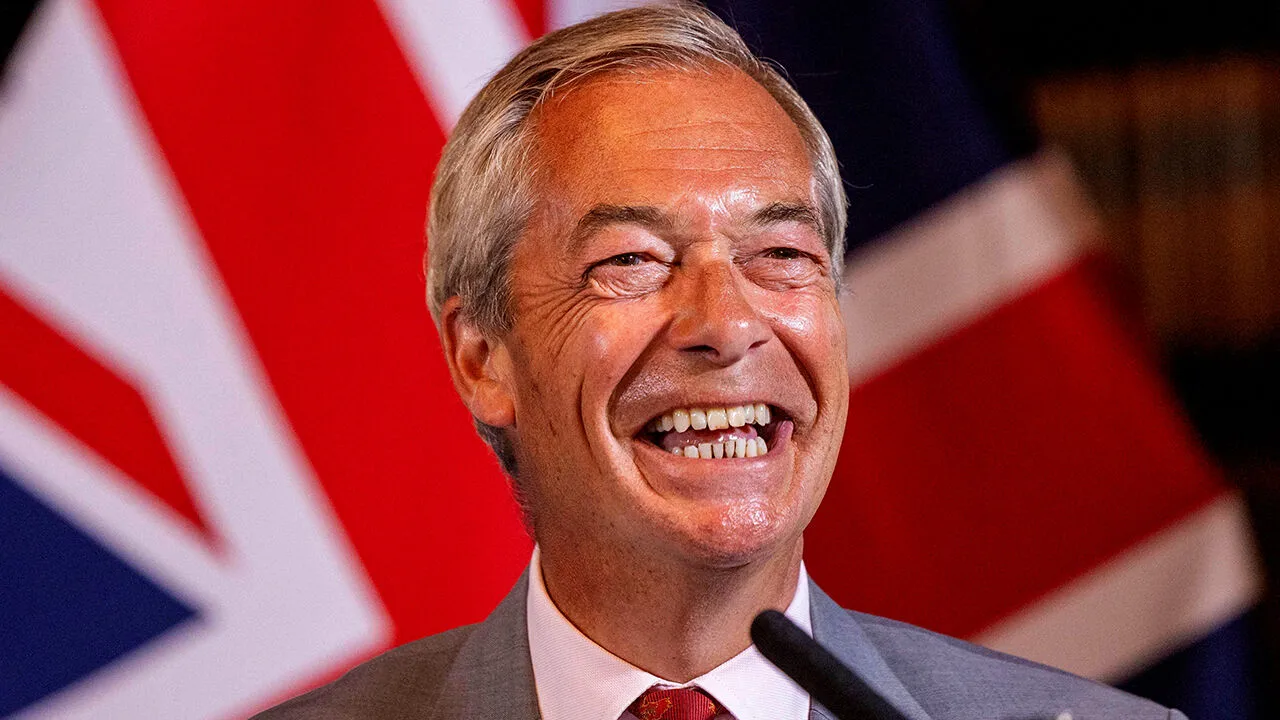
LONDON: Reform UK leader Nigel Farage has secured re-election in the Clacton by-election, defeating satirical candidate Count Binface in a contest that was widely viewed as a test of Farage’s political standing amid renewed scrutiny of his financial affairs.
Farage won 22,239 votes, or 63.34% of the total, while Count Binface, the parody persona created by comedian Jon Harvey, finished second with 9,455 votes, equivalent to 26.93%. The result gave Farage a clear victory, but the unexpectedly strong performance of the novelty candidate attracted considerable attention.
The by-election was triggered after Farage resigned his parliamentary seat, presenting the contest as an opportunity for voters to judge him directly. However, the main political parties declined to contest the election, describing it as an unnecessary political exercise and a distraction from questions surrounding Farage’s financial affairs.
Farage had been under increasing scrutiny following revelations concerning a £5 million personal gift from cryptocurrency businessman Christopher Harborne. Parliament’s standards watchdog subsequently reopened an investigation into financial gifts received by the Reform UK leader, ensuring that the controversy will continue after his return to the House of Commons.
The scale of Count Binface’s vote was particularly notable because Clacton is considered one of the strongest areas of support for Brexit and right-wing politics. Despite limited campaigning and the absence of a conventional party organisation, Binface secured more than one in four votes.
The result therefore offered a complicated picture for Farage. His victory demonstrated that he retains substantial support in his political stronghold, but the size of the protest vote suggested that not all voters in the constituency were prepared to endorse his political agenda. The Guardian commentary described the result as evidence of vulnerability rather than a decisive demonstration of national momentum.
Farage also attracted criticism for failing to attend the official declaration of the result. His party said police had warned of a potential threat, although Essex Police subsequently said there had been no incidents or issues connected with the by-election and that attendance was ultimately a matter for candidates.
The unusual election has consequently become a broader discussion about the nature of contemporary British politics. With the mainstream parties absent, voters were left with Farage, Binface and a collection of independent and fringe candidates, turning the contest into an unusual mixture of conventional politics, protest voting and political satire.
For Reform UK, the outcome provides both reassurance and warning. Farage remains firmly established in Clacton, but his financial controversies, declining enthusiasm among some voters and the unexpectedly strong performance of a parody candidate underline the difficulties he faces in transforming local support into a broader national mandate.
The renewed parliamentary investigation may prove more consequential than the by-election itself. Farage’s return to Westminster means he must now confront the financial questions that he had sought to place at the centre of the Clacton contest, while continuing to build Reform UK as a credible national political force.
The Clacton result therefore represents a victory for Farage, but not necessarily the political breakthrough he sought. His majority confirms his enduring strength in the constituency, while Binface’s performance provides a striking reminder that a significant share of voters were willing to use the election to register dissatisfaction with Britain’s increasingly polarised political landscape.