 11
11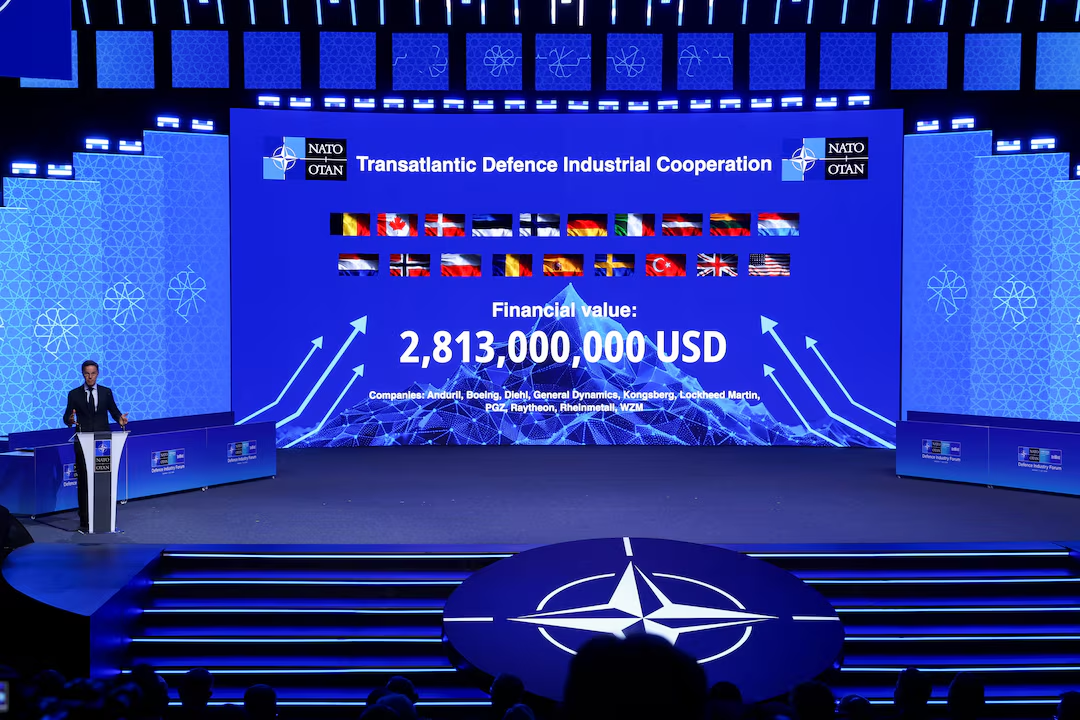
ANKARA: NATO leaders on Tuesday announced a series of major defence agreements worth tens of billions of dollars ahead of the alliance’s summit in Ankara, underscoring Europe’s commitment to increasing military spending in response to longstanding calls from U.S. President Donald Trump.
The announcements were made during a NATO Defence Industry Forum, where Secretary General Mark Rutte unveiled several multinational procurement initiatives aimed at strengthening the alliance’s military capabilities. The agreements include European countries purchasing advanced surveillance drones from U.S. defence company Northrop Grumman, while NATO confirmed plans to replace its ageing fleet of AWACS surveillance aircraft with Sweden’s Saab GlobalEye system. Rutte also announced that allies will invest more than $40 billion over the next five years to enhance anti-drone capabilities.
The defence initiatives come ahead of President Trump’s arrival in Ankara for talks with Turkish President Recep Tayyip Erdogan and other NATO leaders. European governments hope the announcements will demonstrate that they are responding to U.S. demands for greater defence contributions and reducing reliance on American military support.
Dutch Defence Minister Dilan Yesilgöz said the Netherlands would unveil more than €3 billion in new defence deals and plans, including cooperation with Belgium on air defence systems and with the United Kingdom on naval ship projects. Meanwhile, the United States is reportedly discussing joint missile production in Europe with Germany and other allies to help replenish weapons stockpiles depleted by support for Ukraine and recent military operations in the Middle East.
The summit takes place amid heightened geopolitical tensions, including Russia’s war in Ukraine and concerns over security in the Middle East. NATO members are expected to reaffirm their commitment to collective defence under Article 5 of the alliance’s founding treaty while discussing increased military assistance for Ukraine and measures to strengthen Europe’s long-term defence posture.