 11
11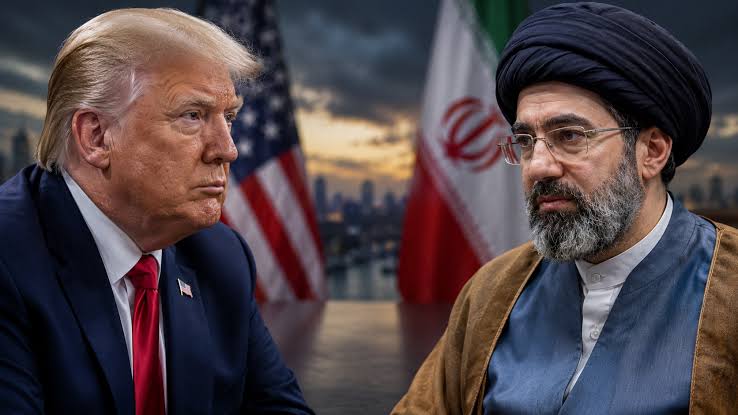
A preliminary agreement between the United States and Iran to end the ongoing Gulf conflict marks a potentially pivotal moment in a war that has reshaped regional security dynamics, disrupted global energy flows, and deepened geopolitical rivalries. Announced by U.S. President Donald Trump, the deal—described as a “general memorandum of understanding”—extends an earlier ceasefire and opens a narrow pathway toward a broader political settlement, though key disputes remain unresolved.
According to statements from both Washington and Tehran, the agreement signed this week is not a comprehensive peace treaty but a limited framework intended to prolong the April ceasefire by an additional 60 days. The document reportedly spans only a few pages and leaves critical issues—most notably Iran’s nuclear program, regional security arrangements, and sanctions relief—open for future negotiation.
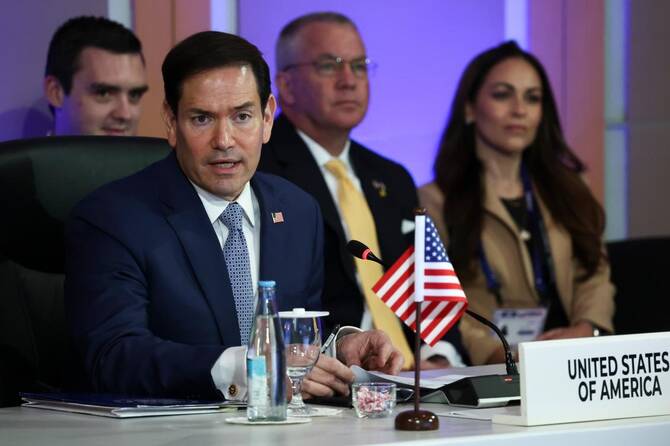
President Trump confirmed that Vice President JD Vance will attend a formal signing ceremony in Geneva, signaling continued high-level U.S. engagement. However, U.S. officials have acknowledged that the agreement is deliberately broad, designed more to prevent immediate escalation than to resolve core disagreements.
Iranian President Masoud Pezeshkian similarly characterized the deal as a “first step,” emphasizing that a durable truce has yet to be finalized. This mutual caution highlights the provisional nature of the accord and the absence of binding enforcement mechanisms.
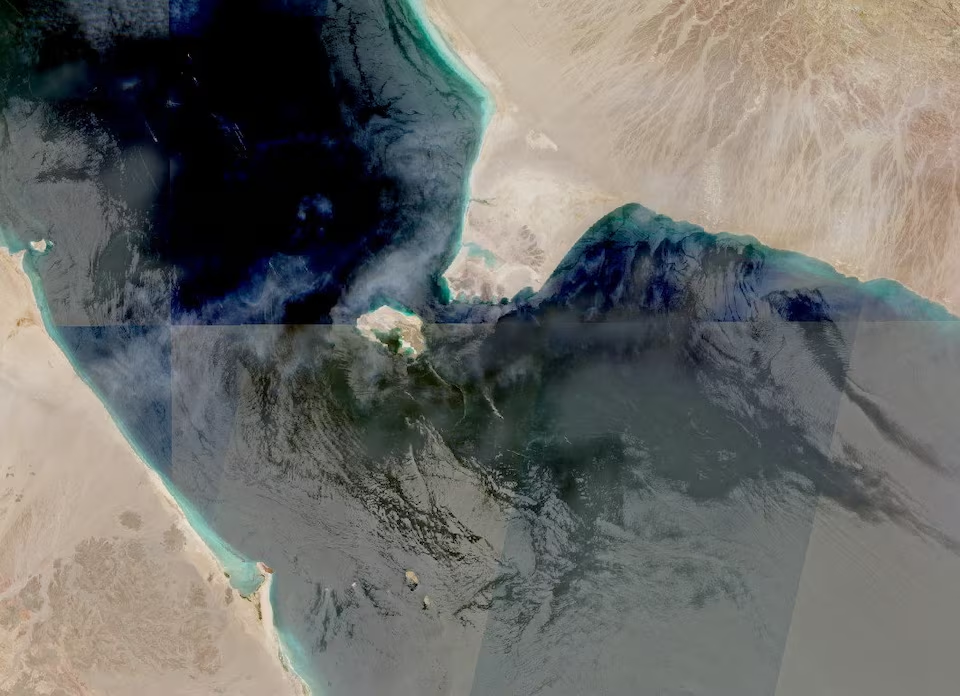
One of the most significant elements of the agreement is the planned reopening of the Strait of Hormuz, a critical maritime chokepoint through which nearly one-fifth of global oil shipments pass. The strait had been effectively disrupted amid escalating hostilities following U.S. and Israeli strikes on Iran earlier in the year.
The announcement immediately triggered a decline in global oil prices, which fell to their lowest level since March, reflecting market expectations of reduced supply risk and improved shipping stability. However, maritime analysts caution that full normalization of traffic will depend on security assurances, not merely political declarations.
Iran has indicated it may retain oversight of the strait in cooperation with Oman, while the United States insists that passage remain toll-free for the duration of the 60-day extension—a provision Washington reportedly wants incorporated into any final settlement.
A key incentive structure embedded in the agreement appears to be a significant sanctions relief package for Iran. U.S. officials, including Vice President Vance, have suggested that the framework could ultimately lead to the unfreezing of Iranian assets, easing of financial restrictions, and the establishment of a reconstruction fund potentially worth up to $300 billion, financed by regional Gulf states.
In exchange, Washington is reportedly demanding verifiable Iranian commitments to halt any pursuit of nuclear weapons capability and to reduce support for regional proxy groups, including Hezbollah in Lebanon. These conditions reflect long-standing U.S. strategic concerns that have defined relations between the two countries for decades.
Despite these proposals, Iranian officials maintain that their nuclear program remains peaceful and argue that participation in renewed negotiations constitutes a diplomatic concession in itself.
The unresolved status of Iran’s nuclear program continues to represent the most consequential barrier to a lasting agreement. Iran previously agreed under the 2015 nuclear deal to limit enrichment activities in exchange for sanctions relief. However, the U.S. withdrawal from that agreement during Trump’s first term destabilized the framework and contributed to renewed escalation.
The current memorandum does not clarify the fate of Iran’s enriched uranium stockpile or establish monitoring mechanisms, leaving critical technical questions unanswered. U.S. officials have reiterated demands that Iran dismantle any capacity to develop nuclear weapons, while Tehran continues to reject such accusations.
The broader regional conflict, particularly the ongoing confrontation between Israel and Hezbollah in Lebanon, remains a major obstacle to implementation. Iran has reportedly linked any final agreement to a full cessation of hostilities in Lebanon, while Israel has rejected such conditions.
Israeli Prime Minister Benjamin Netanyahu stated that Israeli forces would remain deployed in southern Lebanon and retain the right to respond to attacks, asserting that he resisted external pressure to withdraw. Israeli officials have not participated directly in the negotiations, and internal assessments reportedly describe the agreement as unfavorable to Israeli interests.
Although some reduction in violence has been observed following the announcement, isolated strikes continue, including reported drone attacks in southern Lebanon.
From a strategic perspective, the agreement reflects a cautious de-escalation rather than a resolution of conflict. It restores elements of the prewar status quo—particularly maritime access through the Strait of Hormuz—without addressing the structural drivers of confrontation, including nuclear proliferation concerns, proxy warfare, and regional power competition.
For the United States, the deal may represent an attempt to stabilize energy markets and prevent further escalation without committing to full-scale military or diplomatic restructuring in the region. For Iran, it provides limited economic relief prospects while preserving core strategic capabilities.
However, the absence of detailed verification mechanisms, coupled with deep mistrust between the parties, raises questions about durability. The agreement’s success will likely depend on whether interim economic incentives can sustain compliance long enough to enable broader negotiations.
The U.S.–Iran preliminary agreement constitutes a significant but fragile diplomatic opening in a highly volatile regional conflict. While it has already produced measurable economic effects and temporarily reduced escalation risks, its long-term viability remains uncertain.
With core issues such as nuclear capabilities, regional militias, and Israeli security concerns unresolved, the accord appears more as a managed pause in hostilities than a comprehensive peace settlement. The coming weeks—particularly the release of additional details and the planned Geneva signing ceremony—will be critical in determining whether this framework evolves into a durable peace process or dissolves under the weight of unresolved geopolitical contradictions.