 11
11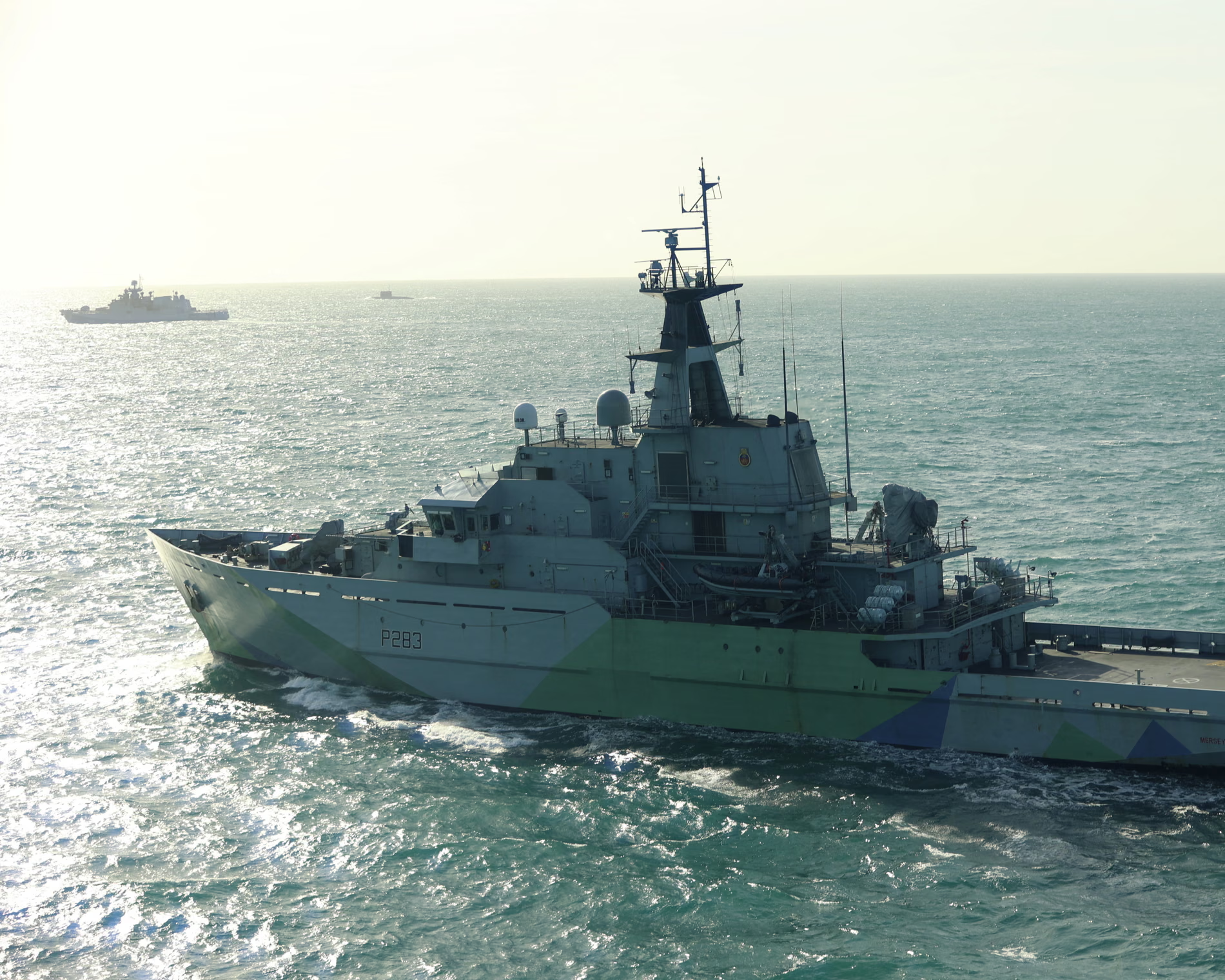
LONDON: The Royal Navy has increased the time it spends monitoring Russian vessels around UK waters by 25%, reflecting heightened Russian naval activity and growing concerns over maritime security, according to the UK Ministry of Defence.
British patrol vessels spent 21 days in July shadowing Russian ships operating in the Dover Strait and the North Sea. The deployments involved Royal Navy vessels including HMS Tyne, HMS Mersey and HMS Severn, supported by Wildcat helicopters and Merlin maritime patrol aircraft.
The Russian frigates Neustrashimy and Admiral Grigorovich were among the vessels monitored by British forces as they escorted oil tankers linked to Russia’s sanctioned “shadow fleet”, according to the report.
Ministry of Defence figures showed that the Royal Navy carried out 116 activations in the year to March 2026, monitoring 61 Russian warships and 28 merchant vessels. The figures represent a 30% increase in Russian naval presence around UK waters over a two-year period.
British authorities have also increased surveillance of Russian intelligence-gathering vessels, including the Yantar, which has previously been detected operating near undersea cables off Scotland.
The increased monitoring follows growing concerns over the protection of critical undersea infrastructure and the activities of Russian vessels in waters surrounding the UK and the wider North Atlantic.
The Royal Navy’s deployments have also intensified amid efforts to disrupt Russia’s sanctioned oil trade. In June, Royal Marines seized the shadow-fleet tanker Smyrtos, marking the first such seizure by British forces.
Separately, HMS Somerset has been involved in a NATO mission tracking Russian submarines in the North Atlantic.
The Ministry of Defence believes Russia is committing significant naval resources to protecting its sanctioned oil trade, which has faced substantial financial pressure. The reported increase in Russian maritime activity has consequently prompted a stronger monitoring response from the UK and its NATO allies.
The developments highlight the growing strategic importance of the North Sea, the English Channel and the North Atlantic amid heightened tensions between Russia and Western countries following Moscow’s war in Ukraine.