 11
11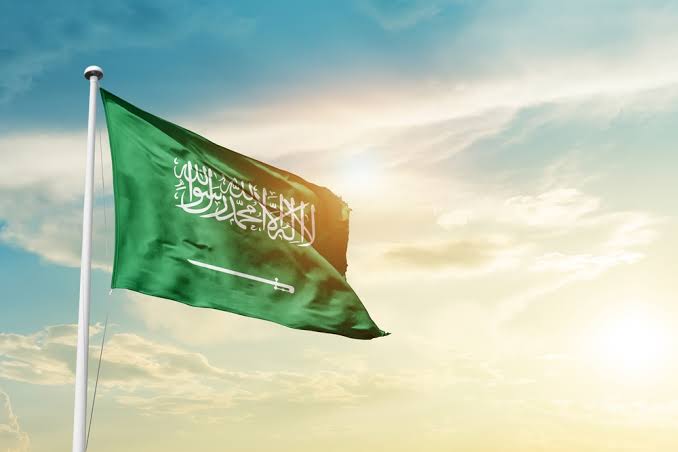
RIYADH: Saudi Arabia is facing growing security and economic pressures as Iran-backed Houthi forces in Yemen make rapid advances toward strategic areas along the Red Sea, while attacks blamed on Iran-backed militias in Iraq have disrupted a key Saudi oil export route.
The developments have heightened concerns over the security of the Bab el-Mandeb Strait, a critical maritime chokepoint connecting the Red Sea with the Gulf of Aden and through which a significant share of global trade passes. Recent Houthi advances, including the seizure of the Red Sea port of Mokha and the strategic Mayun Island, have strengthened the group’s position near the vital shipping corridor.
Saudi Arabia has also been compelled to shut down its East-West oil pipeline as a precaution following drone attacks reportedly originating from Iraq. The pipeline provides an important alternative route for transporting Saudi crude to the Red Sea and reducing reliance on the Strait of Hormuz, where regional tensions have already disrupted energy shipments.
The latest escalation comes after years of efforts by Riyadh to move beyond its costly intervention in Yemen. The conflict, which began in 2015, was significantly de-escalated by a 2022 ceasefire, but renewed Houthi military activity has once again placed Saudi Arabia under pressure.
The situation has also affected Saudi oil exports. According to figures cited by The Associated Press from global trade monitor Kpler, Saudi crude exports to Asia fell sharply from approximately 3.4 million barrels per day in June to 128,000 barrels per day in August, before recovering to around 700,000 barrels per day in September.
The escalating security risks have raised concerns over global energy supplies and shipping costs, with international markets already reacting to disruptions around the region. Analysts warn that Riyadh faces difficult choices, as a stronger military response could prolong the conflict and expose Saudi energy infrastructure to further attacks, while renewed negotiations could require significant political concessions.
The developments underscore the increasingly interconnected nature of conflicts involving Yemen, Iran, Iraq and the wider Gulf, with growing implications for regional stability, international shipping and global energy security.