 11
11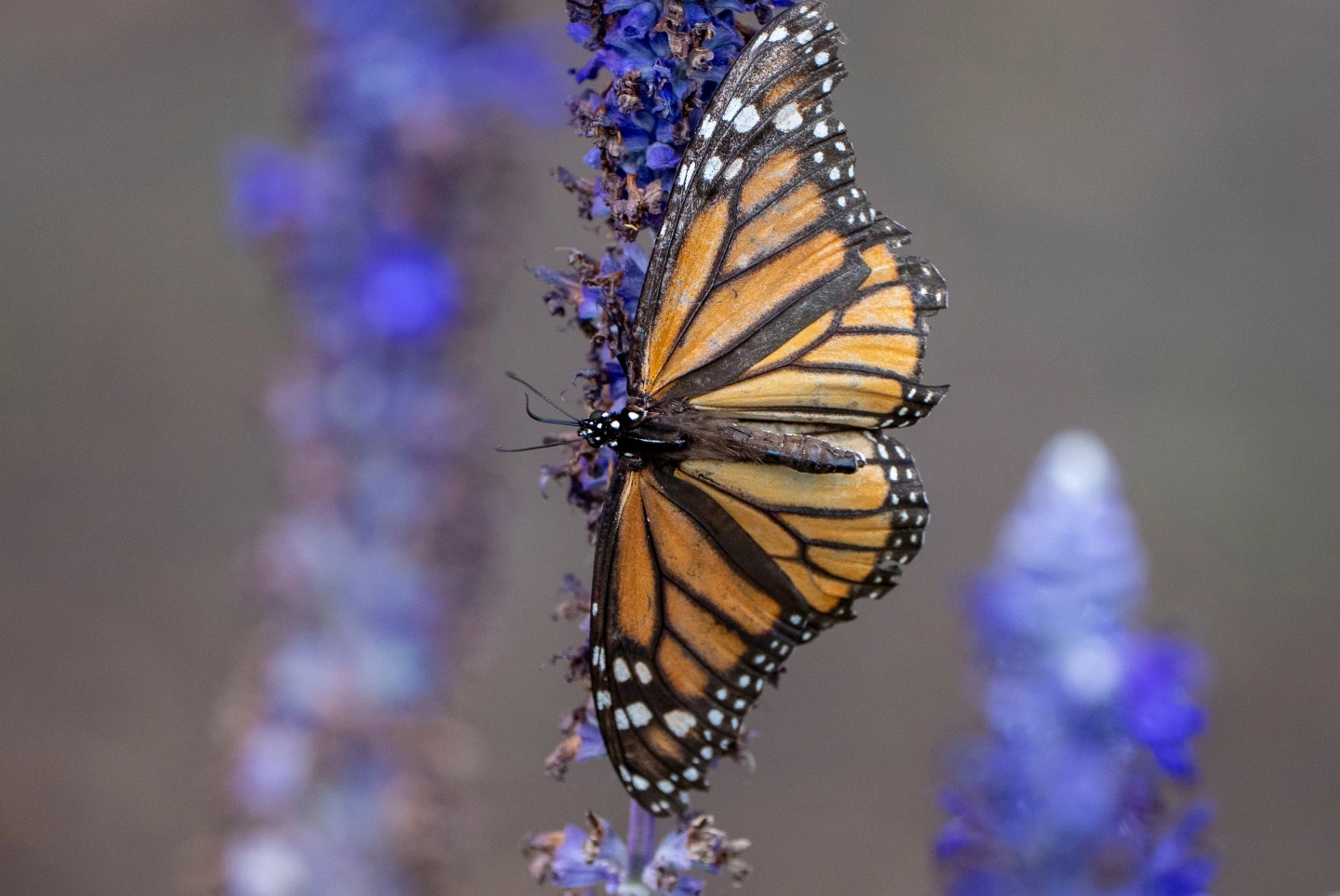
BILLINGS: The administration of U.S. President Donald Trump has revoked a longstanding federal rule that automatically extended legal protections to species listed as “threatened” under the Endangered Species Act (ESA), a move that has drawn strong criticism from conservation groups warning it could increase the risk of wildlife extinction.
The U.S. Interior Department announced that species newly classified as threatened will no longer receive immediate blanket protections. Instead, each species will require an individualized conservation plan before safeguards take effect, a process critics say could significantly delay protections while allowing industries to seek exemptions for development projects.
Interior Secretary Doug Burgum defended the policy change, arguing that the Endangered Species Act has frequently been used to block infrastructure, energy and development projects, increasing costs and affecting U.S. competitiveness. He said conservation success should be measured by species recovery and eventual removal from the endangered list rather than by expanding the number of protected species.
Environmental organizations, however, contend that the decision weakens one of the cornerstone provisions of the ESA and could leave vulnerable species—including monarch butterflies, alligator snapping turtles, California spotted owls and several fish, reptiles and insects—without timely legal protection while species-specific rules are developed.
The administration also finalized a separate rule requiring federal agencies to consider the economic impacts of designating critical habitat for threatened species. Conservation advocates argue that the measure could give greater weight to industrial and commercial interests in decisions involving oil and gas exploration, mining and other development projects.
The latest policy changes follow a series of environmental rollbacks undertaken during President Trump’s second term, including revisions to the definition of “harm” under the Endangered Species Act and reductions in designated critical habitat for certain protected wildlife. Several environmental organizations have already challenged some of these measures in federal court, arguing they undermine decades of wildlife conservation policy.
The Endangered Species Act, enacted in 1973, is widely credited with helping prevent the extinction of iconic American wildlife such as the bald eagle and the American alligator. Conservationists warn that weakening automatic protections could make recovery efforts more difficult for species facing increasing threats from habitat loss, climate change and industrial development.