 11
11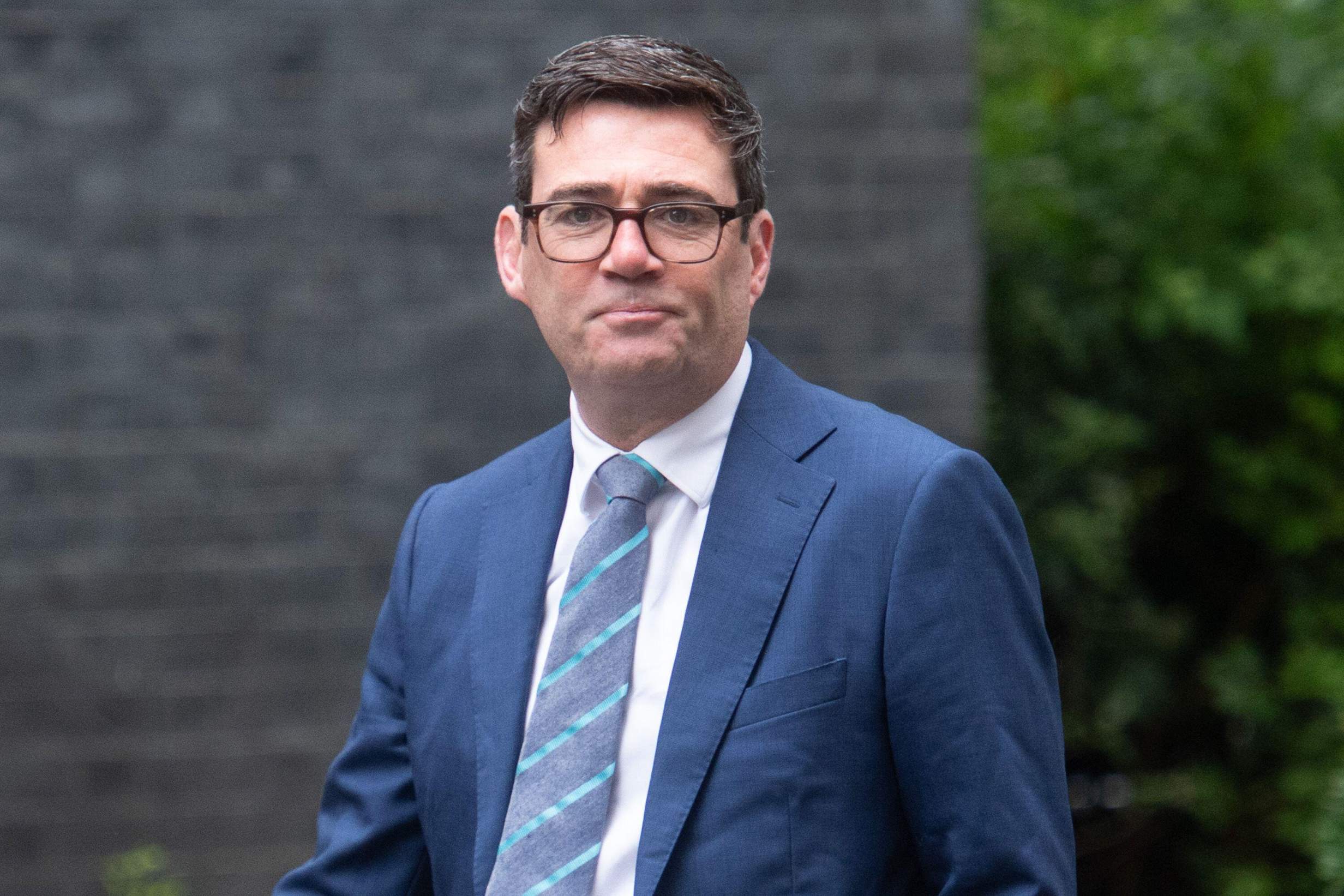
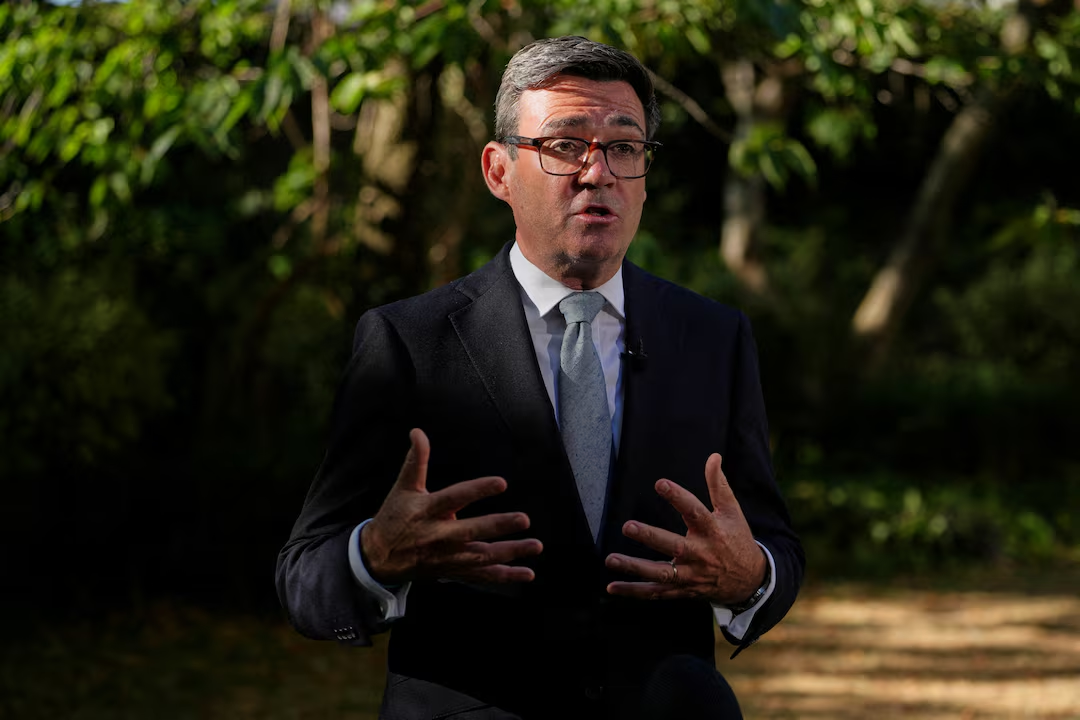
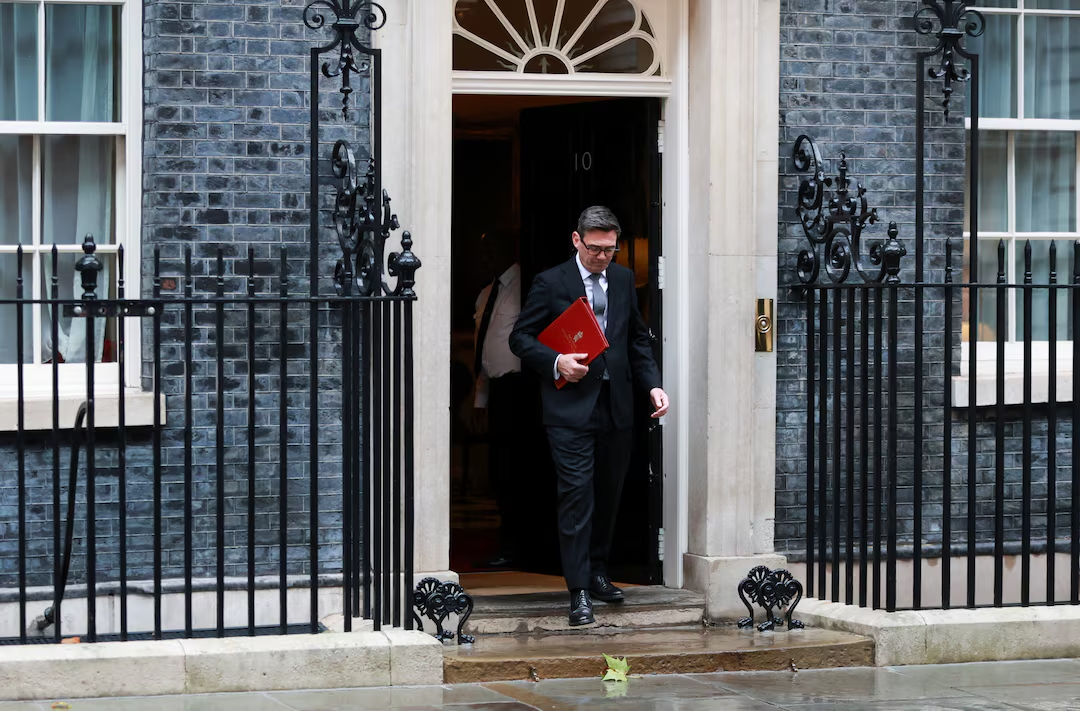
The United Kingdom is preparing for another change of leadership as Labour leader Andy Burnham is set to become prime minister following the resignation of Keir Starmer. Unlike in presidential systems, however, British voters will not return to the polls. Instead, Burnham will assume office because he has secured the confidence of the governing Labour Party, which already commands a parliamentary majority in the House of Commons.
While the transition follows established constitutional practice, it has reignited debate over democratic legitimacy, political stability, and the evolving nature of leadership within Britain’s parliamentary system.
The British political system is built around Parliament rather than the direct election of a prime minister. Citizens elect Members of Parliament (MPs), and the monarch appoints as prime minister the individual most likely to command the confidence of the House of Commons.
Since Labour won a majority in the 2024 general election, the party retains the right to choose a new leader without triggering another nationwide vote. Once Burnham was elected Labour leader with overwhelming backing from Labour MPs, he became the natural successor to Starmer. The next general election is not legally required until 2029.
Supporters argue that the system offers continuity. Governments can replace ineffective or unpopular leaders without dissolving Parliament or creating prolonged periods of political uncertainty. In times of economic or international crisis, such flexibility allows the government to maintain stability.
Critics, however, argue that repeated mid-term leadership changes weaken public confidence. Many voters cast their ballots based on a party leader’s vision and personality. When leadership changes without a public vote, citizens may feel disconnected from decisions that directly affect national governance.
Britain has experienced several such transitions over the past decade, making Burnham the latest in a succession of prime ministers who entered office through internal party processes rather than a general election.
Burnham enters Downing Street with a reputation built largely outside Westminster. As Mayor of Greater Manchester, he gained national recognition for advocating greater regional investment, stronger public services, and expanded devolution of powers away from London.
His leadership campaign emphasized restoring public trust, improving living standards, and giving greater authority to local communities. These priorities reflect growing concerns over regional inequality and the cost-of-living pressures facing many British households.
Burnham assumes office during a particularly demanding period.
His government must confront:
These challenges will test not only Burnham’s leadership but also Labour’s ability to maintain unity after a rapid transition.
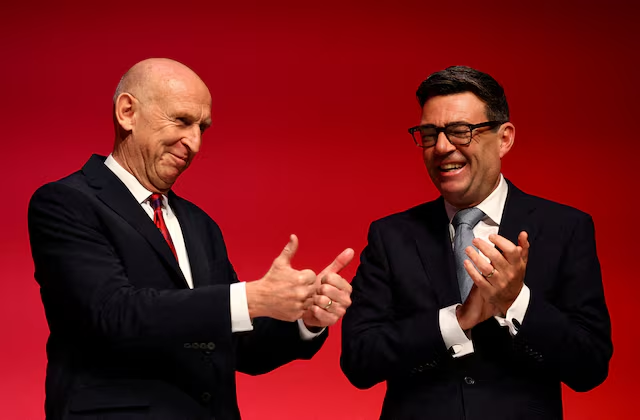
Leadership changes can either revitalize governing parties or expose internal divisions. Burnham’s overwhelming support within Labour suggests a relatively smooth transfer of power, but maintaining party discipline while delivering tangible policy results will be essential.
His success will depend less on how he reached office than on whether his government can improve economic conditions and deliver on promises of reform.
Andy Burnham’s accession illustrates both the strengths and complexities of Britain’s parliamentary democracy. The system allows governments to replace leaders efficiently without disrupting parliamentary terms, but it also raises recurring questions about democratic accountability when national leadership changes without a public vote.
Whether Burnham’s premiership becomes a story of political renewal or another chapter in Britain’s recent cycle of leadership turnover will depend on his ability to convert internal party support into broader public confidence before voters next go to the polls.