 111
111 2
2 3
3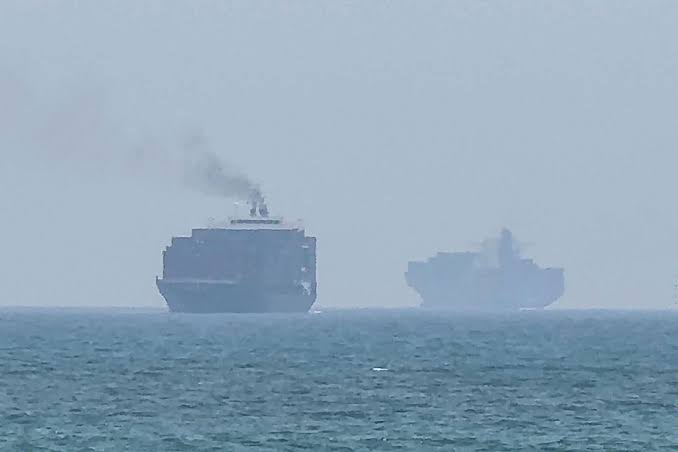
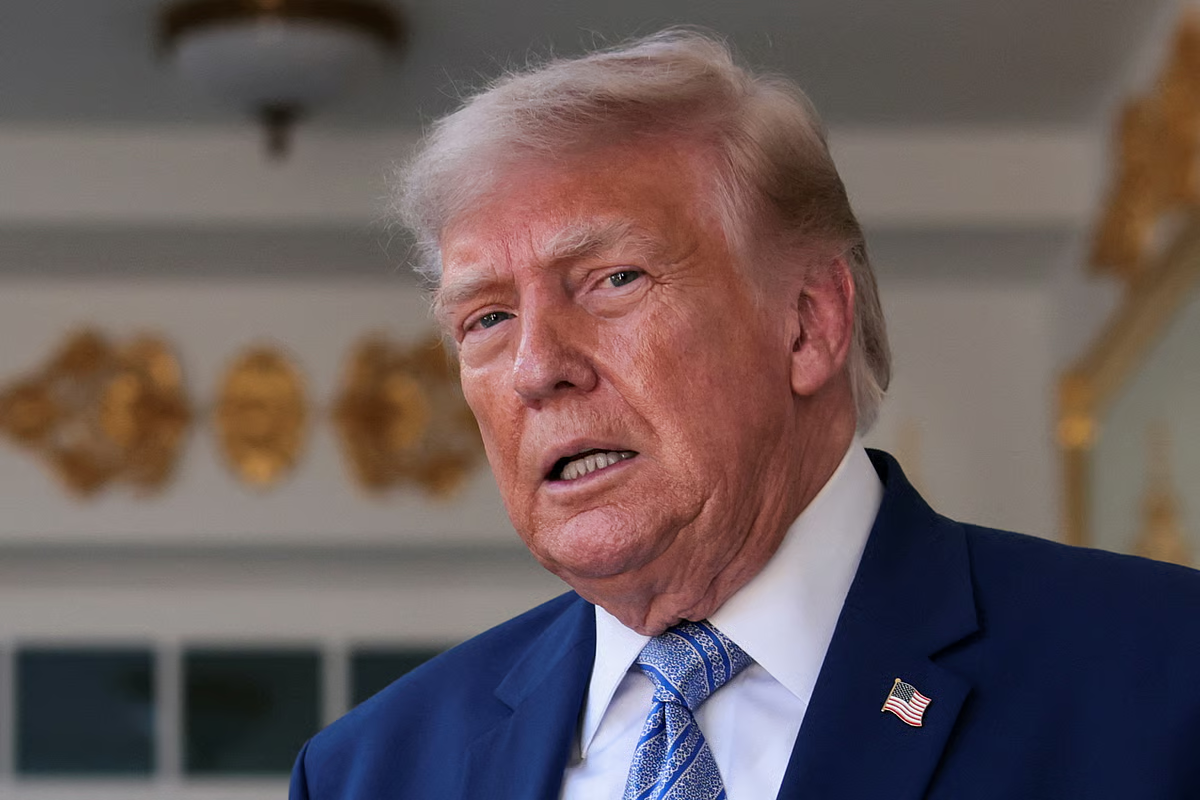
WASHINGTON: U.S. President Donald Trump has announced that diplomatic talks aimed at ending the conflict with Iran are expected to begin this week, expressing optimism that negotiations could help reopen the strategically vital Strait of Hormuz and reduce tensions across the Middle East.
Speaking to reporters, Trump said he had decided to hold off on launching what he described as “massive” military strikes against Iran, arguing that diplomacy represented a final opportunity to resolve the conflict peacefully. However, Iranian officials denied that direct negotiations with Washington had been scheduled, maintaining that discussions were taking place only through Omani mediation to facilitate maritime navigation.
The latest developments come amid continued instability across the region. Iran has reportedly executed two men convicted of spying for Israel, while senior Iranian officials have intensified diplomatic outreach to neighboring countries, including Iraq and Pakistan, as regional powers seek to prevent further escalation.
In the Gaza Strip, Israeli military operations continued despite recent U.S.-brokered efforts to advance a broader peace initiative that includes the disarmament of Hamas. Palestinian officials reported additional civilian casualties from Israeli airstrikes, while humanitarian agencies warned that extreme summer temperatures, overcrowded displacement camps, and deteriorating sanitation conditions are worsening the humanitarian crisis.
Meanwhile, security cooperation has intensified elsewhere in the region. Syrian and Iraqi Kurdish leaders have held talks to strengthen coordination against emerging security threats, including the activities of Iranian-backed armed groups, reflecting broader regional concerns over the expanding conflict.
The Middle East remains highly volatile as diplomatic initiatives compete with ongoing military operations, leaving uncertainty over whether renewed negotiations can ease regional tensions and pave the way for a lasting settlement.