 11
11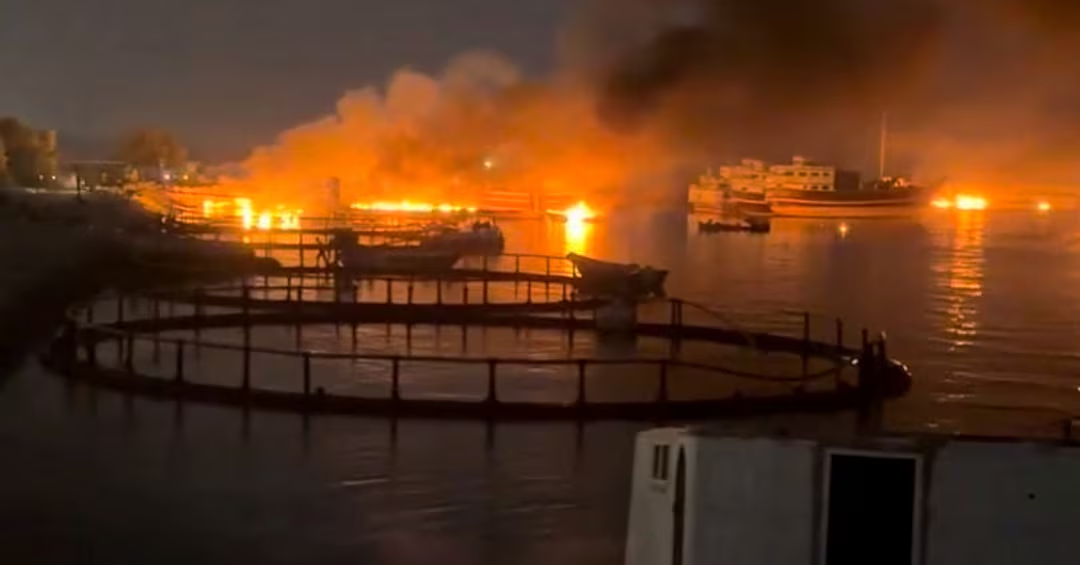
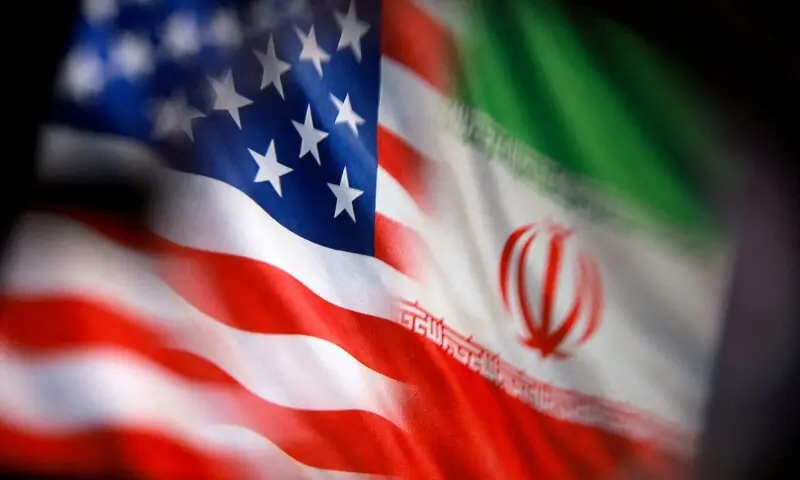
WASHINGTON/TEHRAN: The United States launched a second consecutive day of military strikes against Iranian targets, prompting Tehran to retaliate with attacks on U.S. military installations in Kuwait and Bahrain, marking a sharp escalation in tensions across the Gulf region.
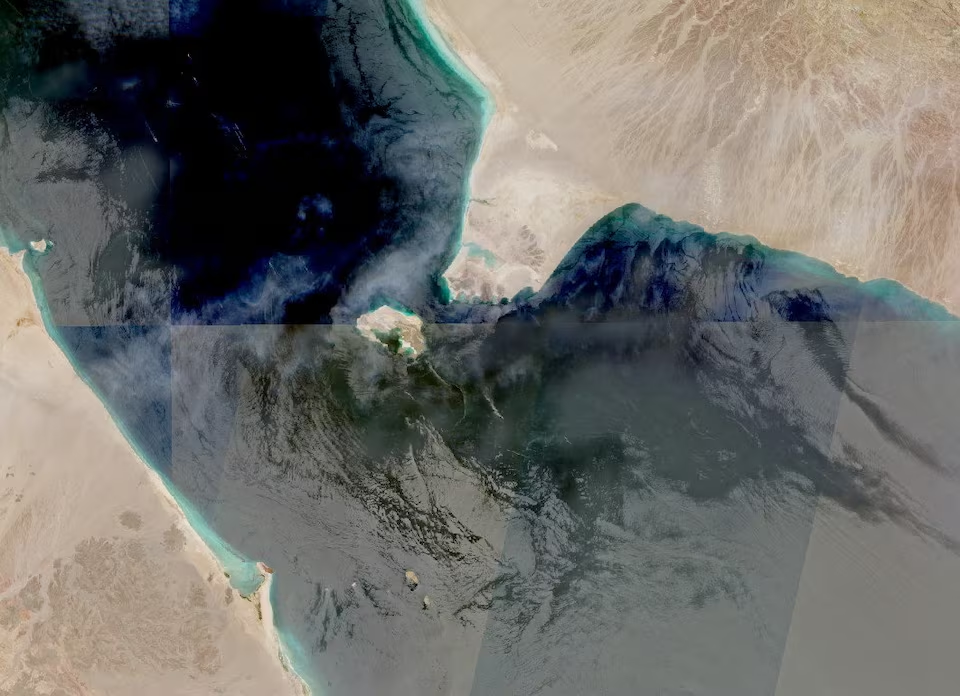
According to the U.S. Central Command (CENTCOM), the latest strikes targeted Iran’s military infrastructure to ensure the security of commercial shipping through the strategic Strait of Hormuz following recent attacks on cargo vessels transiting the waterway.
The renewed military action came hours after U.S. President Donald Trump declared that the interim ceasefire with Iran was effectively “over,” accusing Tehran of undermining efforts to restore regional stability. Washington said the operation was carried out in response to attacks on commercial ships in the Strait of Hormuz earlier this week.
Iran responded by launching missiles and drones targeting U.S. military sites in Kuwait and Bahrain. Authorities in both Gulf states activated emergency measures, while Bahrain issued public safety advisories as air raid sirens sounded across parts of the country.
The latest exchange of strikes has further jeopardized diplomatic efforts aimed at ending months of conflict between Washington and Tehran. Analysts warn that continued hostilities could threaten maritime security in the Strait of Hormuz, through which nearly one-fifth of the world’s oil and liquefied natural gas supplies pass.
Global energy markets reacted cautiously to the renewed fighting, with oil prices fluctuating amid concerns over potential disruptions to Gulf shipping routes. Shipping companies and insurers are also reassessing risks as military activity intensifies in the region.
Diplomatic observers say the latest escalation significantly complicates prospects for renewed negotiations between the United States and Iran, despite indications from both sides in recent weeks that dialogue could resume under international mediation.