 11
11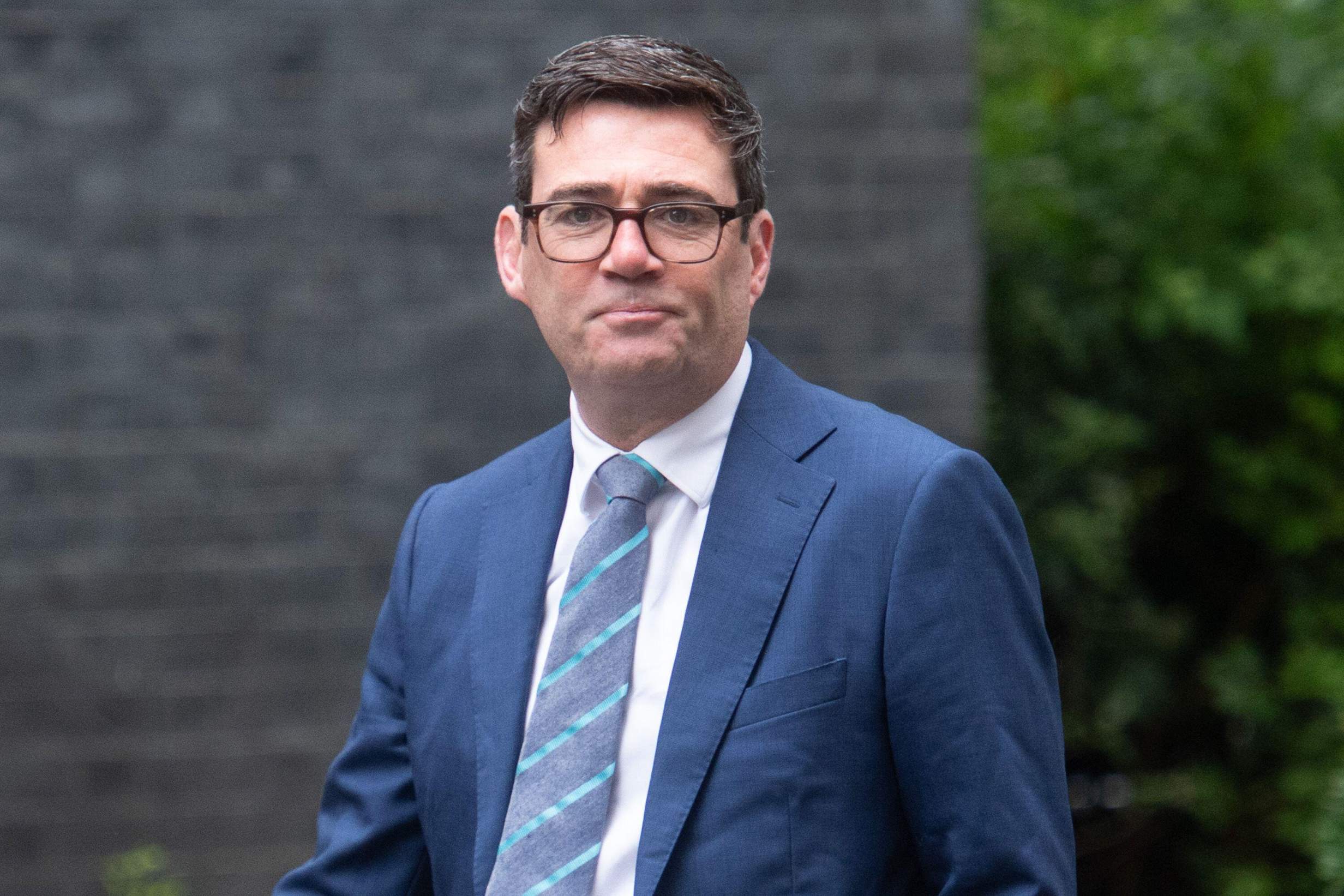
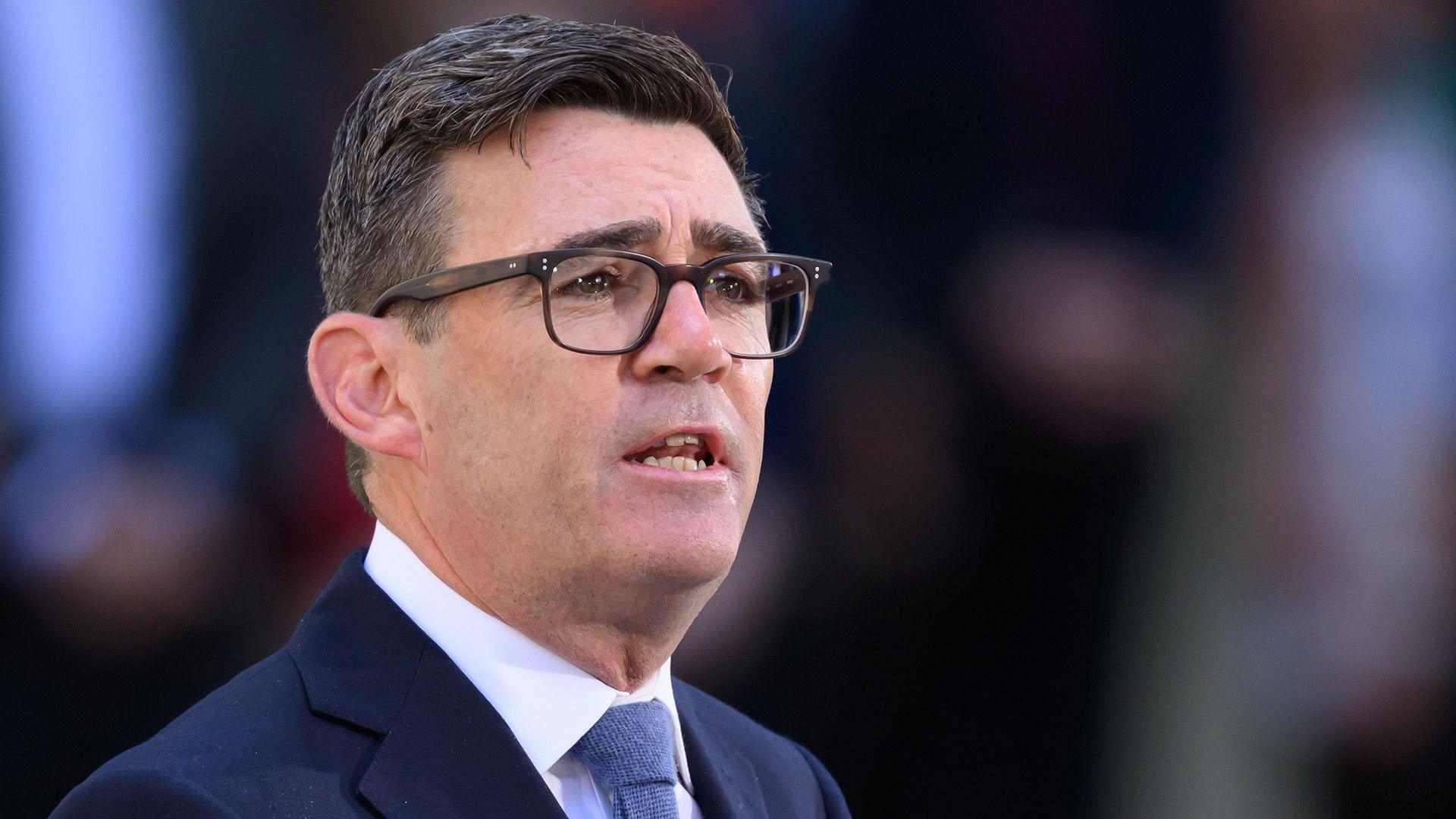
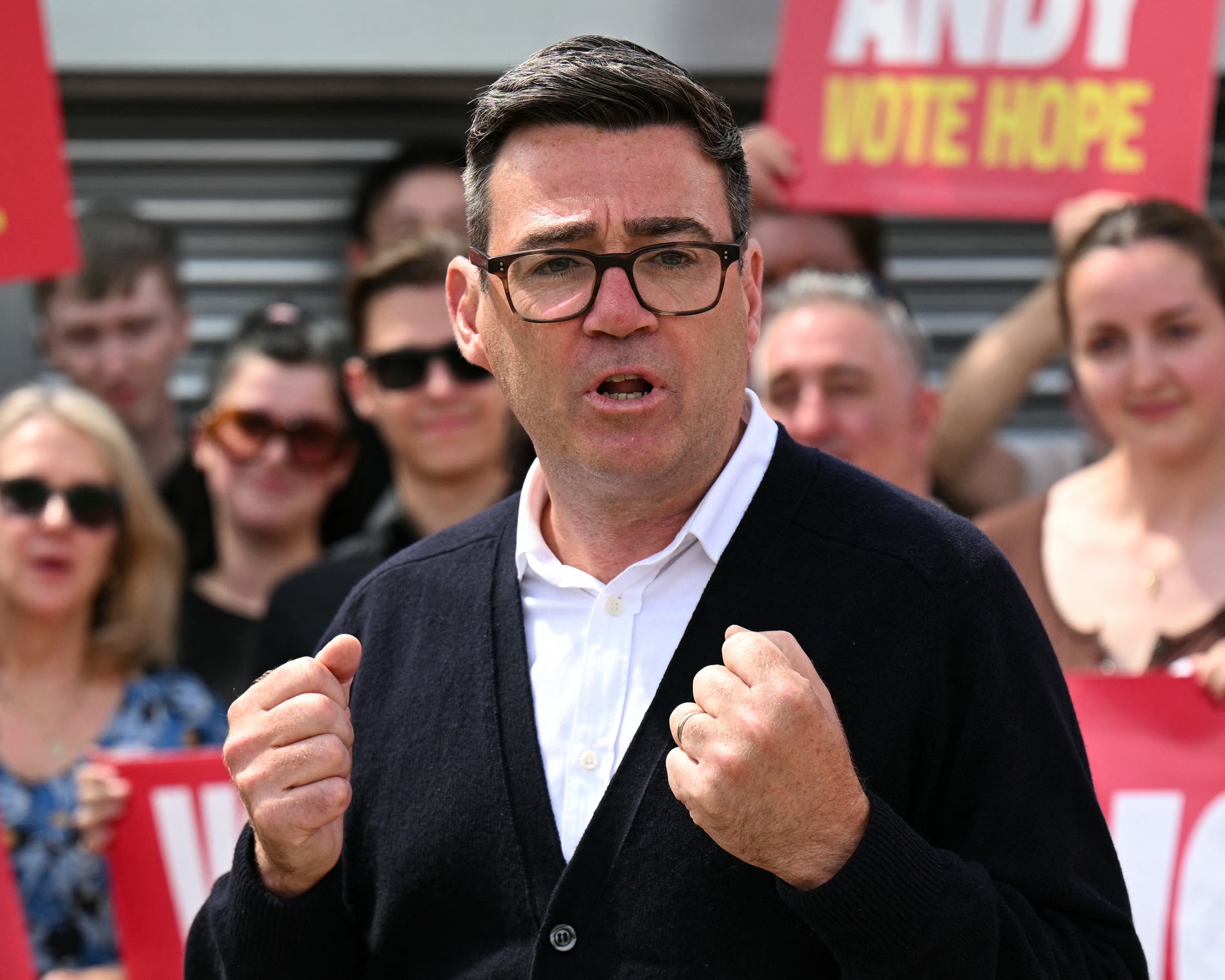
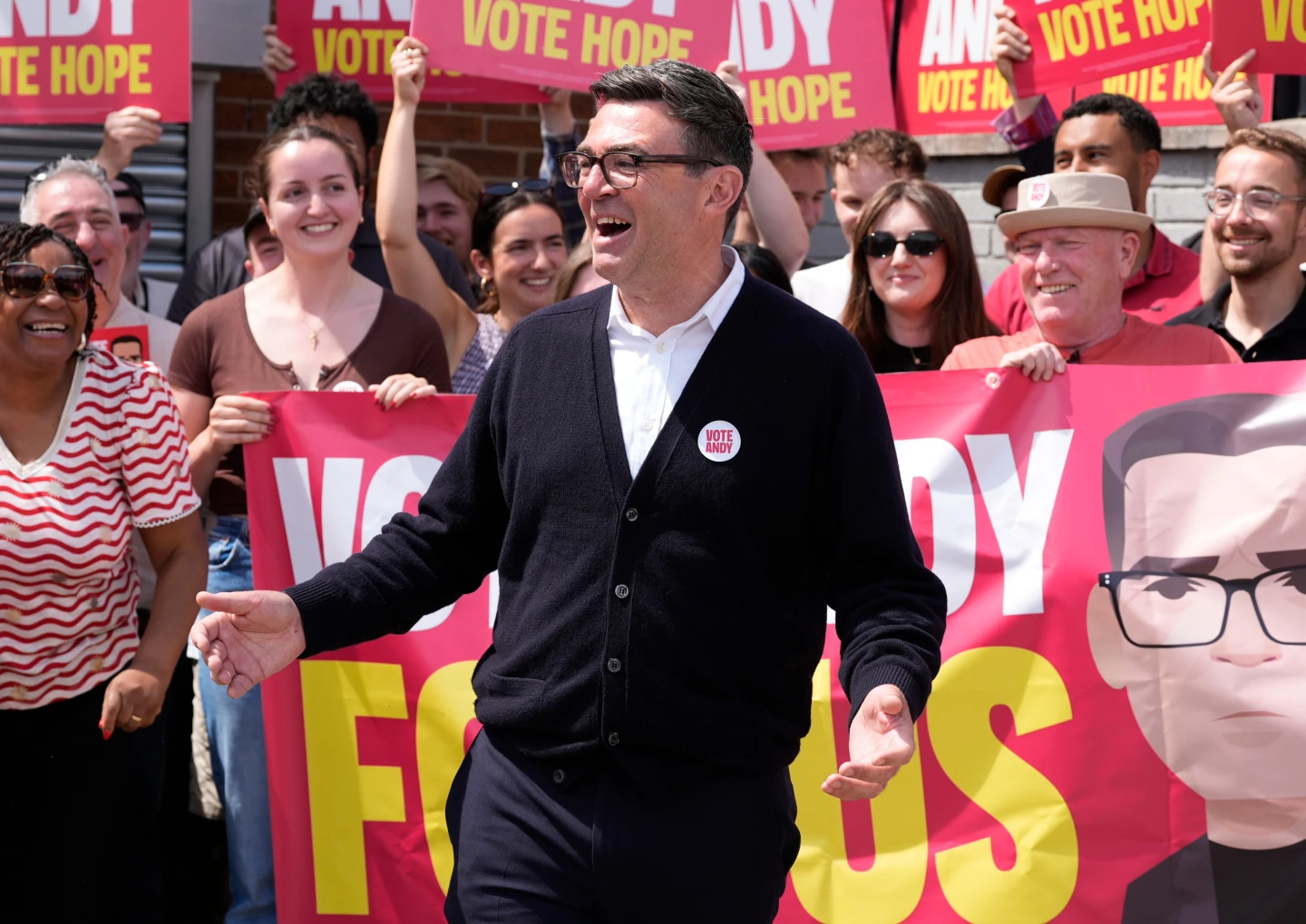
LONDON: Britain’s prime minister-in-waiting, Andy Burnham, has pledged to strengthen the country’s military capabilities and rebuild its defence industry, arguing that the United Kingdom must prepare for an increasingly dangerous and unpredictable global security environment.
In an article published in The Times, Burnham said his government would focus on restoring Britain’s “hard power” by increasing investment in domestic defence manufacturing, modernising military capabilities, and linking defence spending to economic regeneration in struggling industrial regions.
Burnham, who is expected to succeed Prime Minister Keir Starmer later this month as leader of the governing Labour Party and the UK’s next prime minister, said global instability—including Russia’s war in Ukraine, the conflict involving Iran, and rising cyber threats—underscores the need for Britain to strengthen its national security and strategic resilience.
The incoming leader said future defence procurement should prioritise British companies wherever possible, arguing that increased military spending should not only enhance national security but also create jobs, support advanced manufacturing, and contribute to the country’s broader economic recovery. He also pledged greater transparency and parliamentary oversight of major defence projects.
Burnham reaffirmed Britain’s commitment to NATO and said his administration would work more closely with European partners, particularly France and Germany, on defence cooperation and wider security challenges. He also expressed support for advancing discussions with the European Union on issues including illegal migration and economic security.
Despite having limited foreign policy experience, Burnham confirmed that National Security Adviser Jonathan Powell would remain in his post to ensure continuity in Britain’s security and diplomatic strategy during the transition.
Burnham’s remarks come as Britain prepares for another leadership transition amid heightened geopolitical tensions and growing calls for European nations to assume greater responsibility for their own defence and security.