 11
11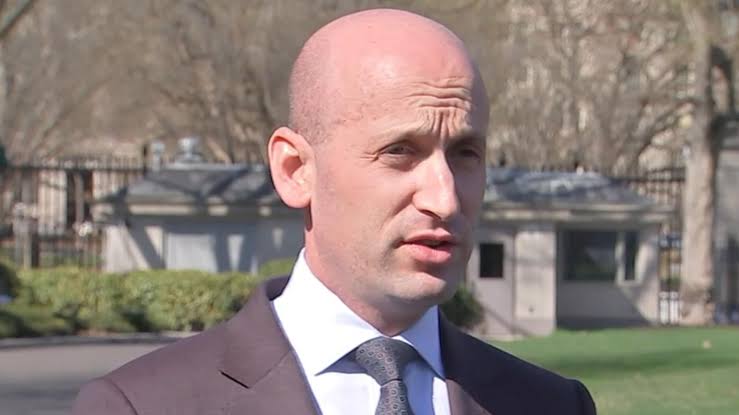
Political speeches have always shaped public opinion, inspired movements, and framed national priorities. But when the language of politics increasingly portrays ideological opponents as existential threats rather than legitimate competitors, democracies face a deeper challenge than policy disagreements—they confront a crisis of civic trust.
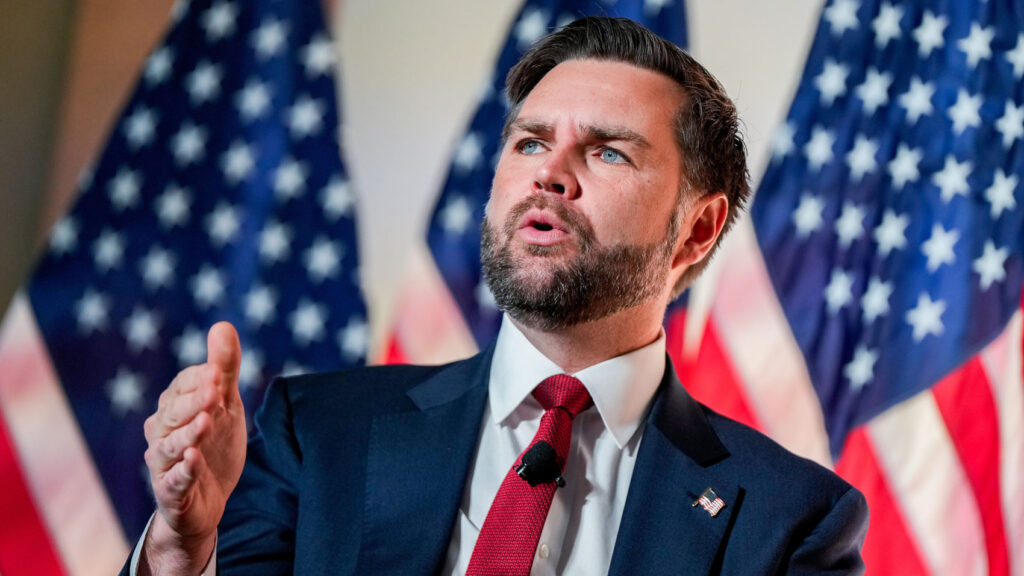
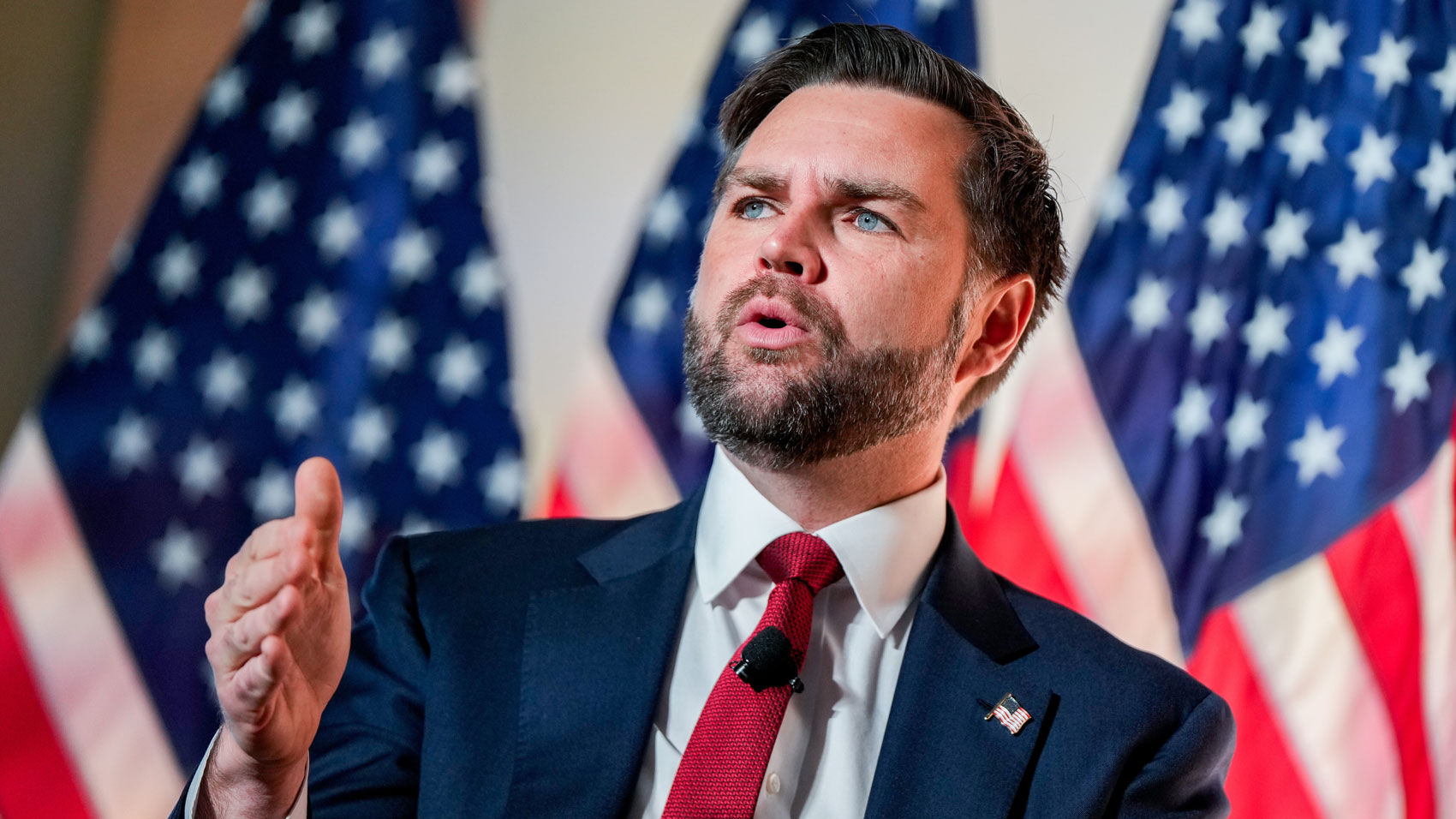
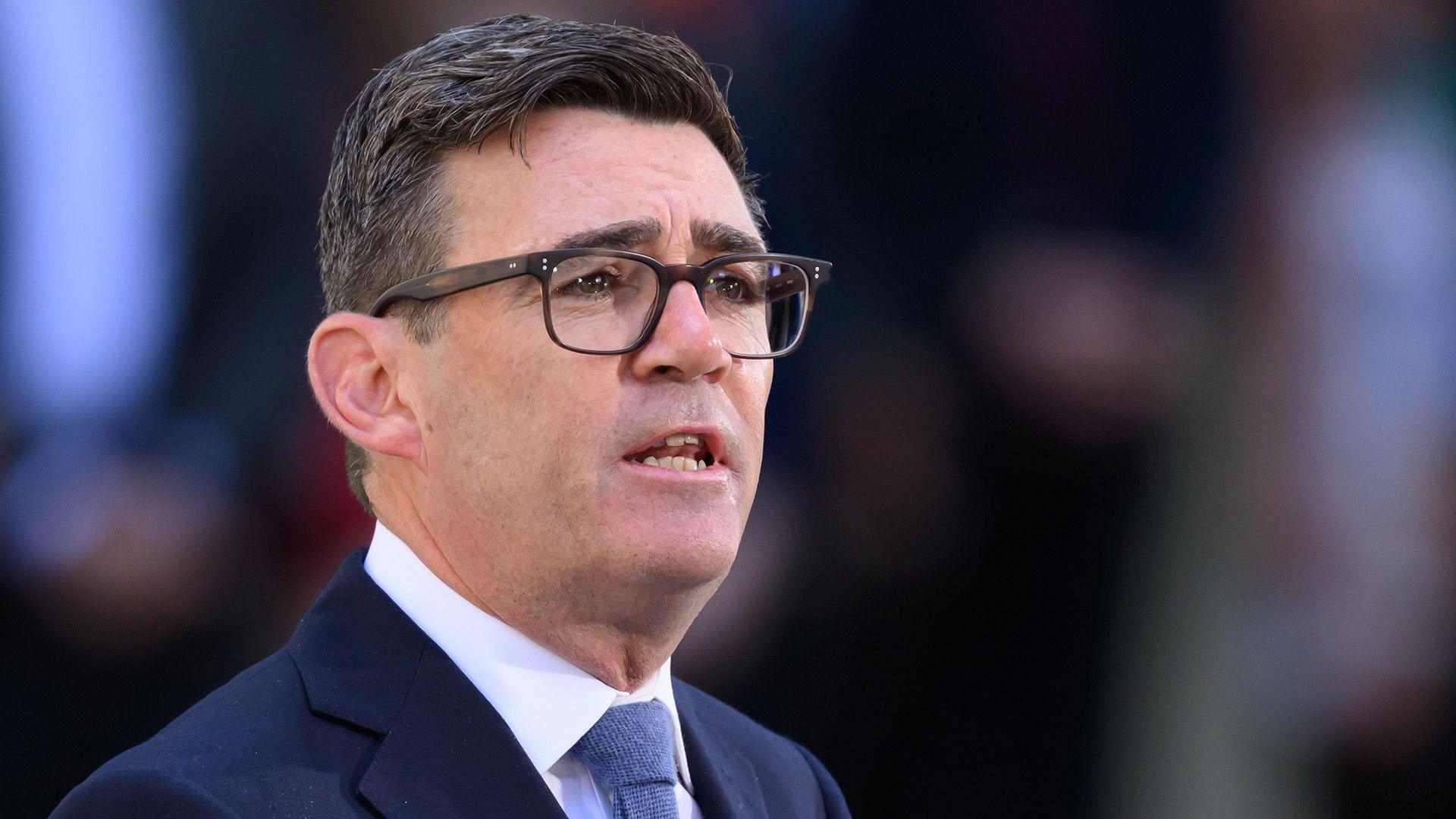
That three speeches delivered by senior U.S. officials on a single day—including President Donald Trump, Secretary of State Marco Rubio, and White House Deputy Chief of Staff Stephen Miller—reflect an alarming shift in American political discourse. According to the author, the speeches collectively questioned electoral legitimacy, characterized left-wing political movements as enemies of civilization, and used rhetoric that risks further polarizing an already divided nation.
The concern extends beyond the political positions themselves. Democracies rely on an unwritten principle that opposing parties are legitimate participants in the constitutional process. When political rivals are increasingly portrayed as existential enemies, compromise becomes politically costly and governance more difficult. History demonstrates that democracies are strongest when electoral competition remains vigorous but peaceful, and when institutions—not personalities—retain public confidence.
Supporters of the administration argue that the changing security environment justifies stronger language. They point to political violence, social unrest, and ideological extremism as reasons for adopting a more assertive stance against groups they believe threaten public order. Recent policy initiatives emphasizing counterterrorism efforts focused on far-left extremist organizations reflect that broader strategy.
Critics, however, contend that broad political labels risk conflating lawful dissent with extremism. They warn that expanding the definition of political threats without clear evidence could undermine civil liberties, deepen polarization, and erode confidence in democratic institutions. They also argue that repeatedly questioning the integrity of elections without substantiated proof can weaken public faith in the electoral process itself.
Political rhetoric is never merely symbolic. It shapes public expectations, influences institutional behavior, and affects how citizens view one another. Leaders have every right to advocate forcefully for their policies and criticize their opponents. Yet democratic resilience depends on preserving a distinction between robust political disagreement and rhetoric that delegitimizes entire segments of society.
Ultimately, the health of a democracy is measured not by the absence of conflict, but by its ability to manage disagreement through constitutional institutions, peaceful elections, and mutual acceptance of political legitimacy. As ideological divisions continue to widen in many democracies around the world, responsible leadership requires balancing passionate advocacy with language that preserves the democratic space for dissent, debate, and peaceful political competition.