 11
11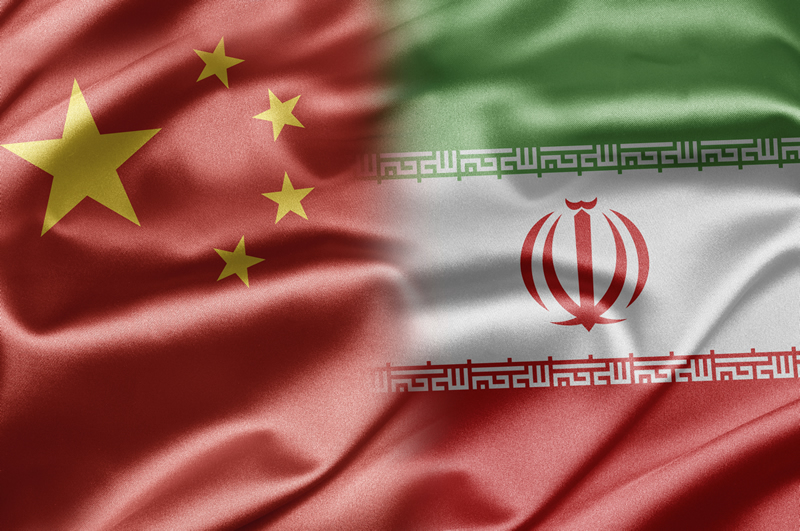
The reported transfer of hundreds of Chinese-made shoulder-fired air defence missile systems to Iran, if confirmed, marks more than a routine arms transaction. It reflects the emergence of a more complex geopolitical landscape in which regional conflicts are increasingly shaped by global power competition rather than by local rivalries alone.
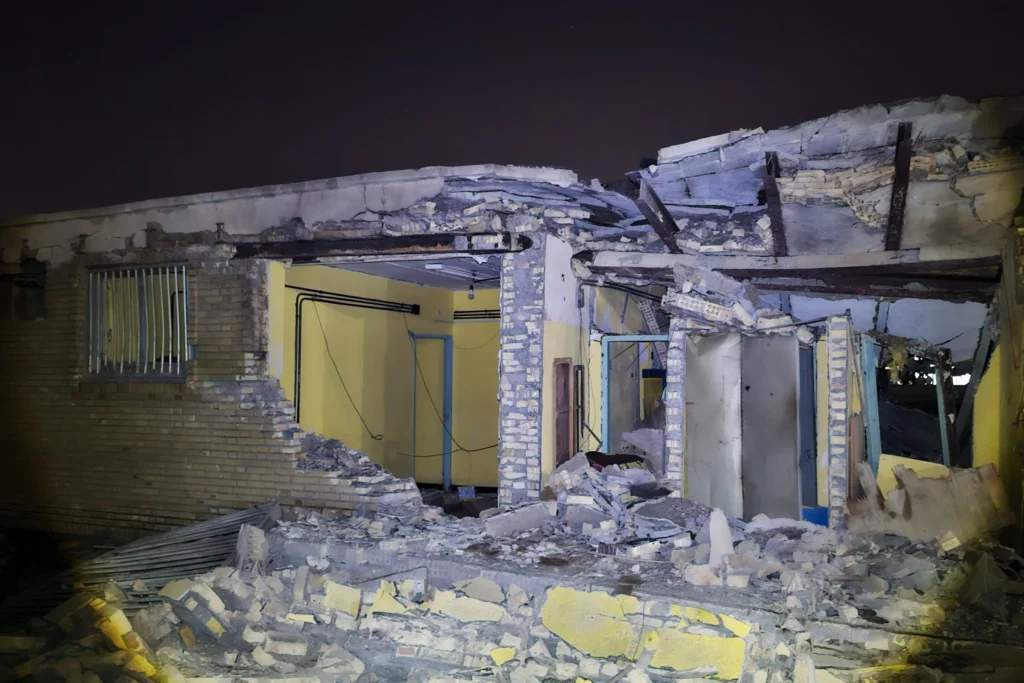
According to Reuters, Iran is expected to receive up to 400 Chinese-made man-portable air-defence systems (MANPADS), including QW-12 and FN-16 launchers, within weeks under a deal valued at approximately $60–70 million. The reported agreement follows the recent conflict involving Iran, Israel and the United States, during which Tehran’s air defence network came under intense pressure.
From a strategic perspective, the reported acquisition illustrates how modern warfare is evolving. Rather than relying solely on expensive, long-range missile shields, countries are increasingly investing in mobile, decentralized air defence systems capable of countering drones, helicopters and low-flying aircraft. Such systems are comparatively inexpensive, easy to deploy and can complicate an adversary’s military planning.
For Iran, strengthening short-range air defence is a logical military objective after vulnerabilities in its defensive infrastructure were exposed during recent hostilities. The reported purchase suggests that Tehran is seeking to rebuild deterrence quickly while reducing dependence on fixed air defence installations that are easier to identify and target.
The broader geopolitical implications may be even more significant. If China is indeed facilitating this transfer, it would reinforce perceptions that Beijing is becoming a more active security player in the Middle East, complementing its expanding economic and diplomatic influence. China has traditionally maintained a cautious approach to regional security disputes, preferring economic engagement over military involvement. Reports of advanced defence cooperation with Iran could therefore attract greater scrutiny from Western governments and regional partners alike.
At the same time, the reported deliveries underscore the growing fragmentation of the international security order. As traditional alliances evolve and strategic competition between major powers intensifies, countries facing sanctions or political isolation are increasingly turning to alternative defence partnerships to modernize their military capabilities.
However, it is important to distinguish between tactical advantage and strategic stability. While portable air defence systems may improve Iran’s ability to defend key assets against aerial threats, they are unlikely to fundamentally alter the regional military balance. Instead, they may contribute to an ongoing cycle in which neighbouring states continue investing in more advanced aircraft, electronic warfare capabilities and stand-off weapons.
Another concern is the potential impact on diplomatic efforts. At a time when tensions between Iran and Western powers remain high, additional military cooperation involving external powers could complicate negotiations over regional security and increase mistrust among rival states. The challenge for policymakers will be preventing a defensive procurement from becoming another catalyst for wider strategic competition.
Ultimately, the reported missile deal should be viewed less as an isolated weapons purchase and more as another indicator of shifting global alignments. The Middle East is increasingly becoming a theatre where international power dynamics intersect with regional conflicts. Whether this trend strengthens deterrence or fuels further instability will depend not only on military capabilities, but also on the willingness of all parties to keep diplomatic channels open.