 11

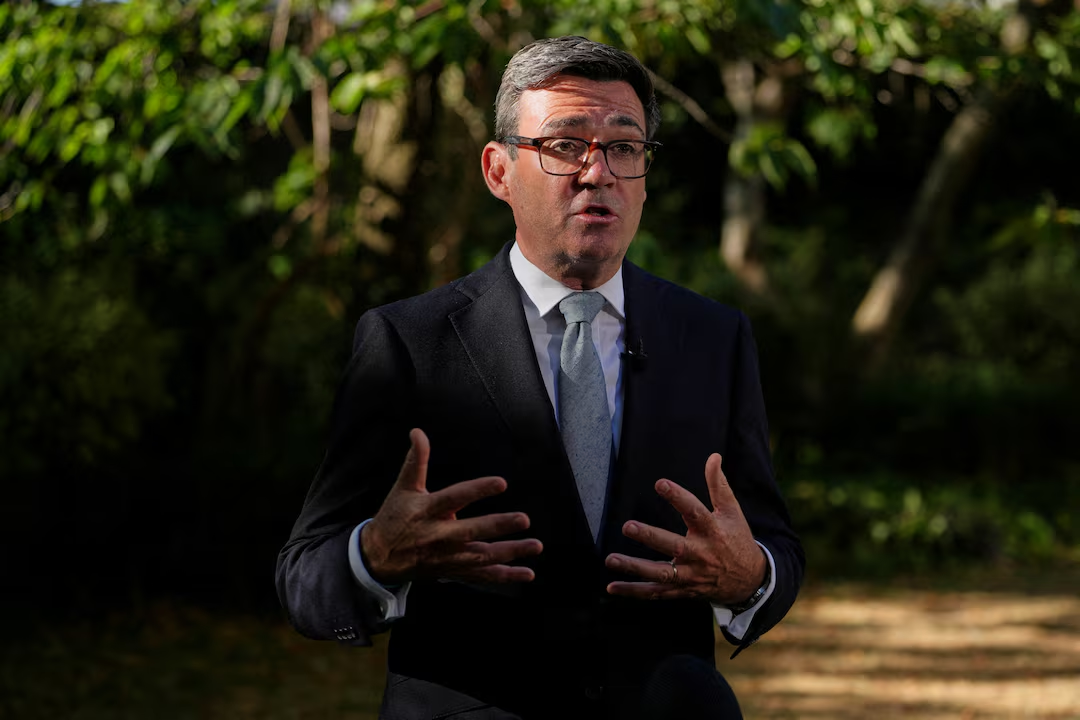
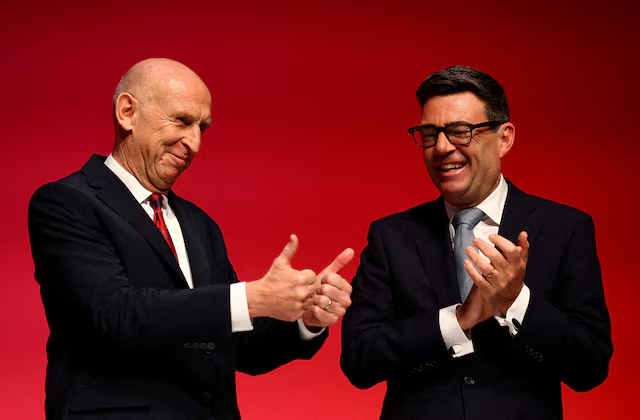
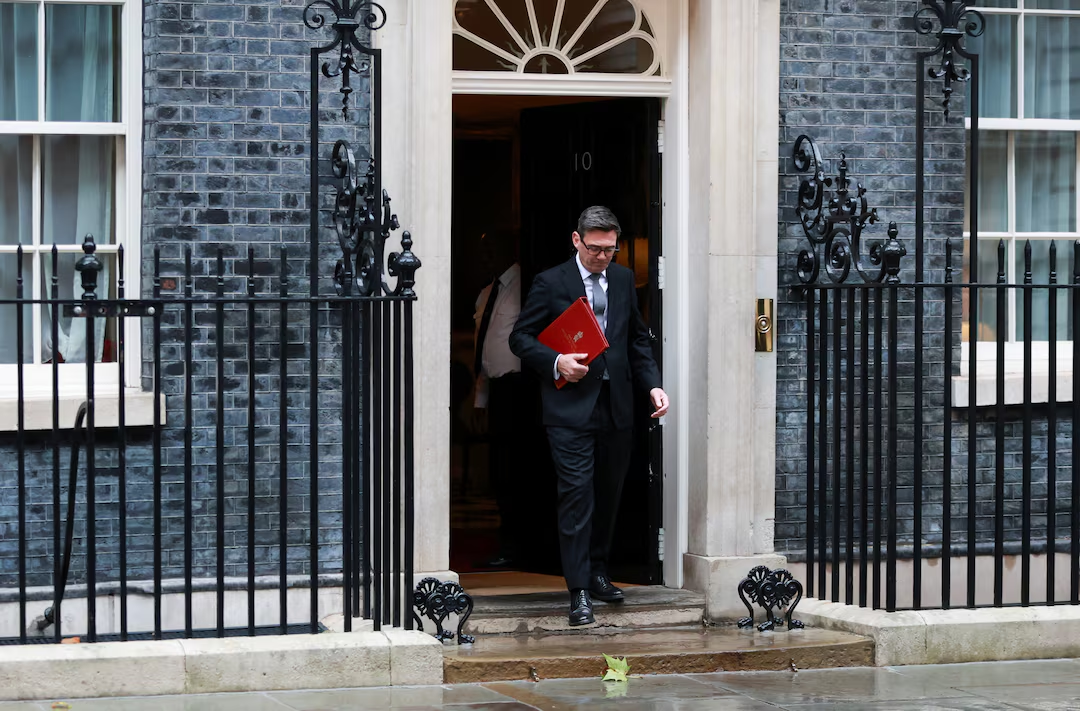
This article highlights a significant transformation in British political communication: young voters are no longer simply an audience for political messages; they are increasingly shaping the way politicians communicate, campaign and build political identity. The rise of Andy Burnham’s TikTok presence illustrates how Labour is attempting to adapt to a political environment in which traditional television interviews, newspaper coverage and parliamentary rhetoric have less influence over younger generations.
The central lesson is that politicians can no longer rely exclusively on conventional media to reach young people. TikTok, Instagram and other short-form platforms have created a more direct relationship between political figures and voters.
Burnham’s approach appears to recognize this shift. Rather than presenting politics solely through formal speeches and policy announcements, his social-media strategy seeks to make political communication more personal, immediate and culturally familiar. This is particularly important for younger audiences who consume news through algorithms and social platforms rather than traditional news bulletins.
This represents a broader change in political campaigning: personality and accessibility can become almost as important as policy presentation.
The attraction of TikTok for a political leader is obvious. A short video can reach millions of people without passing through the editorial filters of traditional media. It can also allow a politician to respond quickly to events and establish a distinctive personal identity.
For Burnham, this creates an opportunity to differentiate himself from the communication style associated with the previous Labour leadership. The Guardian notes that Keir Starmer was the first British prime minister to establish a personal TikTok profile, but struggled to sustain Labour’s initial momentum on the platform.
However, viral communication does not automatically translate into durable political support. A politician may become highly visible online without necessarily persuading voters on taxation, healthcare, housing, employment or foreign policy.
The challenge for Burnham will therefore be to convert digital popularity into political credibility and measurable policy support.
There is an important contradiction at the heart of the strategy.
Burnham’s political rise demonstrates the power of social media, yet his government is simultaneously supporting restrictions on social-media access for under-16s. The UK government announced plans in June for an under-16 social-media ban, with implementation expected in 2027 if legislation passes.
This creates a difficult political balance. Governments increasingly regard social media as a source of misinformation, harmful content and potential risks to children, while political parties simultaneously depend on these same platforms to communicate with voters.
The solution cannot simply be to treat social media as either entirely harmful or entirely beneficial. The real policy challenge is regulating harmful digital environments without destroying their legitimate role in communication, education and political participation.
The deeper significance of the Guardian’s argument is demographic. Young people are not merely future voters; they are an increasingly important political constituency whose political identities are being formed in an entirely different media environment from previous generations.
For Labour, this creates both an opportunity and a warning.
A successful TikTok strategy can make the party appear younger, more accessible and more culturally relevant. But if online engagement becomes disconnected from economic realities facing young people — housing affordability, wages, employment, education and the cost of living — social-media popularity could prove superficial.
Recent government attention to youth unemployment reinforces this point: digital communication may attract young voters, but economic opportunity is ultimately more powerful than political content.
Burnham’s social-media strategy should therefore be understood as more than a communications experiment. It is part of a wider transformation in how democratic politics operates.
Political leaders increasingly need to master two different worlds simultaneously:
The politicians most capable of connecting these two worlds may have a significant advantage.
Yet there is a fundamental risk: politics could become increasingly driven by what performs well online rather than what works in government.
For Burnham, the test will ultimately be whether TikTok can become a bridge between government and young citizens rather than merely another platform for political branding. His early success suggests that the medium can generate attention; the harder task will be demonstrating that this attention can be converted into trust, participation and tangible improvements in young people’s lives.
Conclusion: The rise of the “TikTok politician” marks a profound change in political communication. Andy Burnham appears to understand that winning the attention of younger voters requires speaking their digital language. But the long-term success of this strategy will depend not on views or viral clips, but on whether digital engagement is matched by credible policies and results.