 11
11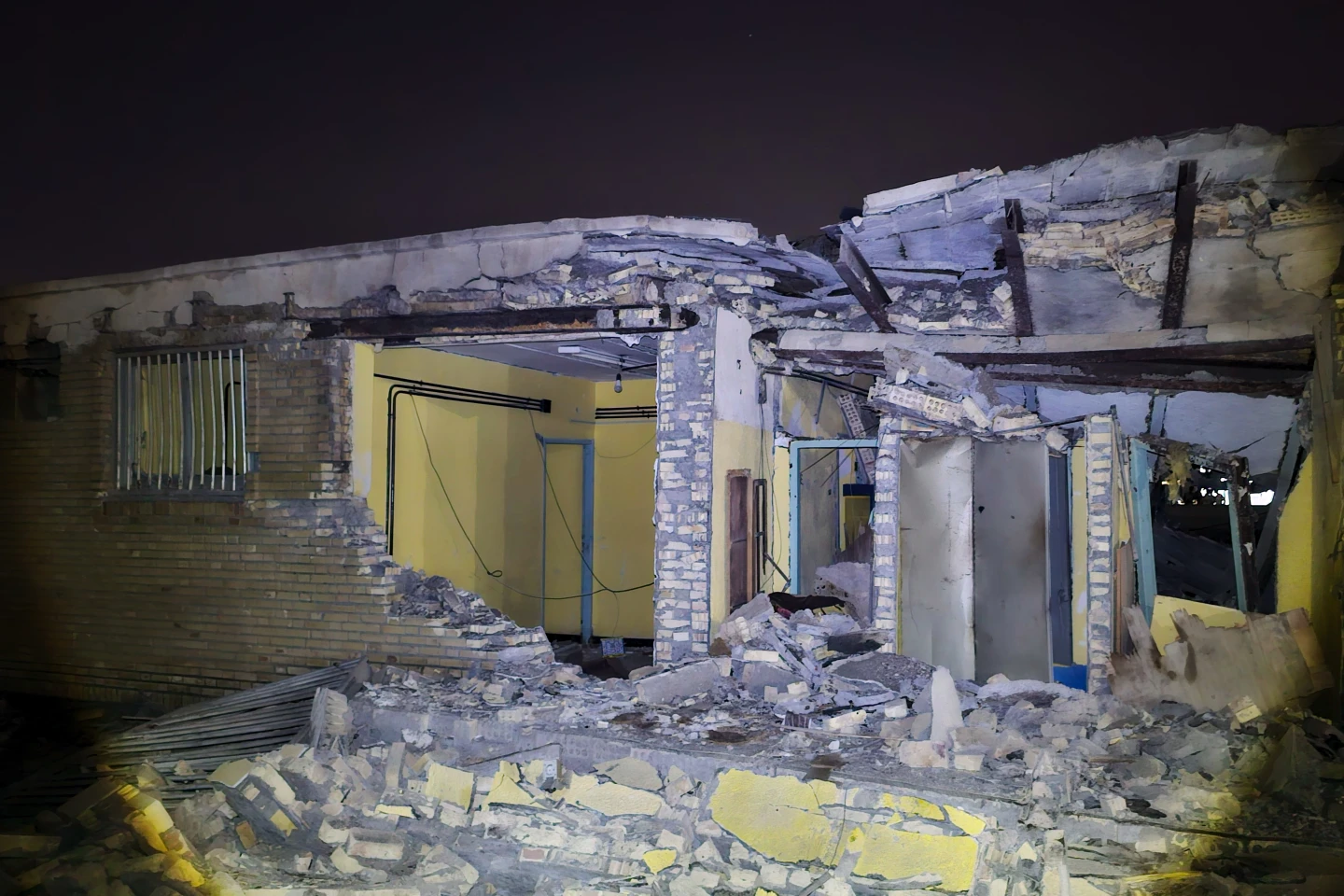
DUBAI: Iran launched missile and drone attacks against several U.S. allies in the Gulf on Wednesday, escalating regional tensions following renewed American strikes on Iranian military targets and ending a month-long lull in direct hostilities between Washington and Tehran.
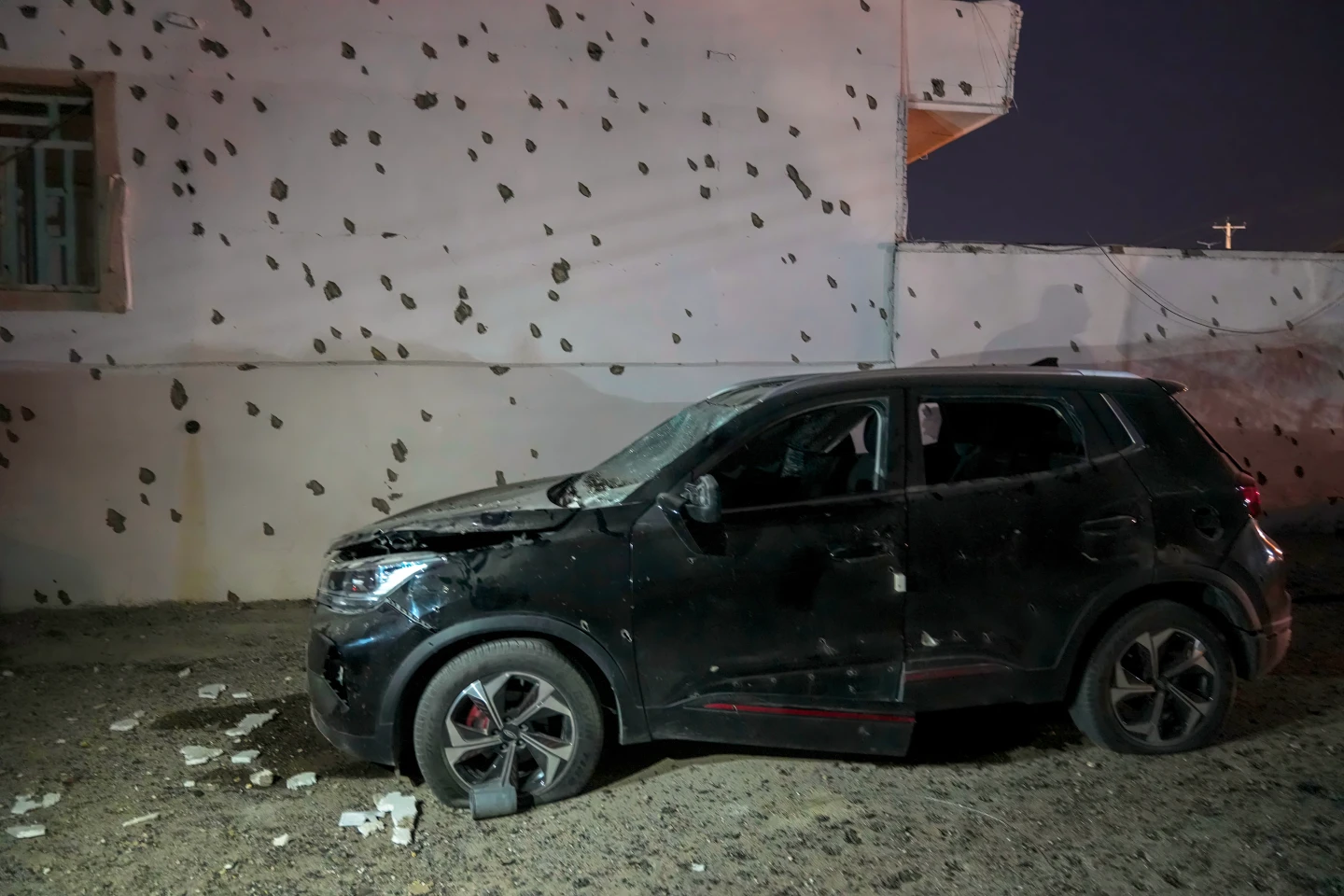
Iranian forces targeted U.S. military positions and other sites across the region, with attacks reported in Jordan, Kuwait and Bahrain. Several of the incoming missiles and drones were intercepted by regional air defense systems. Kuwait also reported that an Iranian drone struck a residential complex in the capital, causing a fire, although no casualties were reported.
The escalation followed U.S. strikes on Iranian military facilities, including air defense systems, radar installations and maritime assets. Washington said the operations were aimed at countering Iranian threats to American forces and commercial shipping in the Middle East.
Iranian officials also reported civilian casualties following a U.S. strike on a home hosting a wedding in Kuhestak, southern Iran. According to Iranian authorities cited by AP, at least five people, including two women and two children, were killed and dozens more wounded. The U.S. military said it does not target civilians.
The renewed fighting has further complicated efforts to restore a ceasefire and revive negotiations between the two countries. Pakistan, which has been involved as a mediator, said it remains engaged with both Washington and Tehran in efforts to facilitate a diplomatic resolution.
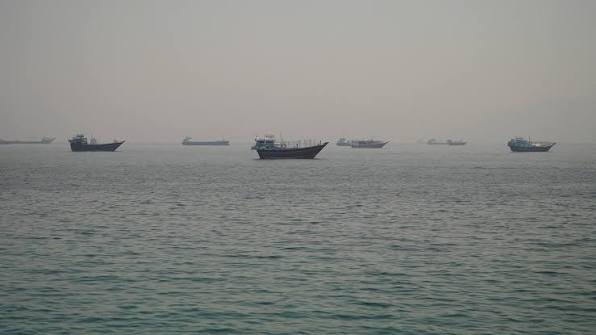
The Strait of Hormuz remains a major flashpoint. The strategically important waterway, through which roughly one-fifth of global traded oil previously passed, has remained largely disrupted since the conflict intensified. The latest escalation has pushed Brent crude prices above $95 a barrel, adding to concerns over global energy markets and economic stability.
U.S. President Donald Trump has warned that Iran would face a stronger response if it retaliates against the latest American strikes. He has also maintained that Washington has significant control over the Strait of Hormuz, while Tehran has continued to reject pressure to accept terms without reciprocal measures.
The renewed confrontation raises concerns that the prolonged conflict could escalate further, with regional governments, international markets and global shipping closely monitoring developments around the Gulf and Strait of Hormuz.