 11
11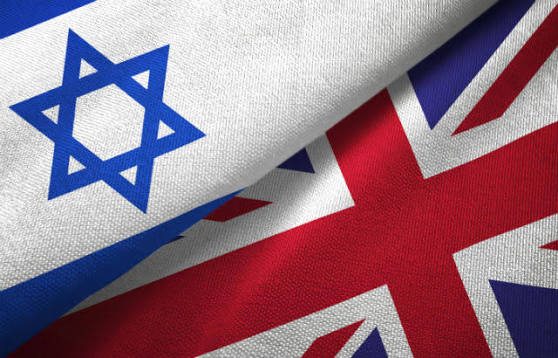
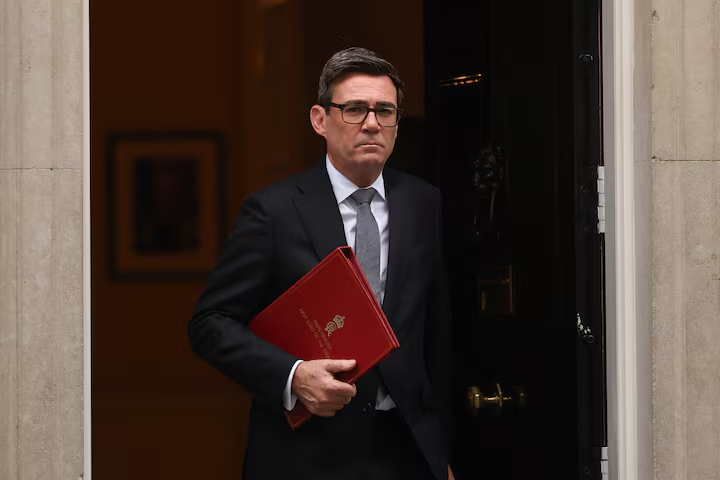
LONDON — The United Kingdom has announced a major shift in its policy towards Israel, with Foreign Secretary Ed Miliband declaring that Britain will ban trade in goods from Israeli settlements in the occupied West Bank and impose wider sanctions on entities supporting or deepening the occupation.
Addressing the House of Commons, Miliband said the British government now regards Israel’s occupation of the West Bank as unlawful and described escalating settler violence against Palestinians as “ethnic cleansing.” He said the measures were intended to uphold international law and preserve the prospects of a two-state solution.
The proposed trade restrictions will target goods originating from settlements considered illegal under international law, while sanctions will also be expanded to companies and other entities involved in supporting or entrenching the settlement enterprise. Miliband said the trade ban could take between six and nine months to come into force, although the government would seek to accelerate the process.
Britain also announced that arms exports to Israel that contribute to the occupation will be prohibited. However, Miliband said the UK would continue participating in the F-35 programme, arguing that ending Britain’s involvement would undermine a defence programme considered important to NATO.
The move was coordinated with France and Canada, while nine other European countries — Denmark, Finland, Iceland, Ireland, Norway, Poland, Portugal, Spain and Sweden — joined a statement saying they were considering national or European restrictions on trade with Israeli settlements.
Israel responded by announcing retaliatory measures. Foreign Minister Gideon Sa’ar said the British consulate in Jerusalem would be closed and that Britain would no longer participate in the US-led Gaza coordination mission in Israel. Israel also announced entry bans on 12 British nationals, while British personnel would no longer be permitted to train Palestinian Authority forces in the West Bank under the British Support Team in Ramallah.
The measures have generated strong reactions in Britain. Supporters welcomed the government’s decision as a response to settlement expansion and violence, while Conservative figures criticised the policy as counterproductive. Some Jewish organisations also expressed concern over what they described as an increasingly punitive approach towards Israel.
The United States has also warned that the British measures could have implications for bilateral relations and trade. The latest developments therefore mark a significant new strain in Britain’s relationship with Israel and come amid continuing international efforts to address the Gaza conflict and preserve the possibility of a negotiated two-state settlement.