 11
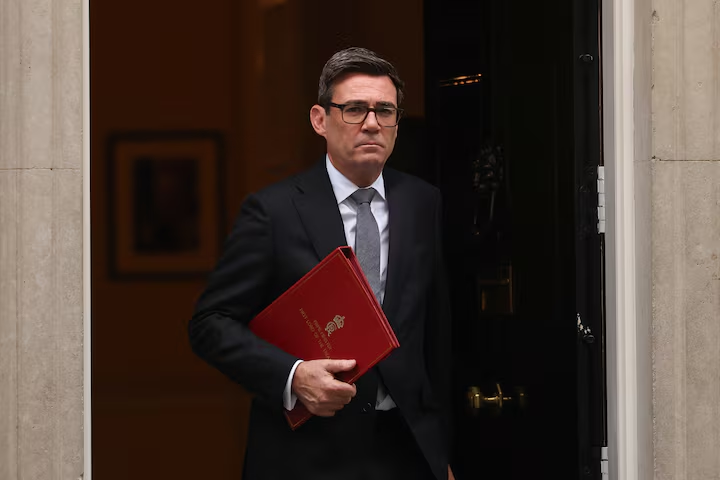
LONDON: British Prime Minister Andy Burnham said on Friday that his government will help businesses save almost £800 million (about $1 billion) a year by reducing paperwork and extending the suspension of import tariffs on a range of goods.
The announcement comes ahead of the government’s first annual Budget, which Chancellor of the Exchequer John Healey will present next week. Burnham said the measures are intended to give businesses room to grow. Healey said British firms are tired of form-filling and unnecessary paperwork that takes time and money away from running their businesses.
According to HM Treasury, the largest saving, estimated at £290 million a year, will come from simpler compliance guidance and streamlined reporting requirements, especially for small firms. Import tariff suspensions on more than 250 products used by businesses will be extended, saving up to £155 million a year. These suspensions cover sectors including chemicals, plastics, automotive, and food and beverages. They were due to expire at the end of December and will now run for another year, following a public consultation.
Other measures include cutting duplicate reporting requirements for asset management firms, which the government estimates will save £105 million a year, and streamlining the home buying and selling process, which will remove about £116 million in annual costs for businesses involved in property transactions. The government said companies that are part of larger national groups could save up to £20,000 a year each.
The package also includes a “tell us once” approach, so businesses only have to submit the same information to official bodies once. Plans to require the smallest businesses to file full profit and loss accounts will be paused. Businesses will also find it easier to locate guidance on GOV.UK, and small firms will get a channel to report regulations they consider disproportionate.
The government said it has accepted most of the recommendations of its Small Business Taskforce, a panel of business groups and entrepreneurs set up to examine the regulatory burden. The measures form part of a wider pledge to cut the administrative cost of regulation for businesses by 25 percent by the end of the current Parliament.