 11
11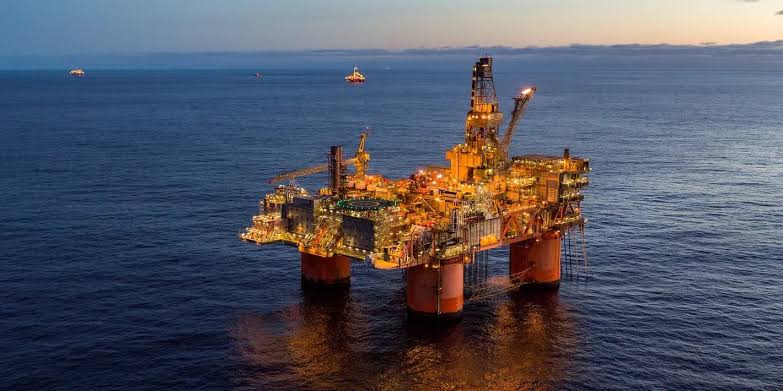
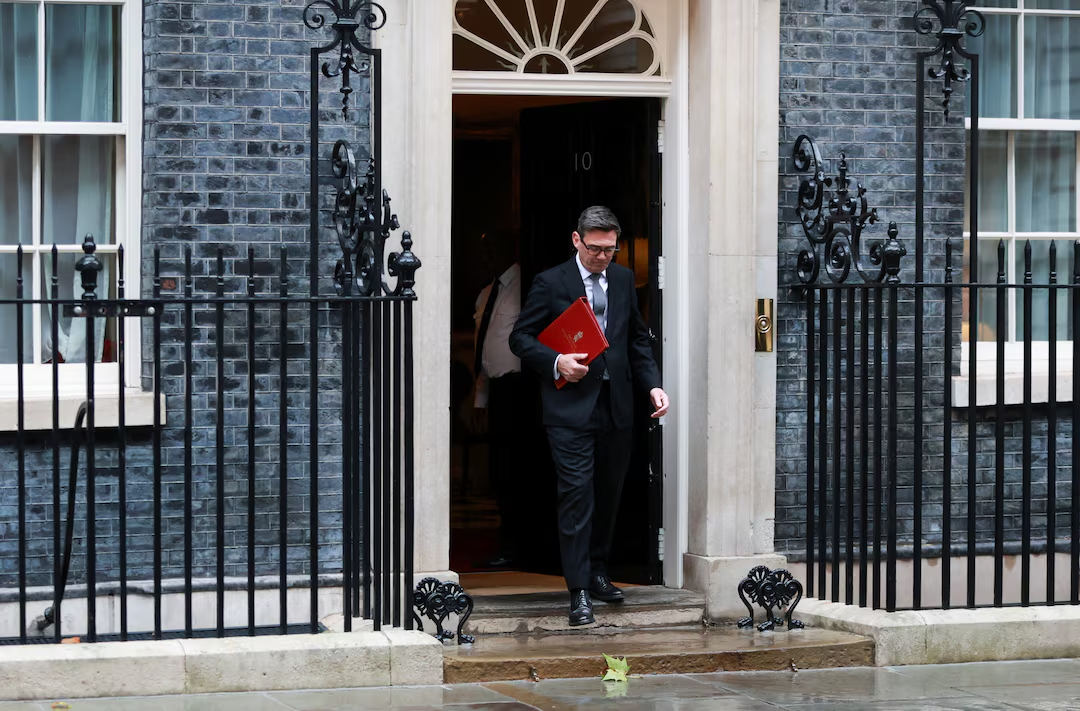
Britain’s renewed debate over North Sea oil and gas drilling has emerged as a significant political and environmental challenge for Prime Minister Andy Burnham’s Labour government, highlighting tensions between energy security, economic growth and the country’s climate commitments.
The government’s consideration of further offshore oil and gas developments, including the Jackdaw gasfield and Rosebank oilfield, has intensified questions about whether expanding fossil-fuel production can deliver meaningful economic benefits while remaining compatible with Britain’s long-term emissions-reduction objectives.
A key argument surrounding the projects concerns their relatively limited contribution to employment and domestic energy supplies. Critics contend that the number of direct jobs associated with individual developments is modest compared with the wider employment potential of renewable energy, clean technology and low-carbon infrastructure.
Energy security is another central consideration. While additional North Sea production could reduce some reliance on imported fuels, the contribution of individual fields to Britain’s overall energy requirements would remain limited. The impact on household energy bills could also be smaller than supporters of new drilling suggest, given the structure of international energy markets.
The climate implications are potentially more significant. Britain has sought to maintain an international reputation as a leader in efforts to reduce greenhouse-gas emissions. Approving new oil and gas projects could therefore create a difficult contradiction between the government’s climate objectives and its energy policy.
For Burnham, the issue also carries important electoral consequences. Reform UK has increasingly focused on energy costs, domestic production and opposition to policies it considers harmful to British industry. Labour may face pressure to demonstrate that it can address concerns about energy affordability and economic security without allowing Reform to dictate its broader policy agenda.
However, moving too far toward fossil-fuel expansion could create difficulties on Labour’s progressive flank. Environmental voters and supporters of renewable energy could become increasingly receptive to the Greens if they believe Labour is weakening its climate commitments.
The international dimension adds another layer of complexity. The policies of US President Donald Trump, who has strongly supported expanded oil and gas production, could influence the broader transatlantic energy debate. Nevertheless, aligning British policy too closely with external political pressures could raise questions about the country’s independent climate and energy strategy.
The fundamental economic question is whether continued investment in North Sea fossil fuels represents the most effective use of Britain’s resources. Supporters argue that domestic production can protect jobs, strengthen energy resilience and generate economic activity. Opponents counter that the country would gain greater long-term benefits by directing investment toward renewable power, grid infrastructure, energy efficiency and emerging clean industries.
The controversy therefore extends beyond individual oil and gas fields. It reflects a wider strategic choice for Labour over how Britain should manage the transition from a fossil-fuel-dependent economy toward a lower-carbon energy system while responding to immediate economic and political pressures.
For Burnham’s government, the challenge will be to reconcile energy security and economic growth with credible climate action. A policy that seeks to satisfy competing political constituencies may provide short-term advantages, but its long-term success will depend on whether it can offer households and businesses affordable energy while establishing a clear direction for Britain’s future energy economy.