 11
11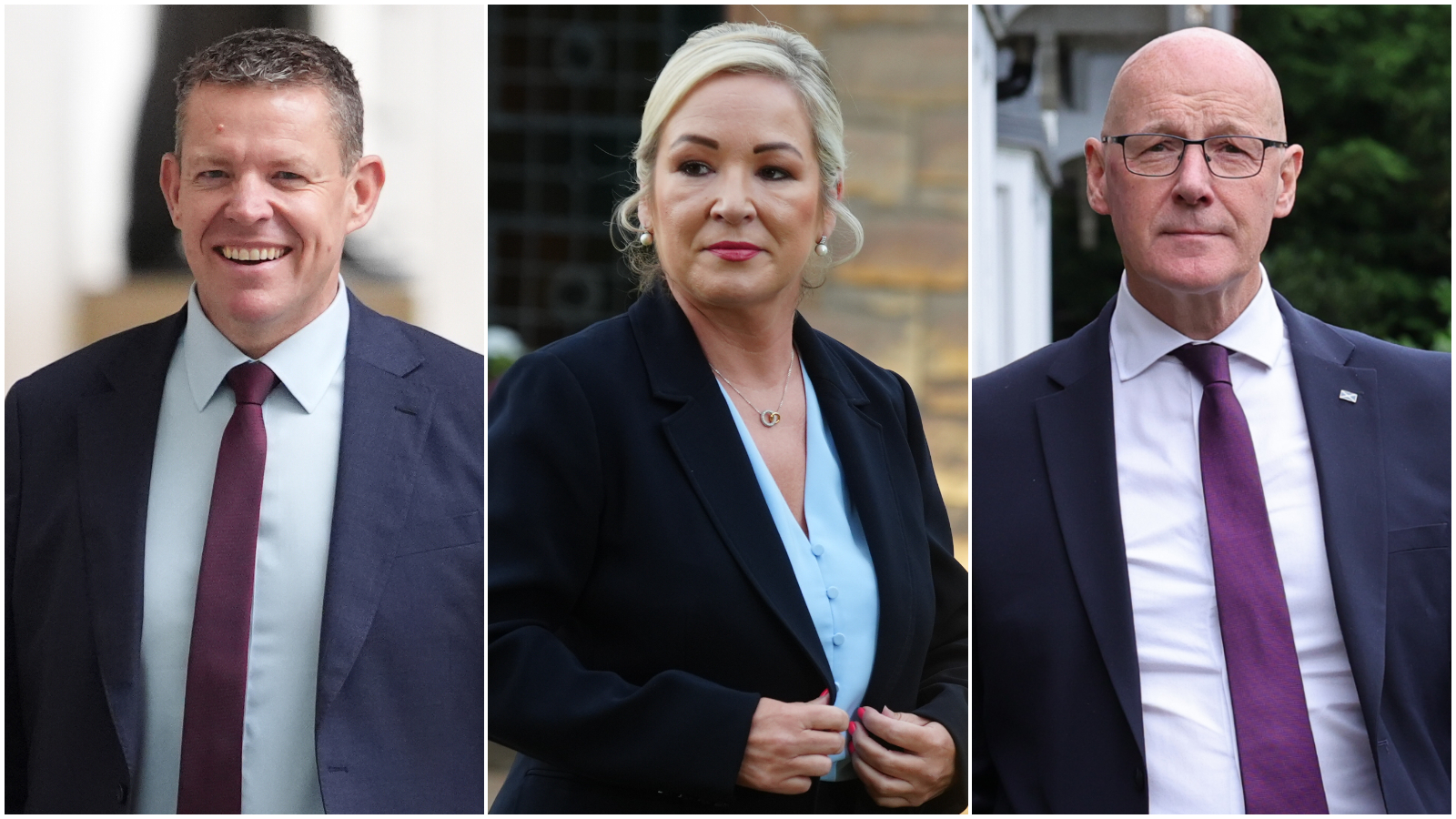
CARDIFF: The first ministers of Scotland, Wales and Northern Ireland have signed a memorandum of understanding affirming their nations’ right to determine their own constitutional futures, putting renewed pressure on the UK government to facilitate a possible path toward independence.
Scottish First Minister John Swinney, Welsh First Minister Rhun ap Iorwerth and Northern Ireland First Minister Michelle O’Neill joined the initiative in Cardiff, where their parties — the Scottish National Party, Plaid Cymru and Sinn Féin — called for greater cooperation and democratic self-determination. The leaders stressed that constitutional change should ultimately be determined by the people of each nation.
The agreement represents an unusual display of unity among pro-independence forces across the United Kingdom. While Scotland and Northern Ireland are seeking clearer routes toward independence-related votes, Plaid Cymru has taken a more cautious position on the timing of an independence referendum in Wales. The parties nevertheless agree on the principle that Westminster should not prevent the devolved nations from determining their constitutional futures.
Swinney has continued to argue that Scotland should have the democratic right to choose whether to become independent. The Scottish National Party has made another independence referendum a central political objective, although the party did not secure an overall majority in the May 2026 Scottish Parliament election. Under the current constitutional framework, the UK Supreme Court has ruled that the Scottish Parliament cannot unilaterally legislate for an independence referendum.
In Wales, ap Iorwerth has called for a different approach to the relationship between Westminster and the devolved administrations, including greater powers and fairer funding. Plaid Cymru has also advocated transferring authority over the timing and process of a potential independence referendum to Wales.
Northern Ireland has a distinct constitutional mechanism under the Good Friday Agreement, which provides for a referendum on Irish reunification when the required conditions are met. Sinn Féin has increasingly argued that preparations for such a vote should begin, while emphasizing that the constitutional future of the island should ultimately be decided democratically.
The initiative presents a significant political challenge for Prime Minister Andy Burnham, whose government has emphasized devolution but has rejected calls for immediate independence referendums. The UK government has said it was elected with a commitment not to support Scottish independence or another Scottish referendum, arguing that its focus should remain on economic growth, living costs, public services and national security.
The debate has gained additional momentum following recent comments by US President Donald Trump supporting Irish reunification. Trump has said he would reserve his views on Scottish independence for another time, adding another international dimension to an increasingly prominent constitutional debate within the United Kingdom.
Despite the political significance of the Cardiff agreement, the memorandum itself does not create a legal mechanism for any part of the UK to leave the union. Any future constitutional change would require separate political and legal processes, which differ substantially among Scotland, Wales and Northern Ireland.
The Cardiff initiative nevertheless signals growing coordination among nationalist parties and places renewed pressure on Westminster to address the constitutional question. With all three devolved nations now led by political figures supportive of greater self-determination, the future structure of the United Kingdom is likely to remain a major issue in British politics.