 11
11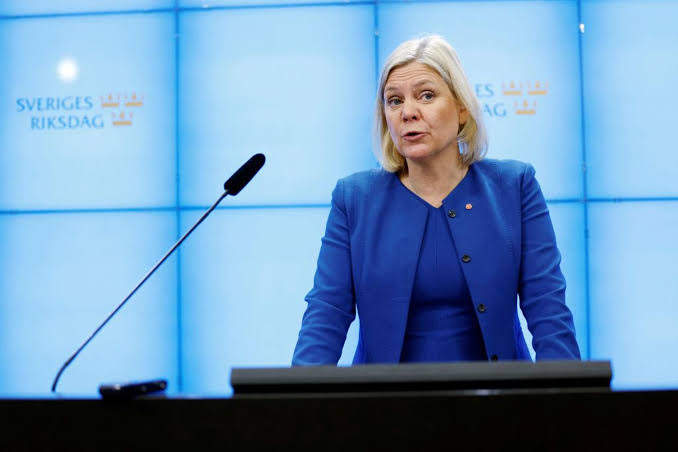
Sweden’s far-right Sweden Democrats have suffered an important electoral setback, but their declining vote share does not necessarily signal the end of their influence over Swedish politics. The country’s centre-left parties now face the task of forming a stable government while offering a clear alternative to the policies that have shifted the political debate to the right.
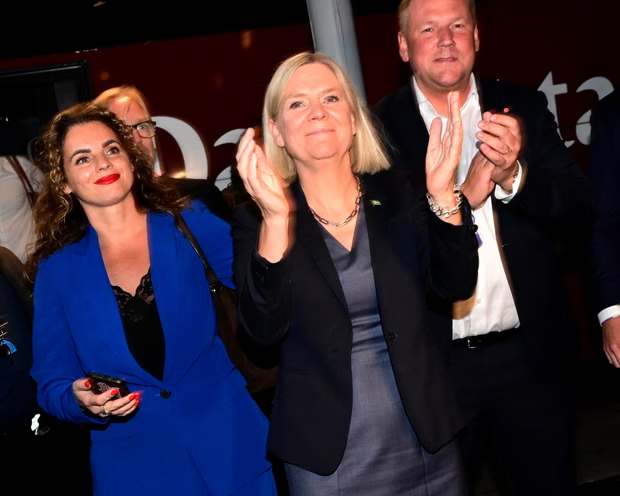
The Social Democrats, led by Magdalena Andersson, are expected to play the central role in a potential centre-left government following the 2026 election. The Social Democrats could govern alongside the Left Party, Greens and Centre Party, with the four parties holding only a narrow parliamentary majority. Such a coalition would leave Andersson dependent on cooperation among parties with significantly different positions on economic policy, immigration, crime and the role of the state.
The election nevertheless delivered a setback to the Sweden Democrats, who fell from second place to third. The result disrupted the party’s expectation of entering government after years of increasing influence over Sweden’s conservative political bloc. The party had previously provided parliamentary support to Prime Minister Ulf Kristersson’s right-wing government under the Tidö arrangement.
However, the decline should not be interpreted as the disappearance of the far right from Swedish politics. The Sweden Democrats have succeeded in moving issues such as immigration, integration and crime toward the centre of political debate. Their positions have influenced even mainstream parties, including the Social Democrats, which have adopted tougher positions on immigration in an effort to regain support from voters concerned about migration and security.
This creates a strategic dilemma for the centre-left. Moving further toward restrictive immigration policies may help attract some voters who have shifted toward the right, but it could also alienate younger and more progressive voters who expect a stronger emphasis on social inclusion, equality and liberal democratic values.
For Andersson, the challenge will therefore extend beyond forming a parliamentary majority. She must also construct a political programme capable of holding together parties with different priorities while rebuilding the Social Democrats’ long-term electoral base. The party recorded its weakest election result in more than a century, making renewal an urgent political issue.
The centre-left’s potential advantage is that Sweden’s political landscape still contains substantial support for progressive economic and social policies. A government focused on reducing inequality, strengthening public services, addressing housing and employment concerns and pursuing a credible climate agenda could offer voters an alternative to the politics of cultural conflict.
Yet the coalition’s internal divisions could prove difficult. The Centre Party has historically maintained disagreements with the Left Party, while the parties also differ over taxation, market regulation, immigration and the extent of government intervention. Maintaining parliamentary unity will require substantial compromise.
The experience of the Sweden Democrats also demonstrates how far-right influence can survive an electoral setback. Even if the party remains outside government, the ideas it has helped mainstream can continue shaping legislation and political rhetoric. Its future influence will depend partly on whether the centre-left chooses to compete with it on its own terms or instead offers a distinctly progressive political alternative.
Sweden’s election therefore represents both an opportunity and a warning for the European left. The far right may have lost momentum, but its political legacy remains firmly embedded in the national debate. For the centre-left, electoral recovery will require more than defeating the Sweden Democrats at the ballot box. It will require presenting voters with a convincing vision of what a progressive Sweden should look like.
The coming parliamentary period could consequently determine whether the election marks the beginning of a genuine political shift back toward the centre-left or merely a temporary interruption in the Sweden Democrats’ longer-term rise.