 11
Preparations for a possible meeting between Russian President Vladimir Putin’s economic envoy Kirill Dmitriev and leaders of Germany’s Alternative for Germany (AfD) party point to the growing intersection of Europe’s energy pressures, Germany’s domestic political debate and the unresolved consequences of the Russia-Ukraine war. Reuters reports that the talks could take place as early as March 2027 and could examine the possibility of restoring Russian gas supplies to Germany, including through the Nord Stream pipeline system.
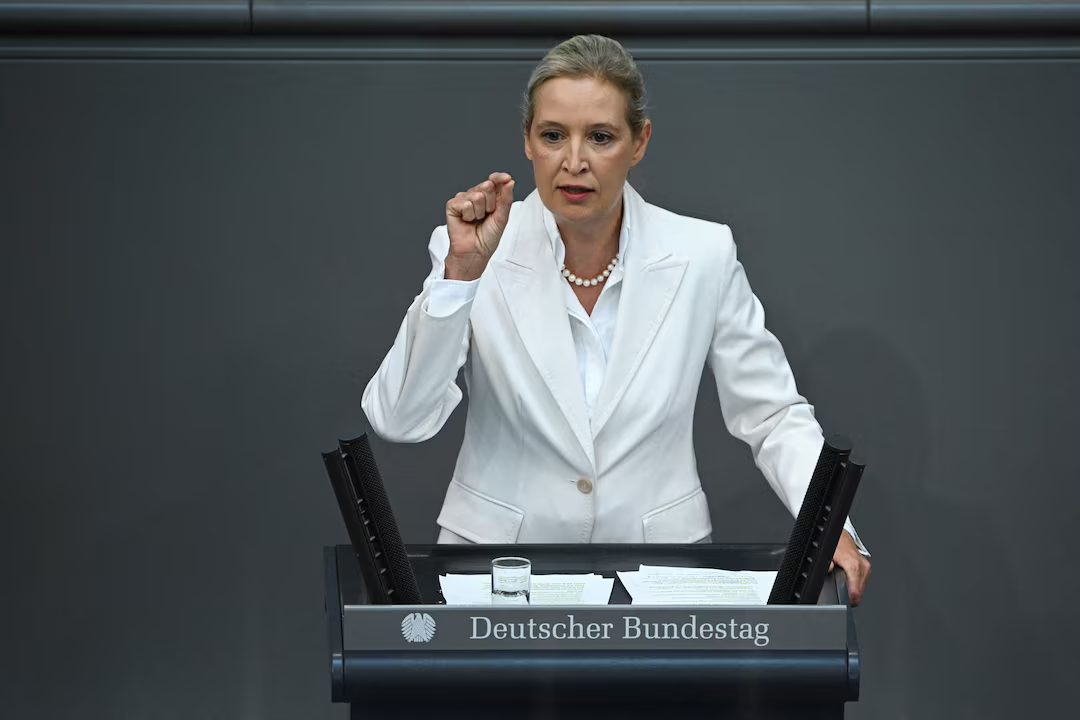
The significance of the proposed meeting extends beyond energy policy. The AfD does not govern Germany, meaning any agreement reached through such discussions would not itself determine national energy policy. However, the initiative could give the party an opportunity to present its position on energy prices and relations with Moscow as part of a broader foreign-policy agenda. Reuters reports that AfD co-leaders Alice Weidel and Tino Chrupalla are expected to participate if the meeting goes ahead.
Before Russia’s full-scale invasion of Ukraine in 2022, Moscow supplied more than half of Germany’s natural gas and more than one-third of its crude oil imports. The subsequent reduction and eventual halt of Russian energy supplies forced Germany to rapidly diversify its sources of gas and adjust its energy strategy.
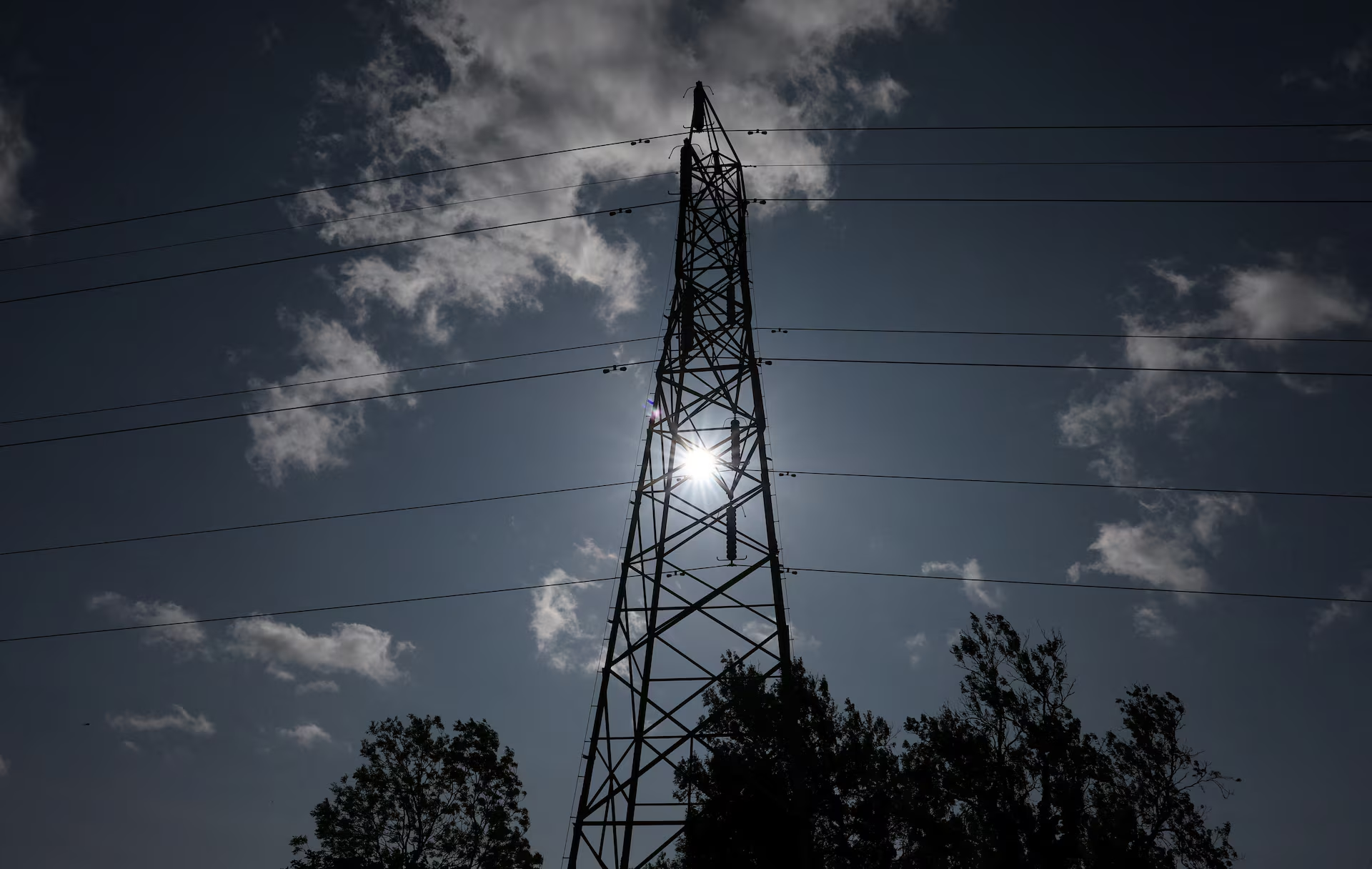
The economic argument for renewed Russian gas supplies is becoming more politically relevant as Europe continues to face elevated energy costs. Reuters reported this week that European gas storage levels remain below the five-year seasonal average, while high energy prices are adding pressure to European economies. Germany, one of Europe’s largest industrial economies, is particularly exposed to energy costs because of its substantial manufacturing base.
The AfD has used this economic pressure to argue for renewed access to Russian energy. Weidel has described inexpensive Russian energy as important to the success of German industry and has advocated ending the boycott of Russian oil and gas.
Any attempt to restore Russian gas through Nord Stream would involve considerations far beyond commercial energy supply. Parts of the undersea pipeline network were damaged by explosions in September 2022, and restarting the route would require substantial political, legal and technical decisions.
Opponents argue that renewed dependence on Russian energy could recreate the vulnerabilities that emerged after Moscow’s invasion of Ukraine. German lawmakers cited by Reuters have also raised concerns that energy dependence could become a component of Russia’s broader geopolitical strategy.
Supporters of renewed gas trade frame the issue primarily in economic terms, arguing that cheaper energy could help German industry and consumers. The disagreement therefore reflects two competing approaches to energy security: reducing dependence on a politically adversarial supplier, or restoring trade where economic conditions make it advantageous.
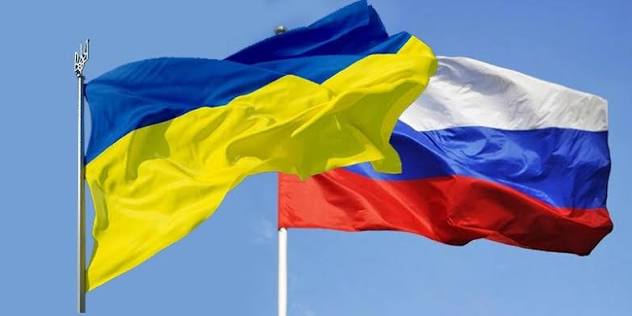
According to Reuters, the proposed meeting would depend on the establishment of a peace framework between Russia and Ukraine. This condition is important because it links the question of German energy supplies directly to the wider diplomatic process surrounding the war.
The proposed gathering could also involve U.S. business figures Steve Witkoff and Jared Kushner, although a senior U.S. official told Reuters that neither had been informed of or invited to the proposed meeting. This makes their potential participation uncertain rather than established.
The initiative also comes as the AfD has strengthened its electoral position. Reuters reports that the party recently became the largest party in a state election in Saxony-Anhalt and faces another important test in Mecklenburg-Western Pomerania, where the Nord Stream pipelines enter Germany.
Consequently, the proposed gas discussions could serve both an economic and political purpose. For the AfD, advocating cheaper Russian energy provides a way to connect energy prices, industrial competitiveness and dissatisfaction with the government’s current policies. For its political opponents, the issue raises questions about Germany’s security strategy and its relationship with Russia.
The proposed talks do not represent a decision by Germany to restore Russian gas imports. The AfD is outside government, and any major change in German energy policy would require decisions by the federal government and potentially broader European and regulatory considerations.
Nevertheless, the development illustrates how energy security has returned to the centre of Germany’s political debate. If a Russia-Ukraine peace framework emerges, the question of whether Europe should maintain its post-2022 energy realignment or reconsider some economic ties with Moscow could become increasingly prominent.
For Germany, the central challenge will be balancing the economic appeal of potentially cheaper energy against the strategic risks associated with renewed dependence on Russian supplies. The debate is therefore likely to remain closely connected to both Germany’s economic outlook and the future of European security policy.