 11

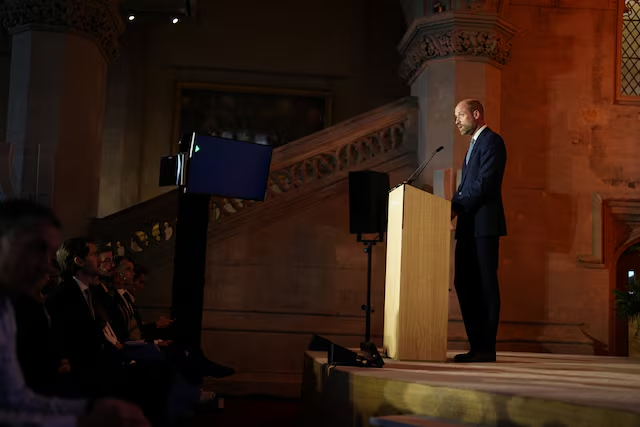
LONDON — The UK Conservative Party has unveiled a broad programme of deregulation and economic reforms, with Shadow Chancellor Andrew Griffith set to outline measures aimed at reducing housebuilding costs, accelerating infrastructure projects and limiting environmental regulations.
The proposals, presented at the Conservative Party’s annual conference, include plans to abolish the Environment Agency and Natural England, remove several planning requirements and scrap regulations associated with the country’s net-zero policies.
The Conservatives said the measures could reduce the cost of a new home by up to £50,000 by removing what they describe as unnecessary regulatory burdens on developers. The package also proposes replacing existing planning contributions, including Section 106 agreements and the Community Infrastructure Levy, with a simplified system.
Griffith is also expected to support the construction of a third runway at Heathrow Airport and call for faster development of new nuclear power stations as part of the party’s infrastructure and energy strategy.
The proposals include withdrawing from the Aarhus Convention, an international agreement that provides public access to information and participation in environmental decision-making. The Conservatives argue that existing arrangements can delay major infrastructure projects.
The party has also proposed simplifying the tax system and removing the extended producer responsibility scheme, which requires producers to contribute towards waste-management costs.
Shadow Energy Secretary Andrew Bowie separately said the Conservatives would seek to dismantle parts of the UK’s existing net-zero legislative framework, including abolishing the Climate Change Committee. He argued that reducing renewable-energy subsidies and other climate-related charges could lower household energy bills.
The Conservative proposals have drawn criticism from the Labour government, which argues that several of the problems identified by the opposition are already being addressed through changes to planning and environmental regulation.
Labour also questioned the Conservatives’ record on economic growth and housing during their previous period in government.
Reform UK has separately accused the Conservatives of adopting policies that it says are similar to proposals already advanced by its own party.
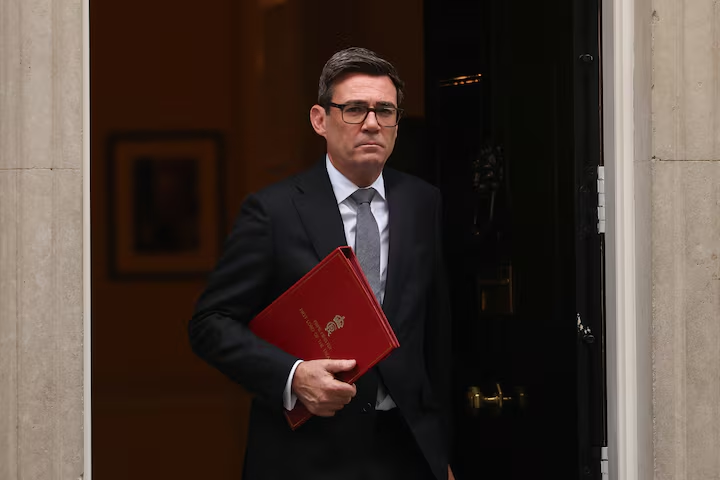
The Conservative conference comes as Prime Minister Andy Burnham’s Labour government faces pressure to provide greater detail on its economic programme, including measures to address living costs, investment, housing and public services.
The competing policy approaches highlight a growing debate within UK politics over the role of government regulation, environmental protections, taxation and public investment in supporting economic growth.
The Conservative leadership is seeking to position the party around lower regulation, greater private-sector activity and reduced state intervention, while the Labour government has outlined a broader programme involving public investment, regional development and reforms to public services.
The economic and regulatory proposals are expected to remain central to political debate as the parties develop their longer-term programmes ahead of the next general election.