 11
Minneapolis: Conservative activists James O’Keefe and Cam Higby were charged on Wednesday with unlawful voting and identity theft after a Minnesota prosecutor alleged that they gave false names to poll workers during the state’s primary election. The two men recorded the encounters for a video intended to expose what they describe as weaknesses in Minnesota’s voting laws.
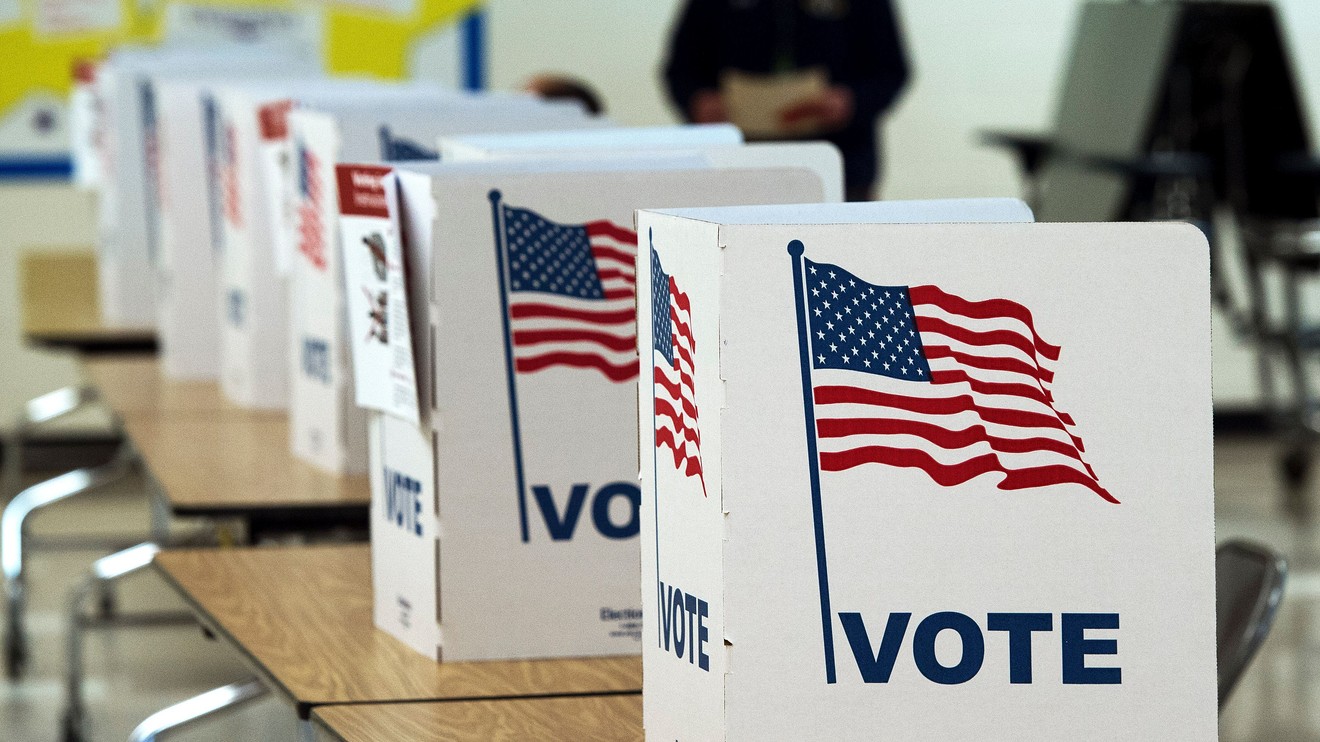
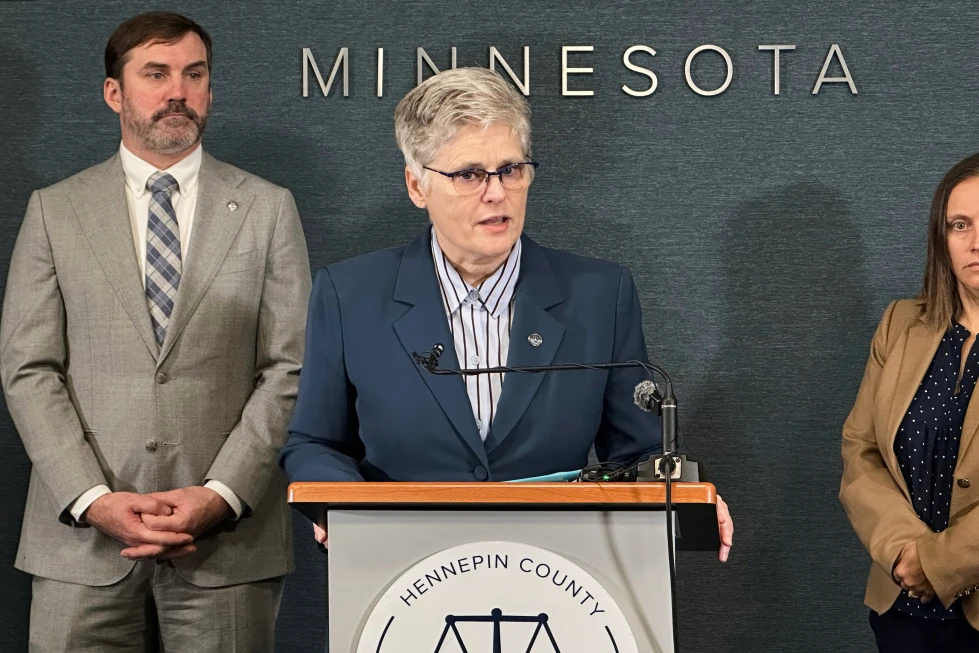
Hennepin County Attorney Mary Moriarty announced the felony charges at a news conference. She said O’Keefe, 42, of West Palm Beach, Florida, and Higby, 26, of Covington, Washington, wore costumes and used the names of registered voters to initiate the “vouching” process during the Aug. 11 primary. The process allows voters without proof of their current address to register and vote in their new precinct on the same day, provided a voter already registered in that precinct vouches for them.
According to Moriarty, both men “identified themselves using names of registered voters in the precinct without those voters’ knowledge or permission.” Poll workers grew suspicious and reported the conduct to election officials, who asked police to investigate. Although the men did not sign the oath required to complete the vouching process, Moriarty said that providing false names and beginning the process was sufficient to warrant felony charges.
Moriarty said the case demonstrates that “the system for identifying misconduct and responding to it functioned well during the primary.” She added: “Free and fair elections are the bedrock of democracy, and their protection is one of our highest priorities.”
O’Keefe Defends Actions as Journalism
O’Keefe, who founded Project Veritas and was later removed from its leadership, rose to prominence by publishing undercover sting-style videos similar to the one recorded at Minnesota polling stations.
In a video and written statement released on Wednesday evening, O’Keefe said he and Higby had acted as investigative journalists and never intended to complete the vouching process. He said they had deliberately used the phrase “the name is” rather than “my name is” when providing names to poll workers.
“In our report, we clearly stopped and walked out of the polling places to avoid even touching a voting ballot,” O’Keefe wrote. “We didn’t apply for a ballot; we were there talking to election clerks, posing hypotheticals and getting answers so that Americans could know what was happening in the elections.”
Higby did not immediately respond to a request for comment, and no attorney was listed for him in court records. Neither man has yet had the opportunity to enter a plea.
In the video, posted to YouTube on Aug. 13, O’Keefe, Higby and others wore attire resembling that worn by some Muslims and spoke with fake accents while asking about the vouching process at several Minneapolis polling sites. Higby’s face was covered, and O’Keefe referred to him as his wife when speaking to poll workers.
O’Keefe Media Group published the video and a statement on its website, saying the team had presented “an intentionally extreme scenario” to highlight what it called flaws in the state’s vouching system. The statement said the team sought to determine how election workers would respond, what safeguards they would cite and how far they would allow the process to proceed. It said reactions varied, with some workers explaining how the group could proceed under the rules, while others became suspicious, objected to the investigation and raised concerns over their radios.
David Becker, a former U.S. Justice Department official and executive director of the Center for Election Innovation and Research, said he was not aware of any case in which vouching had led to organised or widespread fraud. He noted, however, that some people promoting voter fraud claims have increasingly engaged in questionable conduct themselves. “Impersonating another voter is a very serious crime,” Becker said.
How Vouching Works
Under Minnesota law, a registered voter may vouch for another voter in the same precinct by signing an oath confirming that person’s identity and residence. The voter being vouched for must also verify their identity and eligibility by providing a Minnesota driver’s licence or identification card number, or the last four digits of their Social Security number.
The process is rarely used and is most common among older adults who no longer drive and have not updated the address on their licence. According to the Minnesota Secretary of State’s office, fewer than 0.6% of votes cast in the November 2024 election involved vouching.
Voter ID Rules Differ Across States
Voter identification requirements vary widely across the United States. According to the National Conference of State Legislatures, 36 states request or require voters to present some form of identification at the polls, ranging from a photo ID to documents such as a utility bill or bank statement. In the remaining 14 states and Washington, D.C., voters may cast a ballot without showing ID, verifying their identity instead through means such as signing an affidavit or providing personal details including name, address or date of birth.
Several states, including Minnesota, permit election officials or registered voters to vouch for individuals without current identification. In Alaska and New Hampshire, officials such as clerks or supervisors may verify a voter’s identity if they know the voter personally. North Dakota allows voters who lack ID because of a disability to have an attester certify their eligibility, while West Virginia permits an adult who has known a voter for at least six months to sign a sworn statement confirming the voter’s identity.