 11
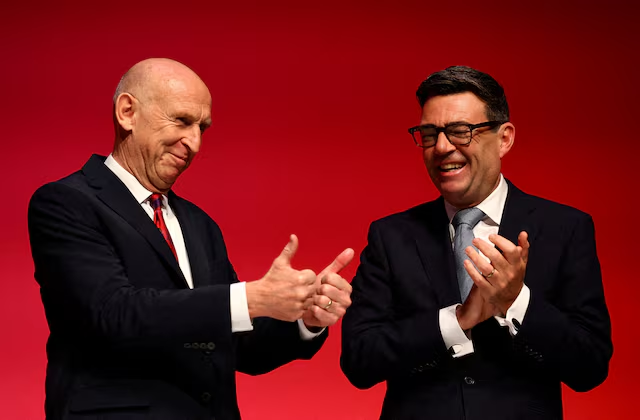
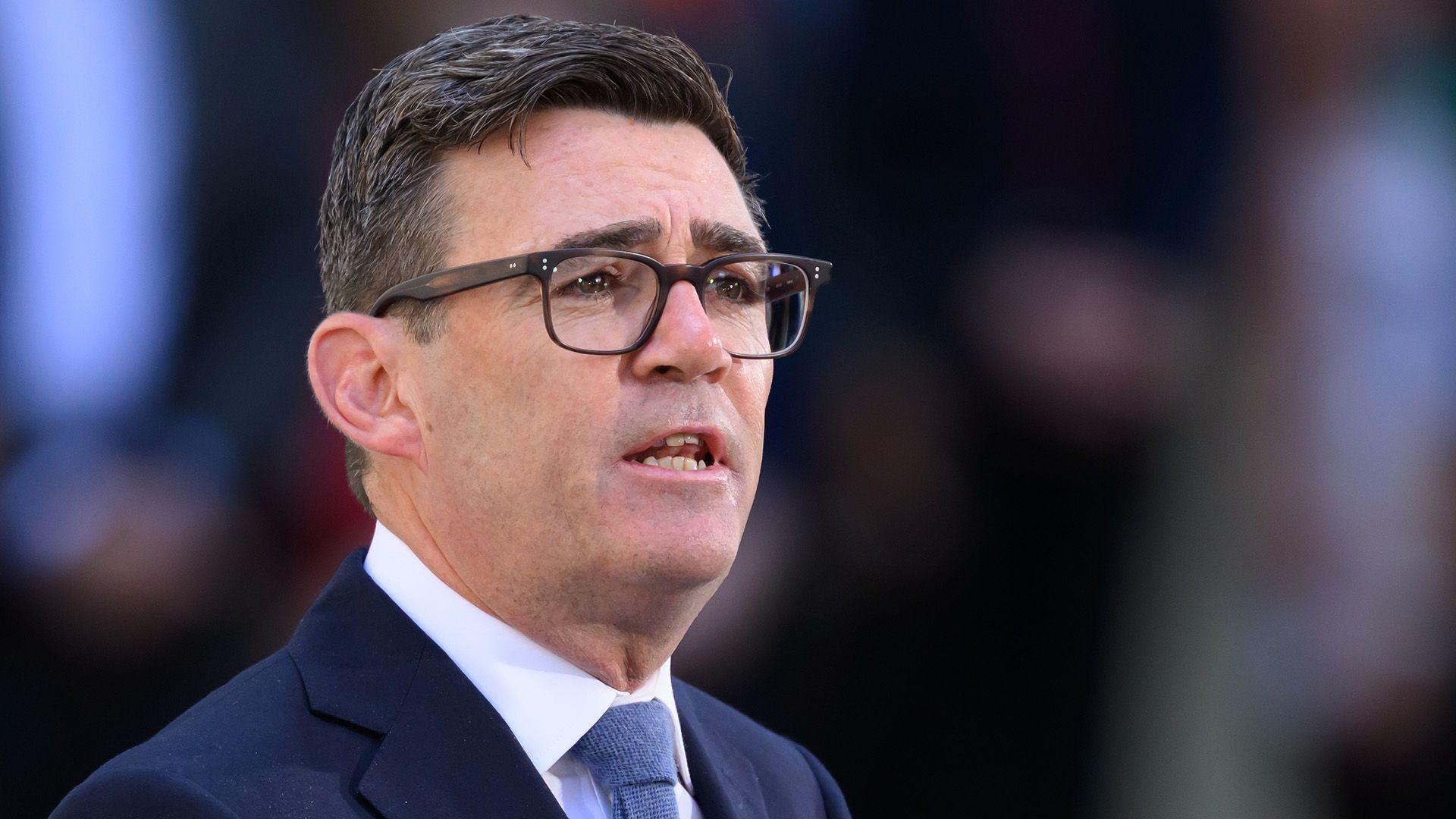
Chancellor John Healey’s first budget under Prime Minister Andy Burnham was framed by the Treasury as a “low-key” event, and in many ways it was. It did no obvious harm, offered targeted relief on household energy bills, avoided the personal tax rises many voters had expected, and asked banks and gambling firms to pay a little more. Yet the reaction among commentators has been striking: the budget is widely seen as better than feared but far short of the transformational agenda Burnham promised when he pledged to “break with the direction of the past 40 years.” Beneath the modest headlines sits a deeper story about a government constrained by debt, by defence commitments, and by the economic fallout of a war in the Gulf that Britain does not control.
A budget shaped by forces abroad
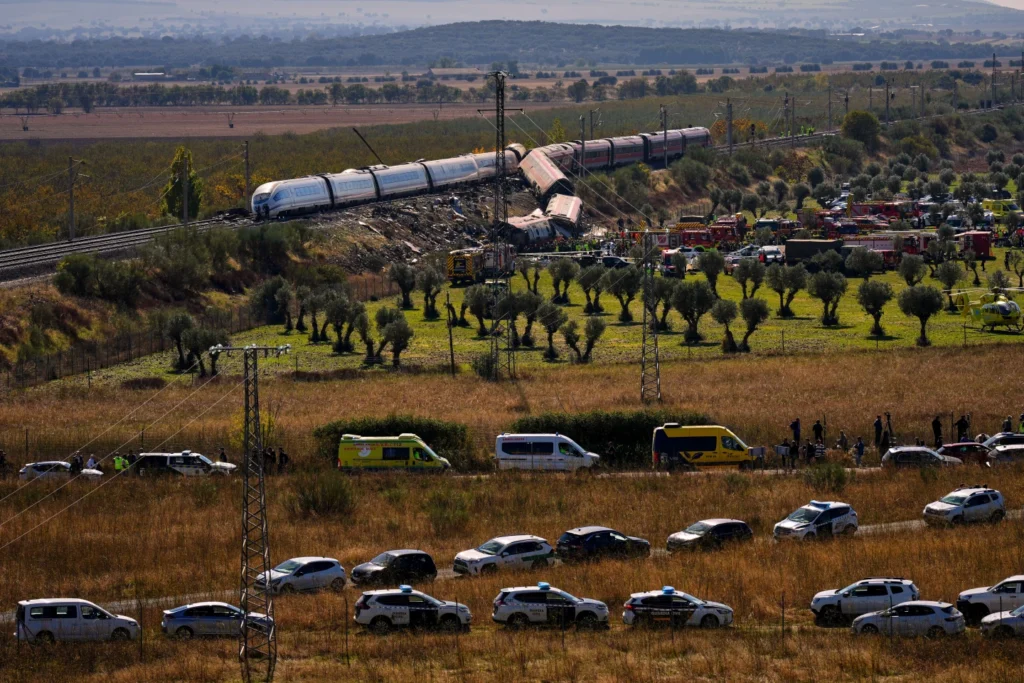
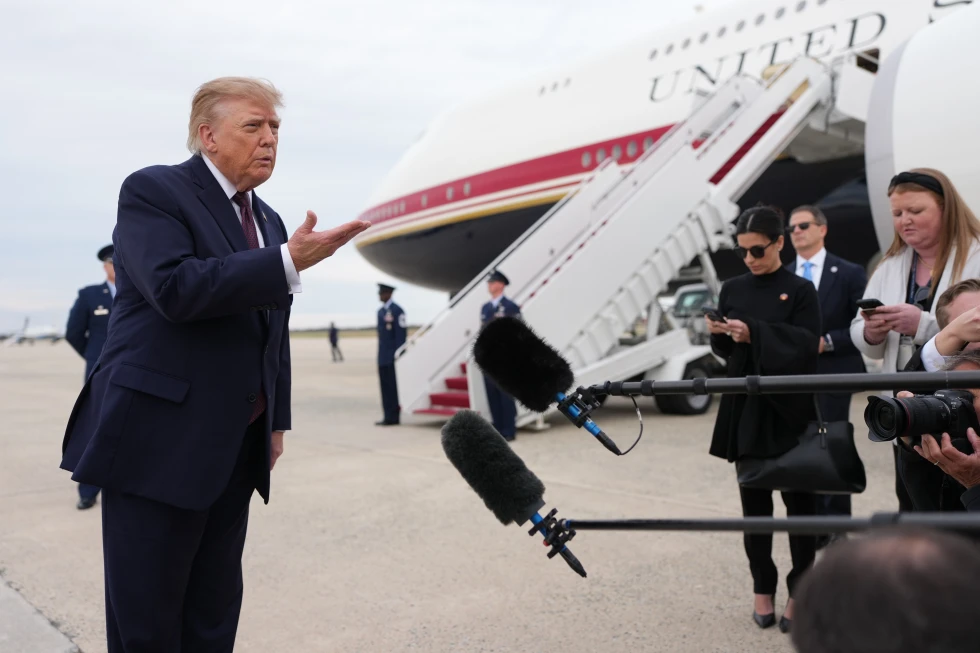
The backdrop is sobering. The government is carrying an additional £14bn of expensive debt, and the chancellor acknowledged, in carefully diplomatic language, that Britain’s economic fortunes are heavily exposed to decisions in Washington on Iran and on trade tariffs. The war with Iran, now in its eighth month, has driven energy prices sharply higher across Europe, and household bills are set to rise steeply again in January.
That external pressure explains why energy relief became the centrepiece of the budget. Homes in council tax bands A to D will receive £100 off their bills, the VAT reduction on energy has been extended until July, and the abolition of standing charges is expected to leave around 60% of households better off. The measures should also help bring inflation down. Healey also outlined longer-term changes intended to lower energy costs in future, and drew a direct line between conflicts abroad and both rising bills and Britain’s sense of insecurity.
Banks and gambling: popular targets, gentle blows
The budget’s “losers” were politically safe choices, but markets suggest they got off lightly. The bank surcharge will rise to a temporary 6%, below the 8% level that applied before Conservative-era reductions. Bank shares jumped on the news, which critics read as evidence that the sector’s threats to relocate had worked and that the banks had braced for a heavier hit.
The gambling industry reacted similarly. Firms face an extra five percentage points of tax on high-stakes machines, and shares rose rather than fell, with Rank climbing more than 10% on the day. With the Treasury already collecting around £4bn a year from gambling, some commentators argue the government missed a chance to go further, including by restricting gambling advertising.
Living off the predecessor’s tax rises
Healey’s restraint on personal taxation was made possible in large part by his predecessor. The £66.6bn in tax rises introduced earlier in this parliament, chiefly higher employer National Insurance and income tax thresholds frozen until 2031, continue to generate substantial revenue as wages rise and more earners drift into higher bands. Healey paid a gracious tribute to the former chancellor; commentators noted that she absorbed the political pain while he now benefits from the receipts.
Polling by Ipsos suggests the public expected personal tax rises that did not materialise. Labour may also draw some comfort from findings that voters believe both the Conservatives and Reform UK would raise taxes and cut public services if in power.
The defence trade-off
The most contested element of the budget is its defence spending, described by the chancellor as the biggest increase since the end of the Cold War. Departmental budgets were already cut over the summer to fund the Ministry of Defence’s demand for an extra £15bn; this budget adds a further £3bn in cuts elsewhere. Up to £5bn from the National Wealth Fund and the British Business Bank is also being directed towards defence, and a £1bn reduction to the Warm Homes programme, which funds heat pump grants, has been confirmed.
Critics on the left argue this is the wrong priority at the wrong time. The Transition Security Project estimated in July that the defence investment plan would cause more than 10,000 net job losses; with the additional cuts, that figure could now exceed 15,000. Their case is that military spending generates weaker domestic growth than the civilian investment it displaces, partly because much of the money flows abroad, particularly to the United States. They urge Burnham to drop the NATO spending targets he inherited, noting that Healey has deferred the detailed funding route to next year’s spending review. Some also point to Britain’s own role in the regional conflict, citing the U.S. use of British bases in strikes on Iran and the government’s support for Saudi Arabia’s campaign in Yemen, and argue that diplomacy and de-escalation should form part of any serious cost-of-living strategy.
Supporters of the defence uplift would counter that the same war driving up energy bills is precisely why Britain needs stronger armed forces, that NATO commitments underpin European security at a time of acute instability, and that a credible defence posture is itself a form of economic protection.
Who was left out
Several commentators highlighted notable gaps. There was no direct help for low-income renters and no new funding plan for public services facing real-terms cuts. Young people received some indirect benefits, including the bank tax rise, more investment in apprenticeships and a new first-time buyer ISA, but there was no mention of student loans, and young people not in education, employment or training appeared only in the context of welfare reform. Critics warn the first-time buyer scheme risks subsidising high house prices rather than bringing them down.
These omissions matter politically. Median household income has endured an unprecedented long decline and has only in the past year recovered to the level of six years ago, a squeeze many analysts see as the root of the discontent that has reshaped British politics since Brexit.
The immigration paradox
The budget also exposes a tension the government has yet to resolve. Immigration remains the public’s top concern, above inflation and the economy, and spending on border enforcement is second only to the NHS as the most popular use of public money. Yet the Office for Budget Responsibility estimates that work visas for an additional 200,000 migrants would raise £18bn for the Treasury. The government faces a choice between leaning further into a hardline approach under Home Secretary Shabana Mahmood or making the case to voters about the fiscal trade-offs involved.
Verdict: a placeholder, not a programme
The most generous reading is that this was a “breathing space” budget, deliberately modest, designed to stabilise household finances while the government prepares Burnham’s promised ten-year plan, the next spending review and eventually a new manifesto. Burnham has interpreted voters’ disillusionment as a demand for more political action, in contrast to Keir Starmer’s pledge to tread more “lightly.” Critics worry that, without a clearer theory of how to reshape the economy, that activism risks being reduced to consumer-level fixes, from easier subscription cancellations to starter ISAs, rather than structural change.
Those sympathetic to the government would argue that a chancellor facing expensive debt, a volatile Gulf war and pressure from Washington on tariffs and defence did well to protect households without unsettling markets, and that radical reform needs a stable platform first. Sceptics reply that the budget’s real priorities, defence over green investment and modest taxes on banks over help for renters and the young, already reveal its direction. Whether Healey’s budget is remembered as a prudent pause or a missed moment will depend on what comes next. For now, Britain’s economic outlook remains tied as much to decisions in Washington and Tehran as to anything announced in Westminster.