 11
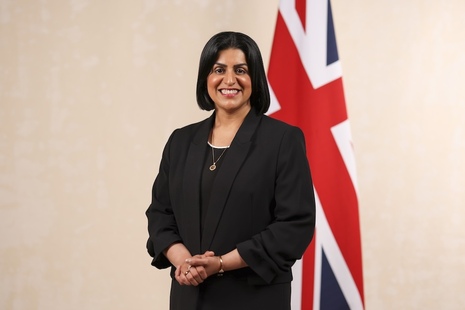
London: Home Secretary Shabana Mahmood is set to announce sweeping changes on Monday to the length of time legal migrants must wait before qualifying for permanent settlement in the United Kingdom, with most expected to face a ten-year wait and some as long as 15 years.
Several ministers, including Housing Secretary Angela Rayner, had voiced concern over the impact of the rules on care workers already living in the UK, who would likely face a 15-year wait for settlement, formally known as indefinite leave to remain (ILR).
The government’s response to the consultation, to be presented to MPs on Monday, is expected to offer some exemption for care workers already in the country, although most other professions will be subject to the extended qualifying periods.
Mahmood has proposed that migrants could shorten their wait by demonstrating contributions to their local communities through a points-based system, or by earning higher incomes. She is also expected to meet union general secretaries on Monday, some of whom have expressed alarm over the reforms, to finalise the details.
In July, it was reported that Prime Minister Andy Burnham was weighing an exemption for hundreds of thousands of care workers in order to ease pressure on the social care sector. The Home Office has issued around 200,000 health and care worker visas over the past five years, with many more people arriving as dependants.
Under the proposals put out for consultation, the standard qualifying period for settlement would double from five to ten years, while some workers in sub-graduate occupations, including care workers, could face a 15-year period, subject to proposed exemptions and reductions.
In June, Rayner described requiring care workers already in Britain to wait up to 15 years for permanent residence as “un-British.” In September, Energy Secretary Miatta Fahnbulleh said the plans would have been difficult for her own family, who arrived in Britain as refugees.
In a letter dated 29 October addressed to Mahmood and Health Secretary Yvette Cooper, parliamentarians and organisations representing migrant workers, racial equality campaigners and health professionals likened the proposals to policies from the Windrush era. The Windrush scandal, which came to light in 2017, saw mainly Black Britons wrongly detained, deported and denied access to employment and essential services despite their lawful right to live in the UK.
The signatories urged ministers to prevent history from repeating itself by withdrawing the proposals or, at the very least, adding further safeguards. They argued that altering the rules for people who had planned their lives around existing requirements would be unjust and could prompt essential workers to leave the country. They also cautioned that proposed exemptions for certain public-service workers might not cover staff employed by independent health and social care providers, nor workers’ family members.
The letter called on ministers to implement the recommendations of the Windrush Lessons Learned Review led by Wendy Williams, which urged stronger development and scrutiny of immigration policy, including closer attention to its effect on affected communities.
Signatories include Labour MPs Bell Ribeiro-Addy, Diane Abbott, Clive Lewis and Rachael Maskell, as well as Green MPs Ellie Chowns, Carla Denyer, Siân Berry and Hannah Spencer. Supporting organisations include the Work Rights Centre, Action for Race Equality, Care England and the Society of Radiographers.
The letter contends that the wrongs of Windrush are not merely historical, arguing that the same groups are being targeted by current immigration proposals. It warns that the health and care sector is already dangerously understaffed and that the changes could harm the health and wellbeing of the entire population.
According to the signatories, the government may struggle to meet targets on cancer treatment and NHS waiting-list reductions without retaining and expanding its workforce, particularly in fields heavily dependent on internationally trained staff, such as radiography. The letter singles out adult social care, stating that international workers are vital to sustaining current levels of care and that, without them, services would shrink and unmet needs would grow.
Launching the earned settlement consultation last year, Mahmood described Britain as a multi-faith, multi-ethnic democracy that requires contribution and integration, stating that permanent membership of the country is “not a right but a privilege.”