 11
11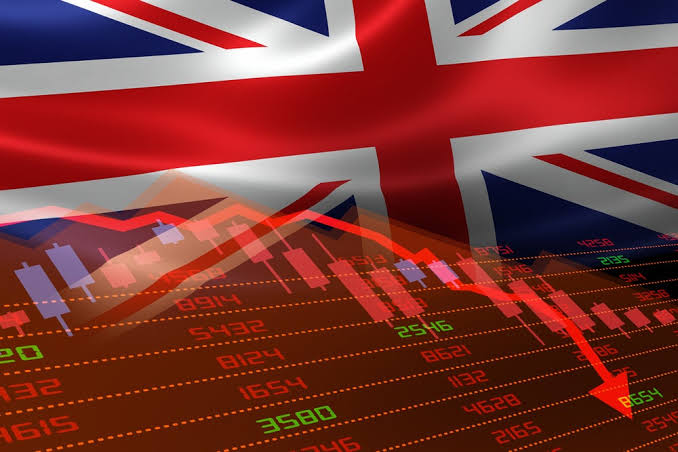
LONDON: Britain’s economy contracted by 0.1 percent in April, marking its first monthly decline since August, as the ongoing conflict involving Iran disrupted major sporting events in the Gulf region and weighed heavily on the country’s services sector, according to official data released on Friday.
Figures published by the UK Office for National Statistics (ONS) indicated the first clear signs of an economic impact from the U.S.-Israeli war on Iran, with the dominant services sector shrinking by 0.2 percent during the month.
The decline was primarily driven by weaker performance in administration and support services, as well as the arts, recreation, and entertainment industries. An ONS official noted that several British companies were adversely affected by the cancellation of major sporting events in the Middle East.
The outbreak of conflict led to the cancellation of Formula 1 Grand Prix races scheduled in Bahrain and Saudi Arabia during April. In addition, a number of tennis and football competitions across the region were also called off, reducing business activity for British firms involved in event management, broadcasting, hospitality, and related services.
Despite the setback in services, other sectors offered some support to the economy. Manufacturing output increased by 0.4 percent, largely due to a rise in pharmaceutical production, a sector known for significant month-to-month fluctuations. Construction activity also recorded modest growth during the period.
Economists, however, warned that economic conditions could deteriorate further in the coming months. Thomas Pugh, Chief Economist at consultancy firm RSM, said rising energy costs, higher borrowing expenses, and renewed political uncertainty were likely to limit economic growth for the remainder of the year.
“Higher energy prices and borrowing costs along with a renewed bout of political uncertainty are likely to conspire to bring growth almost to a standstill for the rest of the year,” Pugh said.
He added that the latest figures reinforced expectations that the Bank of England would leave interest rates unchanged at its upcoming policy meeting.
Financial markets showed little reaction to the data release, with the British pound remaining largely stable. Investors continued to assign only a limited probability to an interest rate increase in the near term, while anticipating a more likely move later in the year.
Responding to the ONS figures, Finance Minister Rachel Reeves acknowledged that the conflict in Iran would affect the British economy but maintained that the government’s economic strategy remained appropriate for addressing the challenges ahead.
The latest data underscores the vulnerability of the UK economy to international geopolitical developments, particularly as global conflicts continue to influence energy markets, trade flows, and business activity across multiple sectors.