 11
11
LONDON: Members of the UK Parliament are once again debating legislation that would allow terminally ill adults in England and Wales with less than six months to live to seek medical assistance to end their lives, in a closely watched vote that could determine the future of assisted dying reform in the country.
The Terminally Ill Adults (End of Life) Bill, originally introduced by Labour MP Kim Leadbeater, passed the House of Commons in 2025 but subsequently stalled in the House of Lords after opponents tabled more than 1,280 amendments. Labour MP Lauren Edwards has now revived the legislation, arguing that the prolonged delay has imposed a human cost on terminally ill people and their families.
The bill proposes a legal framework under which eligible terminally ill adults could request assistance in ending their lives, subject to safeguards and approval by an expert panel. Supporters say the legislation would provide terminally ill patients with greater choice and dignity at the end of life.
During Friday’s debate, Labour MP Claire Hazelgrove spoke about her mother, who died from a rare blood cancer after experiencing severe pain despite receiving palliative care. Hazelgrove said her experience demonstrated that not all suffering could necessarily be alleviated through existing medical treatment.
Opponents, however, have raised concerns about the proposed safeguards and the readiness of Britain’s healthcare and palliative-care systems. Labour MP and transplant surgeon Zubir Ahmed argued that the social and palliative-care system was not sufficiently prepared to implement the legislation equitably. Conservative leader Kemi Badenoch also criticized the bill as rushed and inadequately drafted, while stressing the need for caution.
The role of the House of Lords has emerged as another major point of contention. Two Labour MPs, Gareth Snell and Meg Hillier, have warned against using the Parliament Act to bypass the Lords if peers again block the legislation, describing such a move as potentially leading to a constitutional confrontation. Supporters of the measure argue that parliamentary procedures may ultimately be necessary to prevent the unelected chamber from repeatedly blocking legislation approved by the Commons.
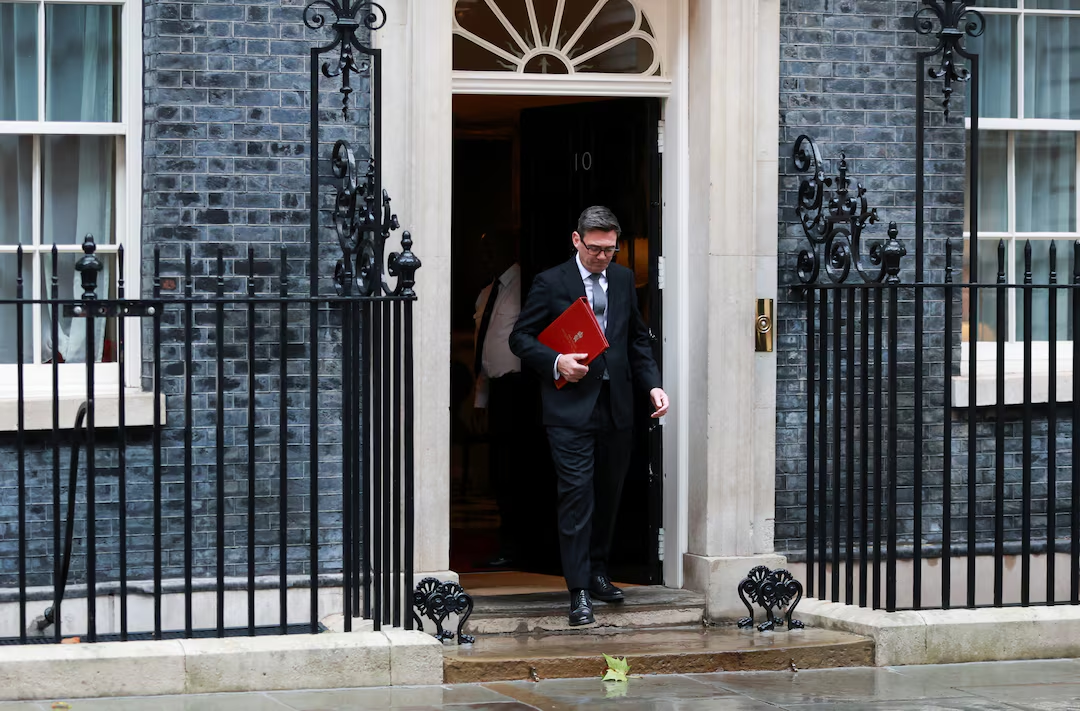
Prime Minister Andy Burnham has said he will not vote on the bill, explaining that he does not want to unduly influence the parliamentary debate. The government has maintained a neutral position and said it will respect Parliament’s decision.
The debate has also been given added urgency by the experience of broadcaster Esther Rantzen, who has terminal lung cancer. Rantzen recently said she is now too physically fragile to travel to Switzerland for assisted dying, despite having previously joined Dignitas and considered ending her life there.
If approved by the Commons, the bill will undergo further parliamentary scrutiny before potentially returning to the House of Lords. The outcome could represent a significant change to end-of-life law in England and Wales and would place the UK among countries that permit assisted dying under specified circumstances.