 11
11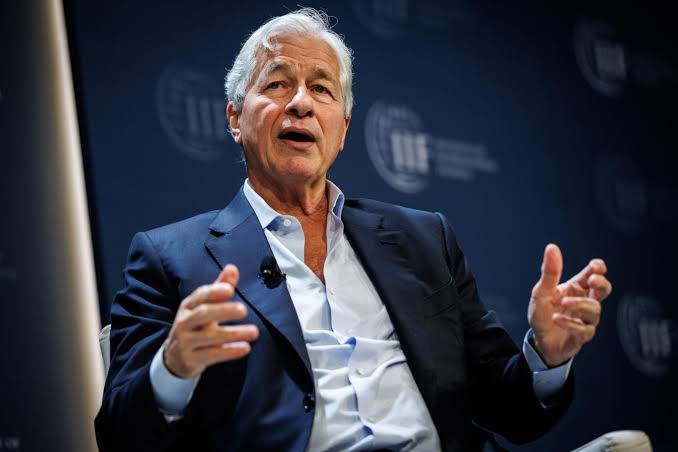
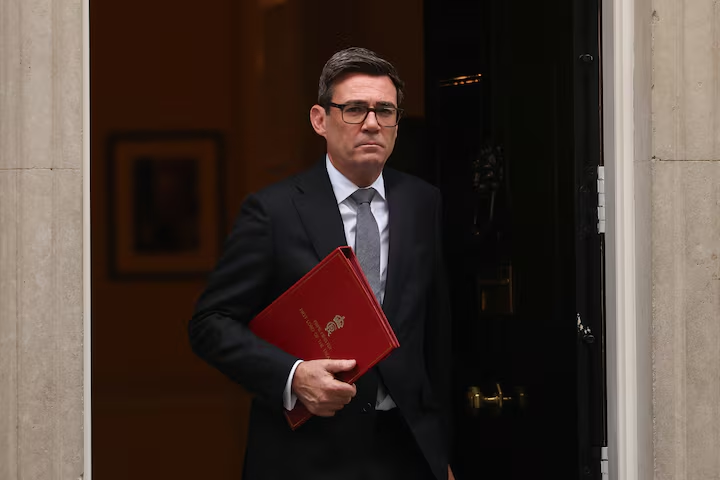
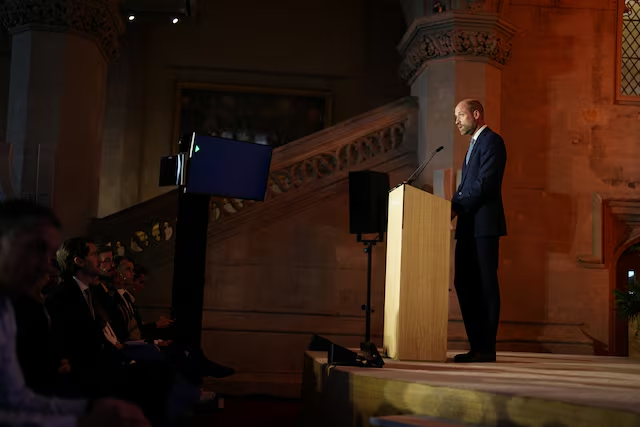
LONDON: JPMorgan Chase Chief Executive Jamie Dimon has warned British Prime Minister Andy Burnham and Chancellor John Healey against increasing taxes on banks, arguing that additional levies could threaten investment and employment in the United Kingdom.
Dimon met Burnham and Healey on Wednesday as speculation intensified that the Labour government could introduce a windfall tax on banks and oil companies in its upcoming budget on October 28.
The JPMorgan chief has previously opposed additional taxation on Britain’s banking sector, which already faces a 28% corporation tax rate, above the standard rate, as well as a separate surcharge based on UK bank balance sheets.
Dimon’s intervention comes at a sensitive moment for the government, which is seeking additional revenue while facing pressure over public finances, higher borrowing costs and demands for increased spending on areas including social care and defence.
The banking sector has reported substantial profits in recent years, partly reflecting the impact of higher interest rates. Britain’s largest banks have collectively recorded more than £200 billion in pre-tax profits over the past five years, strengthening calls from trade unions and campaign groups for the sector to make a greater contribution to public finances.
Supporters of higher bank taxation argue that financial institutions benefited significantly from the post-pandemic rise in interest rates and that additional revenues could help ease pressure on households facing high living costs. Trade union representatives have called for increased contributions from banks as part of a broader programme aimed at reducing household expenses.
The banking industry, however, argues that further taxation could weaken Britain’s competitiveness as an international financial centre. Industry representatives have warned that a higher tax burden could discourage investment, affect lending capacity and make London less attractive compared with other major financial centres.
JPMorgan has a substantial presence in Britain, employing about 23,000 people across the country. The US banking giant is also planning a major new headquarters in London’s Canary Wharf, with an investment of around £3 billion. The scale of the planned investment makes the company’s concerns particularly significant for the government’s efforts to attract international capital.
The government faces a difficult balance between raising revenue and maintaining a business environment capable of attracting global investment. Chancellor Healey has so far declined to comment on specific tax measures ahead of the budget, saying that responding to speculation would not be productive.
The dispute reflects a broader debate over Britain’s economic strategy. While higher taxes on profitable financial institutions could provide additional government revenue, policymakers must also consider whether such measures could ultimately reduce investment, employment and tax receipts.
For the Labour government, the October budget will therefore be a test of how it balances demands for greater contributions from highly profitable sectors with its stated objective of promoting economic growth and maintaining Britain’s position as a leading international financial centre.