 11
11
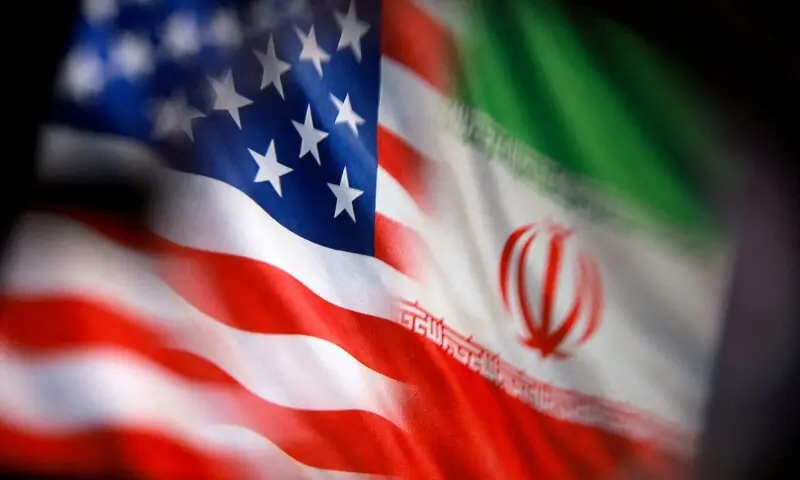
As U.S. President Donald Trump seeks to shift public attention away from the costly confrontation with Iran, developments on the ground suggest that the conflict has entered a phase where neither Washington nor Tehran can disengage without significant strategic and political consequences. While the White House has repeatedly expressed hope that military pressure will force Iran back to the negotiating table, the latest exchange of strikes demonstrates that the crisis is becoming increasingly difficult to contain.
Trump’s political objective is straightforward: avoid a prolonged military entanglement while projecting strength ahead of the 2026 midterm elections. However, recent Iranian missile and drone attacks on U.S. military facilities in Bahrain and Kuwait, following renewed American strikes, have undermined that strategy. Each retaliation raises domestic and international expectations for another U.S. response, creating a cycle of escalation that leaves little room for a clean exit.
Although the United States retains overwhelming military superiority, analysts argue that tactical victories alone are unlikely to secure Washington’s broader objectives. Iran has demonstrated its ability to respond through asymmetric means, including missile strikes, drones, maritime disruption, and regional proxy networks. This allows Tehran to impose costs without engaging in direct conventional warfare.
The conflict has therefore evolved beyond isolated military exchanges into a contest of endurance and political resolve, where both sides seek to avoid appearing weak while limiting the risk of a wider regional war.
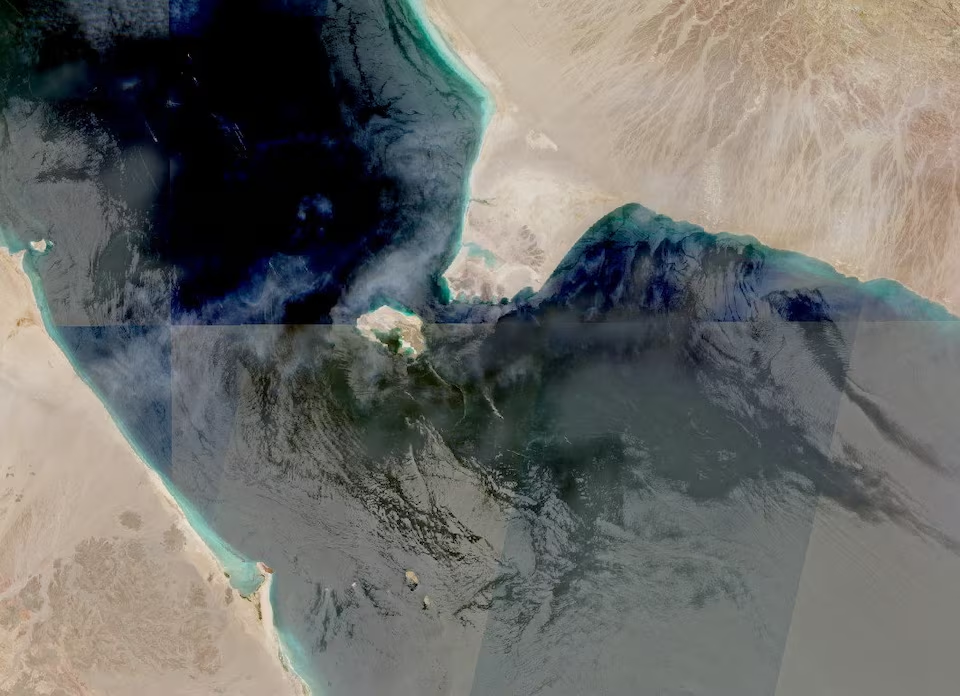
At the heart of the confrontation lies the Strait of Hormuz, one of the world’s most critical maritime chokepoints through which nearly one-fifth of global oil supplies transit. Washington insists on maintaining unrestricted freedom of navigation, while Iran continues to use its geographic position as strategic leverage.
Any prolonged disruption in the waterway would have consequences extending far beyond the Middle East, affecting global energy markets, inflation, shipping costs, and economic growth worldwide. This explains why even limited military incidents quickly attract international attention and market volatility.
Despite increasingly confrontational rhetoric, both Washington and Tehran continue to leave the door open for negotiations. Analysts believe the military escalation may partly serve as leverage ahead of possible diplomatic talks rather than indicating a commitment to full-scale war.
Nevertheless, rebuilding trust after repeated violations of ceasefire understandings will prove extremely difficult. Regional mediators and international partners face the challenge of preventing further escalation while encouraging renewed dialogue over Iran’s nuclear programme and regional security concerns.
The conflict also carries significant domestic implications for President Trump. Rising oil prices, financial market uncertainty, and growing public concern over another prolonged overseas military engagement threaten to weaken political support. At the same time, appearing reluctant to respond decisively to Iranian attacks could expose the administration to criticism from political opponents and regional allies.
This balancing act leaves the White House pursuing two seemingly contradictory objectives: demonstrating military resolve while simultaneously seeking to avoid a wider regional war.
The immediate future points toward what many analysts describe as “managed instability” rather than either comprehensive peace or full-scale war. Limited military exchanges, diplomatic signalling, economic pressure, and regional mediation are likely to continue simultaneously.
For President Trump, leaving the Iran conflict behind is proving far more complicated than ending active military operations. The underlying disputes over regional influence, maritime security, and Iran’s strategic ambitions remain unresolved, ensuring that the crisis is likely to continue shaping U.S. Middle East policy for the foreseeable future.