 11
11 WASHINGTON: A growing threat by Yemen’s Iran-aligned Houthi movement to impose a naval blockade on Saudi Arabia in the Red Sea could significantly widen the regional conflict and place additional pressure on an already heavily deployed U.S. military, according to defense analysts and current and former U.S. officials.
The Houthis have warned they could target shipping linked to Saudi ports in the Red Sea, a move that would jeopardize one of the world’s most important maritime trade routes and potentially disrupt around 7% of global oil supplies passing through the region. The threat comes amid escalating tensions stemming from the ongoing conflict involving Iran and the United States.
Military experts say any U.S. response would likely require the redeployment of naval and air assets from the Persian Gulf to the Red Sea, forcing American forces to operate across multiple active theaters simultaneously. Such a shift could stretch military resources, complicate logistics, and increase operational costs.
Despite the U.S. Navy maintaining more than 20 warships and hundreds of aircraft across the Middle East, officials acknowledge that prolonged operations against both Iran and the Houthis would place additional strain on personnel, equipment, and munitions stockpiles. The Houthis have demonstrated significant resilience in previous conflicts through the use of drones, missiles, and asymmetric warfare tactics.
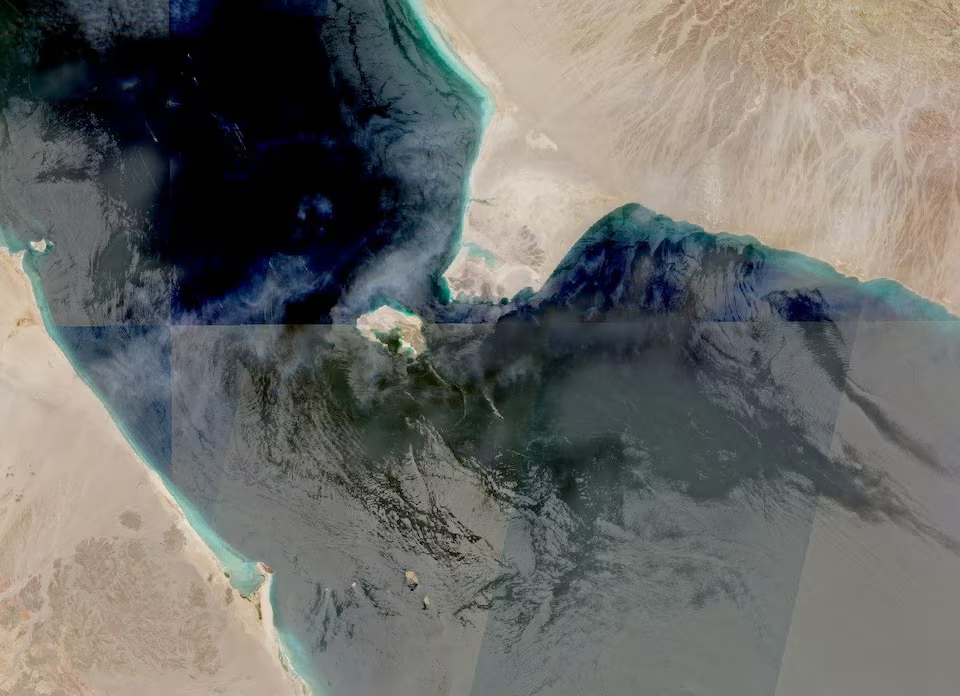
The Bab el-Mandeb Strait, which links the Red Sea to the Gulf of Aden, is a critical global shipping corridor connecting Europe and Asia. Any sustained disruption to maritime traffic through the waterway could have far-reaching consequences for international trade, energy markets, and regional security.
Analysts caution that the latest Houthi threat highlights the risk of the Iran conflict expanding into additional fronts, increasing the likelihood of broader regional instability while presenting Washington with difficult military and strategic choices.