 11
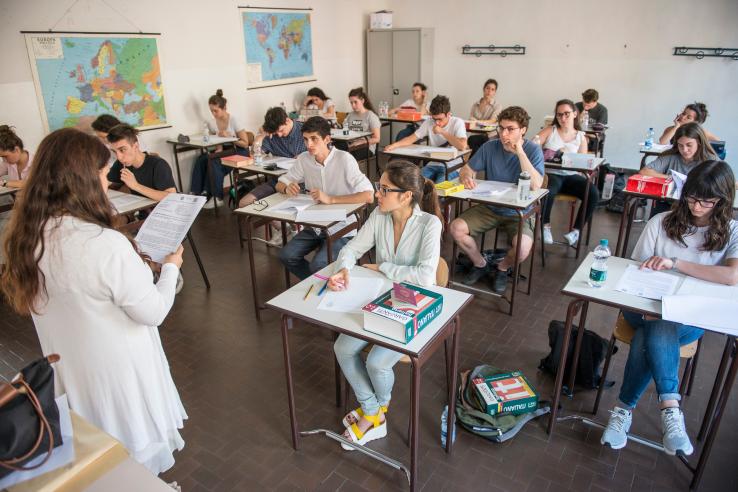
Rome: The Italian government is reducing the number of teachers and school support staff in response to a steep decline in the country’s birthrate and falling student enrolment, a move that has prompted strong objections from trade unions, school principals and opposition parties.
“Demographic decline is real, a very serious problem. But it cannot be used as an excuse to further weaken our public education system,” Mario Rusconi of the principals’ association Anp told the daily la Repubblica on Monday. The Ministry of Education was not immediately available for comment.
Budget Provisions
The draft 2027 budget law, approved by the cabinet last week, provides for a reduction in staffing levels of 4,925 teaching posts and 2,049 non-teaching posts, such as janitors, beginning in the 2027-2028 school year.
The draft legislation also sets a 75 percent limit on public sector recruitment to replace retiring employees, a measure the government estimates will yield savings of €336 million ($375 million) across 2027 and 2028.
These reductions come on top of earlier cuts introduced in the 2025 budget law, which lowered school staffing by 5,660 teaching posts from the 2025-2026 school year and by 2,174 non-teaching posts from 2026-2027.
Declining Student Population
Italy is experiencing one of the most severe demographic crises in Europe, with direct consequences for its school-age population. According to official figures, the number of pupils in primary and secondary schools fell from 8.4 million in 2017-2018 to 7.7 million in 2024-2025.
The UIL trade union argued that falling enrolment should be seen as an opportunity to reduce class sizes and raise the quality of education. “Instead, staffing levels continue to be cut, compounding the difficulties of a system already burdened by precarious employment,” the union said.
Fiscal Constraints and Public Discontent
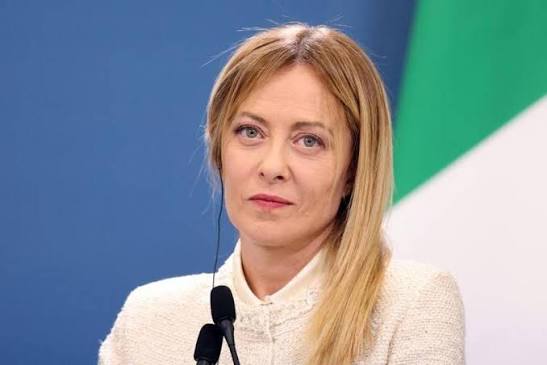
Prime Minister Giorgia Meloni’s right-wing government has limited scope for additional spending, constrained by European Union deficit rules and rising energy costs that are weighing on Italy’s sluggish economy and pushed inflation to 5.6 percent in October.
With a general election due next year, the government is also contending with street protests over the rising cost of living. Some of these demonstrations have turned violent and have been driven in part by students calling for greater investment in schools and universities.