 11

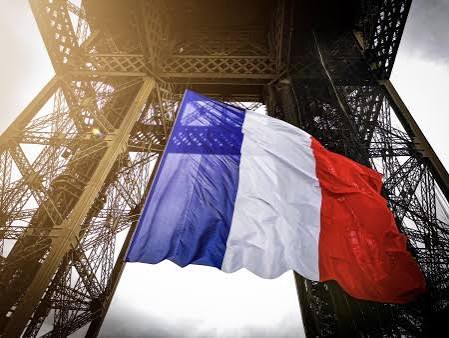
PARIS: Pope Leo XIV’s four-day visit to France is highlighting the country’s distinctive model of secularism, known as laïcité, as large public gatherings and an open-air Mass are planned during his September 25-28 visit.
France’s Constitution defines the country as an “indivisible, secular, democratic and social Republic.” Its secular system guarantees freedom of belief and worship while requiring the state to maintain neutrality toward religions. The framework is largely based on the 1905 law separating church and state.
During his visit, Pope Leo is scheduled to meet French President Emmanuel Macron at the Élysée Palace. The meeting is taking place in the Pope’s capacity as head of Vatican City and is expected to address bilateral relations and broader international issues.
The Pope will also participate in an open-air Mass at Place de la Concorde and along the Champs-Élysées, an area normally associated with major state occasions, including Bastille Day celebrations and foreign visits. Organizers expect large crowds to attend the religious event.
The visit is also expected to underscore the Catholic Church’s position on human dignity and the protection of life. Pope Leo will travel to Lourdes, a major Catholic pilgrimage site, where his itinerary includes meetings with survivors of clergy sexual abuse.
The Pope is also scheduled to visit UNESCO in Paris, where he will address issues involving artificial intelligence, education and culture, before travelling to Metz for discussions focusing on peace and Europe.
France’s secular framework has also shaped regulations concerning religious symbols in public schools and other institutions. A 2004 law prohibits conspicuous religious symbols in public schools, while rules governing religious expression in sports vary according to the circumstances and governing bodies.
Pope Leo’s visit therefore brings together religious, diplomatic and social issues, while placing France’s constitutional commitment to secularism and freedom of religion in focus.