 111
111 2
2 3
3
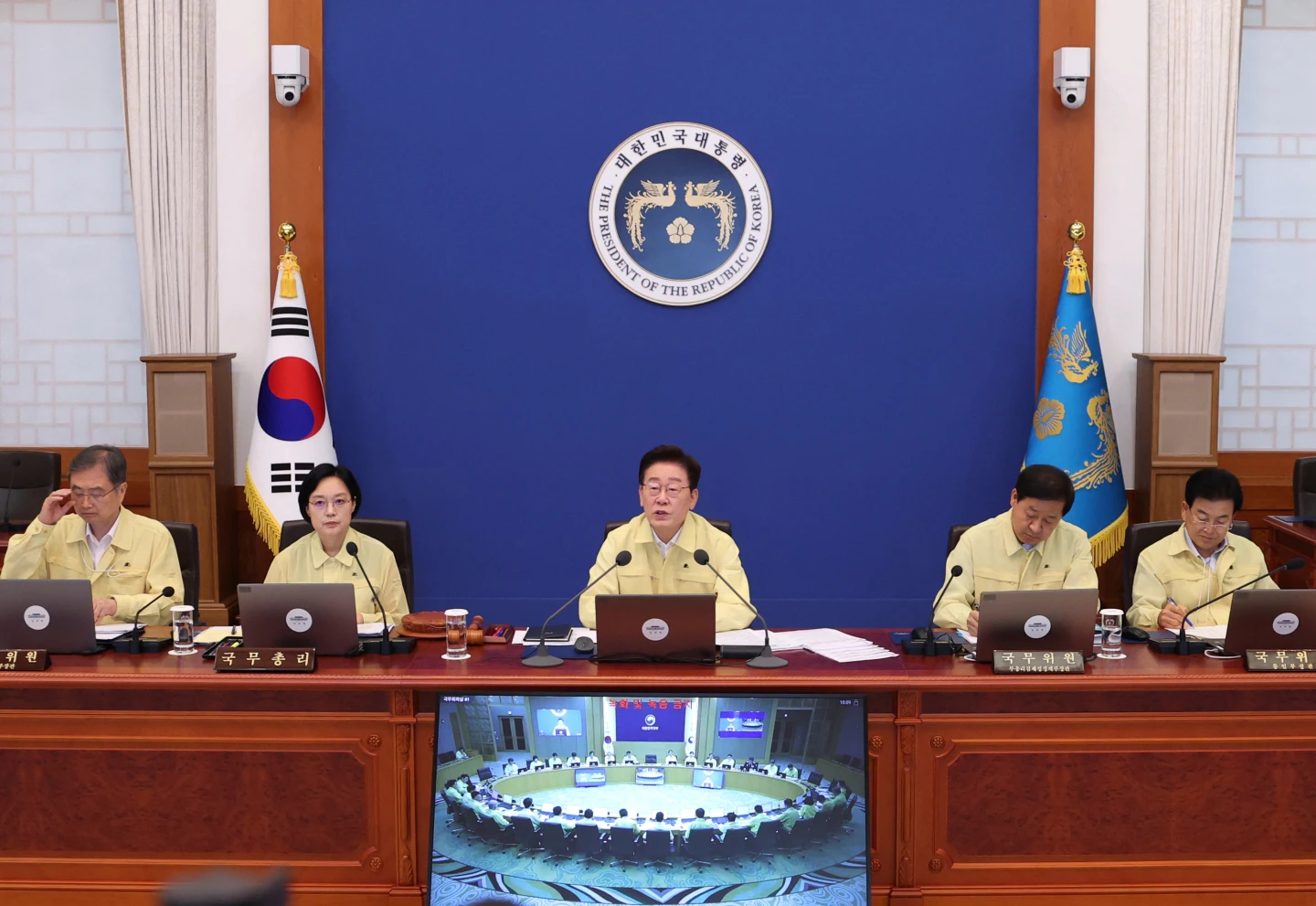
SEOUL: South Korean President Lee Jae Myung has called for the establishment of mechanisms to manage tensions with North Korea, urging renewed dialogue and measures to prevent military confrontations from escalating.
In a speech marking the anniversary of Korea’s liberation from Japanese colonial rule, Lee said South Korea should pursue peaceful coexistence with North Korea and work toward establishing a lasting peace regime on the Korean Peninsula.
Lee called for dialogue aimed at replacing the armistice agreement that has remained in place since the 1950-53 Korean War with a formal peace arrangement. He also indicated that discussions could address North Korea’s nuclear programme as part of broader efforts to reduce tensions and promote stability.
The South Korean president has previously advocated a policy of engagement with Pyongyang, while emphasizing the need for practical measures to prevent accidental clashes and manage military tensions along the heavily fortified border.
Inter-Korean relations, however, remain strained. North Korean leader Kim Jong Un has rejected Seoul’s reunification initiatives and has increasingly described South Korea as a hostile state. Pyongyang has also criticized South Korea’s military cooperation with the United States and opposed Seoul’s plans to strengthen its defence capabilities.
The latest initiative comes ahead of the annual Ulchi Freedom Shield military exercises involving South Korea and the United States, scheduled for August 17-27. North Korea has condemned the drills as provocative and has warned that it will strengthen its nuclear deterrence in response.
Lee also expressed support for improving South Korea’s relations with Japan, saying Seoul should look beyond historical grievances and seek to build decades of peace and prosperity with its neighbouring country.
The South Korean government has stressed that dialogue, tension management and peaceful coexistence are essential to preventing renewed conflict and creating conditions for long-term stability on the Korean Peninsula.