 11
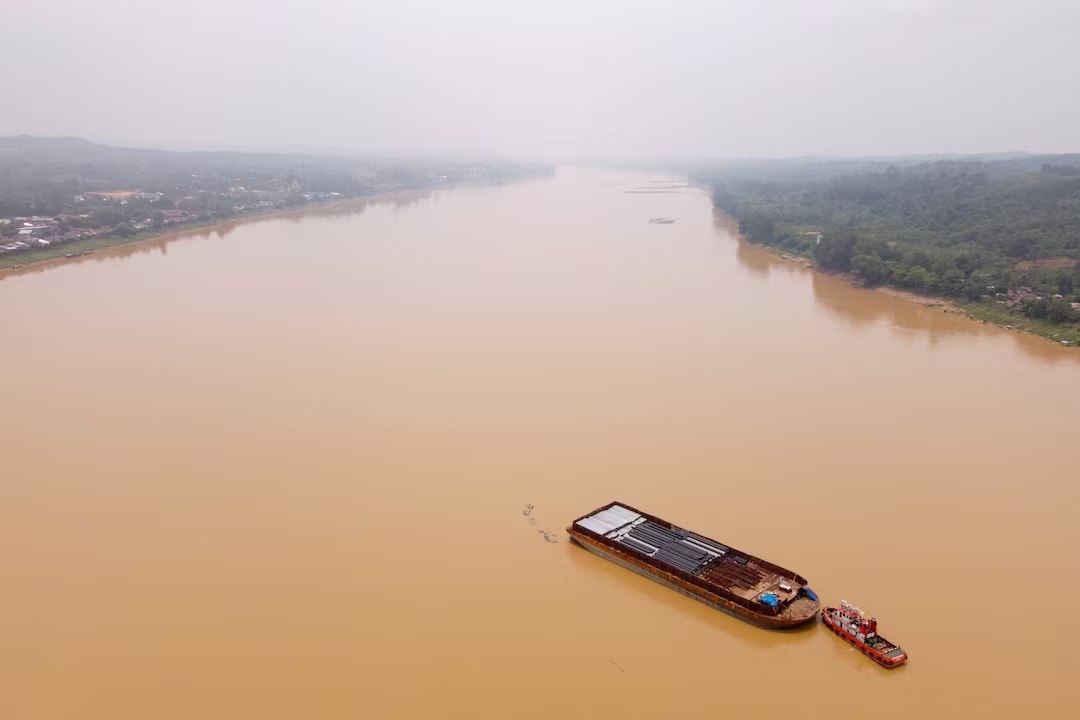
SANGGAU/JAKARTA – A prolonged drought fuelled by “super El Niño” conditions has left thousands of smallholder palm oil farmers in Indonesia’s West Kalimantan province unable to sell their harvests, as receding water levels on the Kapuas River choke the region’s main route for moving palm oil to market.
The Kapuas, Indonesia’s longest river at 1,143 kilometres, carries around 40 percent of West Kalimantan’s palm oil output, according to the Indonesian Palm Oil Association (GAPKI). Its water level has fallen sharply for roughly two months, exposing sandbanks that have caused several barges and tugboats to run aground. With processed oil unable to leave by river, mills across the area have filled their storage tanks and cut back sharply on purchases of fresh fruit bunches from farmers.
Aris Supratman, head of GAPKI’s West Kalimantan office, said 13 of the province’s 50 palm oil mills had been affected, representing about half of local processing capacity. At the Multi Prima Entakai mill in Sanggau, manager Dian Kurniawan said fruit purchases fell to 10,000 tonnes in September from 30,000 tonnes in July, while crude palm oil stocks had reached 8,200 tonnes by October 1, close to the facility’s 8,500-tonne storage limit. Millers note that trucking offers only a partial alternative, as lorries carry far smaller loads than barges and are in short supply.
The impact on growers has been severe. Supendi, a 33-year-old farmer, spent four days at the Sanggau mill in early October trying to deliver seven tonnes of fruit from his own and neighbouring plots before being told the site was full. “Now we’re at a loss as to how to sell it,” he said.
Indra Rustandi, who leads the West Kalimantan branch of the smallholder association APKASINDO, said the loss of income was making it difficult for farmers to maintain their plantations, with some reducing fertiliser use by as much as 70 percent to save money. He added that some growers who had gone two months without a harvest were turning to side income, such as selling homemade cakes and doughnuts.
West Kalimantan produces about 11 percent of the palm oil of Indonesia, the world’s largest producer. Analysts estimate that fourth-quarter output across Indonesian Borneo could decline by 12 to 15 percent as a result of the disruptions, while GAPKI has lowered its 2026 national production forecast by 2.9 percent as dry weather slows fruit ripening.
El Niño, triggered by warming Pacific waters off South America, typically brings hot and dry conditions to Southeast Asia. This year’s unusually strong episode has dried rivers and wells across Indonesia and intensified forest fires in Borneo and Sumatra, sending haze across the region as far as Malaysia and Singapore. Local farmers said similar droughts during the El Niño events of 2015 and 2018 lasted only about a month.
Relief may still be some weeks away. Indonesia’s weather agency expects the rainy season, which normally begins in October, to be delayed until November, prolonging both the river’s low levels and the country’s most intense wildfire season in 11 years.